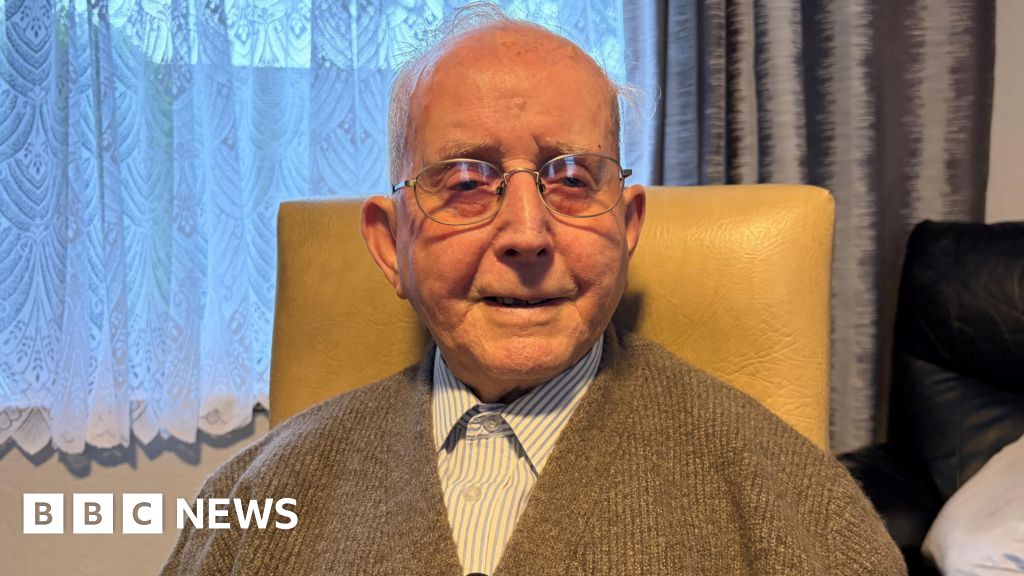
"From serving as the Republic of Ireland's kitman at two World Cups and a European Championship, to refereeing behind the Iron Curtain, the Dubliner has an almost legendary status. What is not as well known is his involvement in founding the "street leagues", which helped hone the skills of some of the best players in the history of both the Republic and Northern Ireland. Now his story is the focus of a new film which will premiere at the Dublin International Film Festival on Tuesday."
"Charlie suggested to the local priest the idea of using the parish church's juvenile sodality - a religious group for young parishioners - as the basis for a football league. The sodality was organised on the basis of the local streets - and so the street leagues were born. "Schoolboy football hadn't been organised and there was nowhere for a young boy around 14 if he wanted to play football," Charlie said."
"So much so that by the 1950s the leagues had spread across Dublin and then to cities across the island, including Belfast. The leagues first took root in east Belfast, where people associated with the Harland and Wolff shipyard were among the first to compete. They began to feature young men who would go on to achieve sporting greatness. In the Republic they included Tony Dunne, who won the European Cup w"
Charlie O'Leary, aged 102, combined long service as the Republic of Ireland's kitman at two World Cups and a European Championship with refereeing abroad. He founded the street leagues in East Wall, Dublin, in 1945 by repurposing the parish church's juvenile sodality into a football competition organised by local streets. The leagues provided teenage boys with opportunities to play and represent their roads. By the 1950s the model spread across Dublin and to other cities on the island, including east Belfast, where workers from Harland and Wolff were early participants. The leagues produced future notable players.
Read at www.bbc.com
Unable to calculate read time
Collection
[
|
...
]