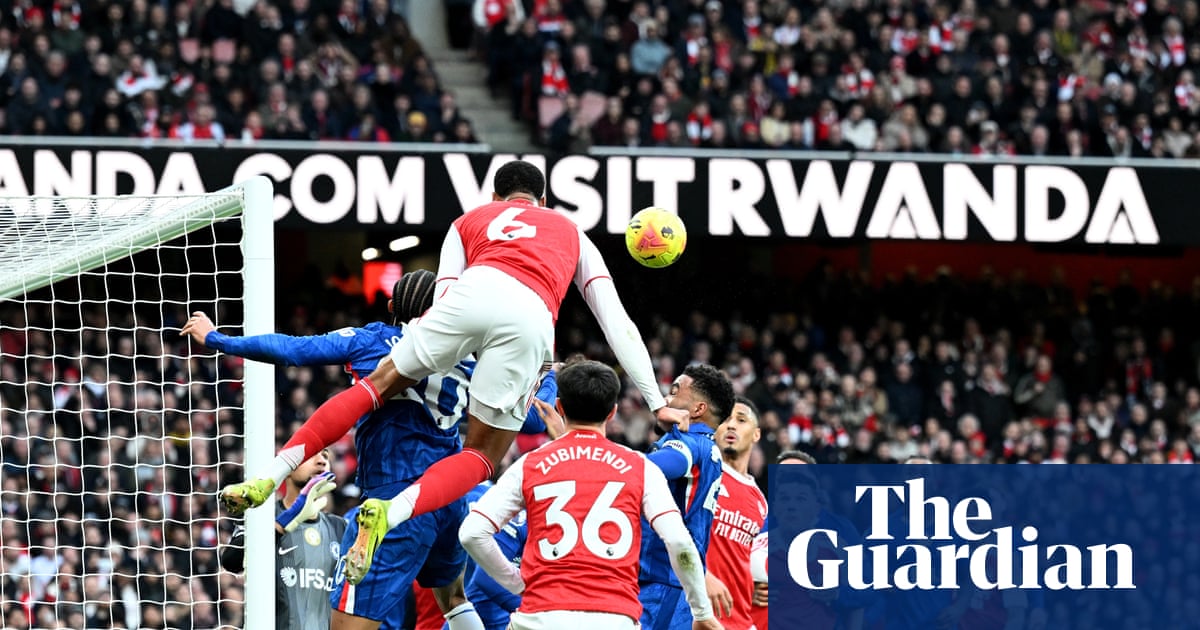
Referees face challenges enforcing holding offences in penalty areas as clubs increasingly load these zones during set pieces. The key distinction is identifying material impact—where a player is clearly prevented from playing the ball through non-footballing actions like shirt-pulling or shepherding with extended arms. Both defenders and attackers can commit holding offences. Mutual pushing and pulling between players often occurs without constituting a foul. Referees must assess whether contact materially affects play or represents acceptable physical contest. Player histrionics and crowded conditions complicate detection. Consistency in applying these standards across matches remains essential for fair enforcement.
"So, what are you looking for as a referee? It's what we call a material impact, where it's clear a player is stopping an opponent from playing the ball. It could be a non-footballing action, such as where you've got your back to the kicker, you've got two arms out and you're shepherding a player, which I liken to basketball, or where you get a hold of a shirt and you're not letting go."
"Attackers can sometimes be as culpable as defenders because they want to make space and create space for themselves. There are also situations where there is pushing and pulling, but at a level where it's not an offence, and remember the ball has to be in play for a defensive foul or penalty to be given."
"Sometimes they are both having a little push and a pull; they call it mutual holding and the best outcome there, in my opinion, is to allow play to continue. It comes down to how the game feels about what we're seeing."
Read at www.theguardian.com
Unable to calculate read time
Collection
[
|
...
]