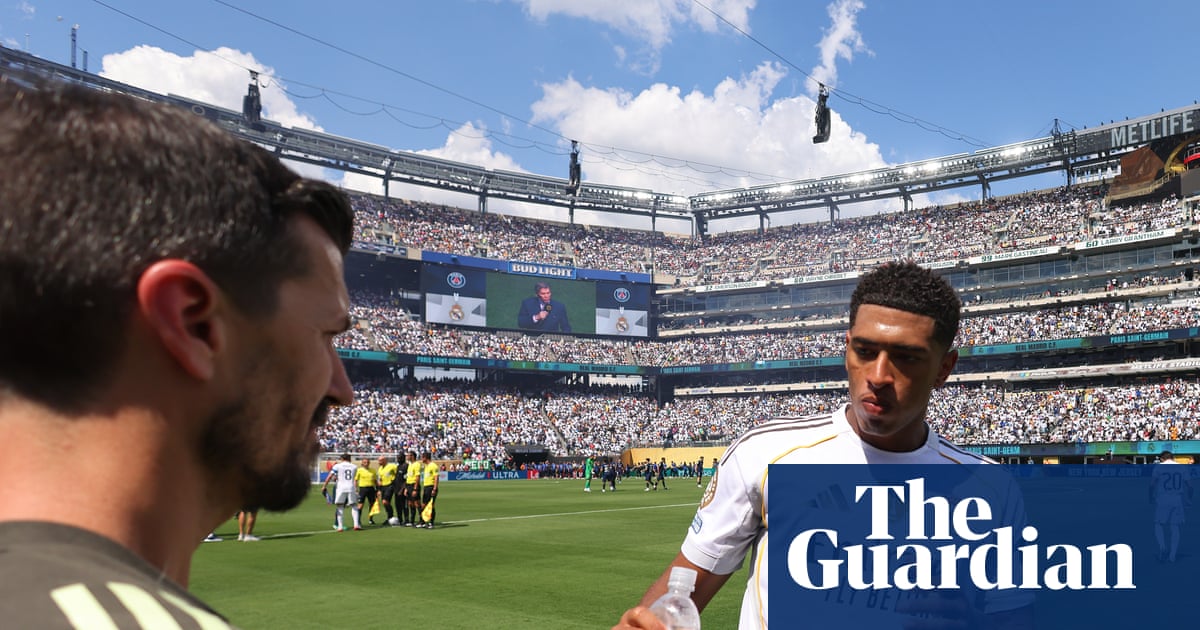
"A two-minutes-and-10-second commercial break will be permitted if TV companies opt to cut away from the on-field action although they can also choose to stay stick with the live pictures or adopt a hybrid approach using a split screen. ITV may resist the temptation to sell full commercial breaks in favour of continuing the so-called pic-in-pic advertising it utilised for the first time during this year's Six Nations Championship."
"In-picture adverts are seen as less disruptive and enable commentary teams to continue their analysis of the match, as well as picking up details of any tactical instructions relayed by coaching staff to players during the break."
"The World Cup will be the first major tournament to stop all matches midway through each half for three minutes, although hydration breaks were used at last summer's Club World Cup when the in-stadium temperature exceeded 32 degrees. Fifa announced in December that it would introduce the break in each of the 104 World Cup matches as a player welfare measure, but it will also bring significant commercial benefits."
ITV is negotiating with commercial partners about advertising during mandatory three-minute hydration breaks scheduled for every World Cup match after 22 minutes of each half. FIFA permits a two-minute-10-second commercial break if broadcasters cut away from live action, though they can maintain live coverage or use split-screen formats. ITV may favor picture-in-picture advertising, a technique successfully used during Six Nations coverage, over full commercial breaks. This approach keeps commentary and tactical analysis visible while displaying ads, reducing viewer disruption. The BBC, ITV's co-rights holder, faces no advertising pressure. The World Cup marks the first major tournament implementing mandatory mid-half stoppages, though hydration breaks were previously used at the Club World Cup when temperatures exceeded 32 degrees.
Read at www.theguardian.com
Unable to calculate read time
Collection
[
|
...
]