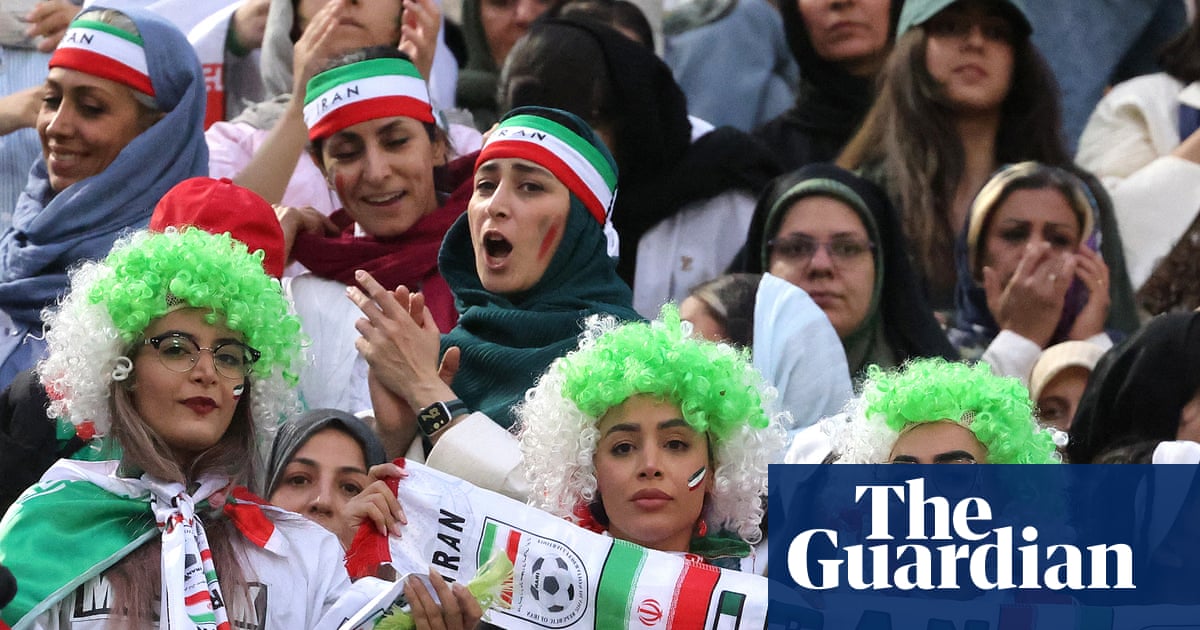
Ayatollah Ali Khamenei wielded significant influence over Iranian football despite reportedly not being a fan himself. He recognized football's capacity to mobilize masses and provoke political expression, using it as a tool of state control. Games were frequently played behind closed doors during tense periods. Players faced strict restrictions on public statements and political expression. Notable instances include the 1998 World Cup qualification victory, where players were prevented from immediate homecoming celebrations, and the 2010 World Cup qualifier when players wore green armbands supporting opposition candidates. During the 2022 World Cup, players refused to sing the national anthem in protest. Khamenei's successor, Mahmoud Ahmadinejad, took a more direct interest in the team, attending training sessions and providing resources.
"When times were tense, games were played behind closed doors. The heroes of Melbourne, who came from behind to win a playoff in Australia to qualify for the 1998 World Cup, were told not to come straight home to Tehran as the city celebrated. At that tournament there was more public joy after the famous 2-1 win against USA but Khamenei's statement was not the most sporting."
"Throughout the Ayatollah's time, players heroes to millions had to be careful what they said. Vital games have taken place amid protests at home, such as the 2010 World Cup qualifier in Seoul when several players donned green armbands, the colour of the opposition candidate in a presidential election many thought was rigged."
"But like many dictators he understood and was wary of the power of the country's most popular sport, and the passions it provoked, especially when thousands of people came together. When times were tense, games were played behind closed doors."
#iranian-football-politics #khameneis-control #sports-censorship #political-protest-in-sports #world-cup-history
Read at www.theguardian.com
Unable to calculate read time
Collection
[
|
...
]