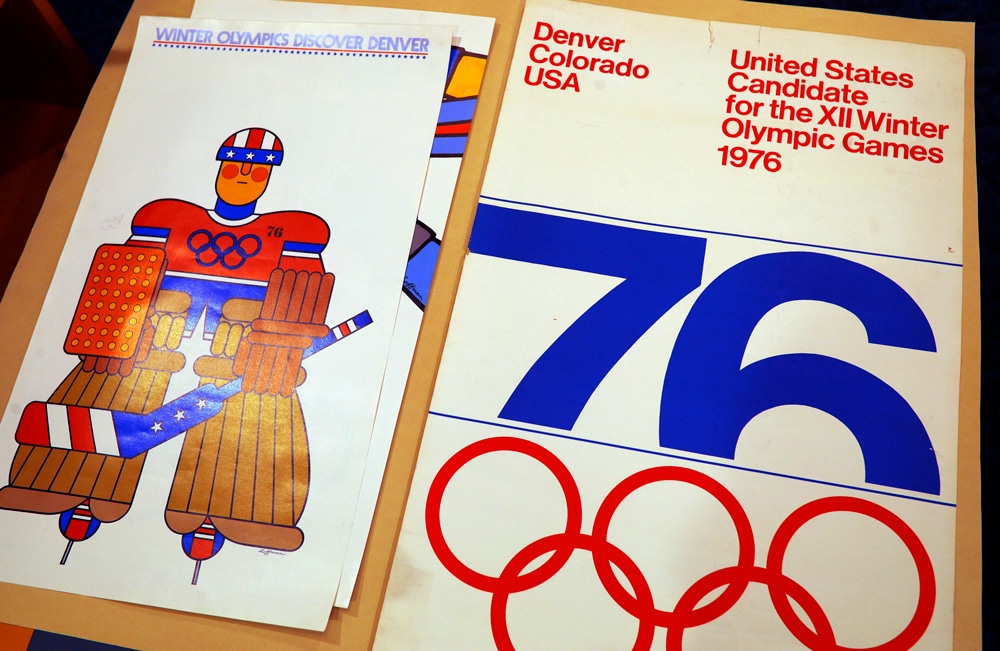
"The decision initially gained support from Colorado business leaders, Governor John Love, and even the Nixon White House. However, it wasn't long before public opposition emerged. Led by State Representative Richard Lamm and the group Citizens for Colorado's Future, they argued that hosting the Olympics would place an unnecessary financial burden on taxpayers and the environment. The Denver Olympic Organizing Committee and its inability to manage the growing costs led to a significant loss of public confidence."
"As the estimated costs for the event began to rise from the initial $15 million estimate to a projected $35 million, the public showed concerns early in 1972. The Citizens for Colorado's Future also showed concern about the logistics of the initial plan. The biggest logistical roadblock was the city limits being about 50 miles from the nearest skiing terrain. This posed an enormous challenge for transporting athletes and spectators from Denver to any location with suitable terrain."
Denver, situated at the foot of the Rocky Mountains with an international airport and interstate access to ski areas, initially appeared well suited to host the Winter Olympics. The city submitted a bid and was awarded the 1976 Games, but later withdrew. Early political and business leaders supported the effort, yet organized public opposition led by State Representative Richard Lamm and Citizens for Colorado's Future highlighted taxpayer and environmental risks. Event cost estimates rose sharply from $15 million to a projected $35 million, and logistical issues—most notably a roughly 50-mile gap to skiing terrain—created major transport challenges and eroded public confidence.
Read at SnowBrains
Unable to calculate read time
Collection
[
|
...
]