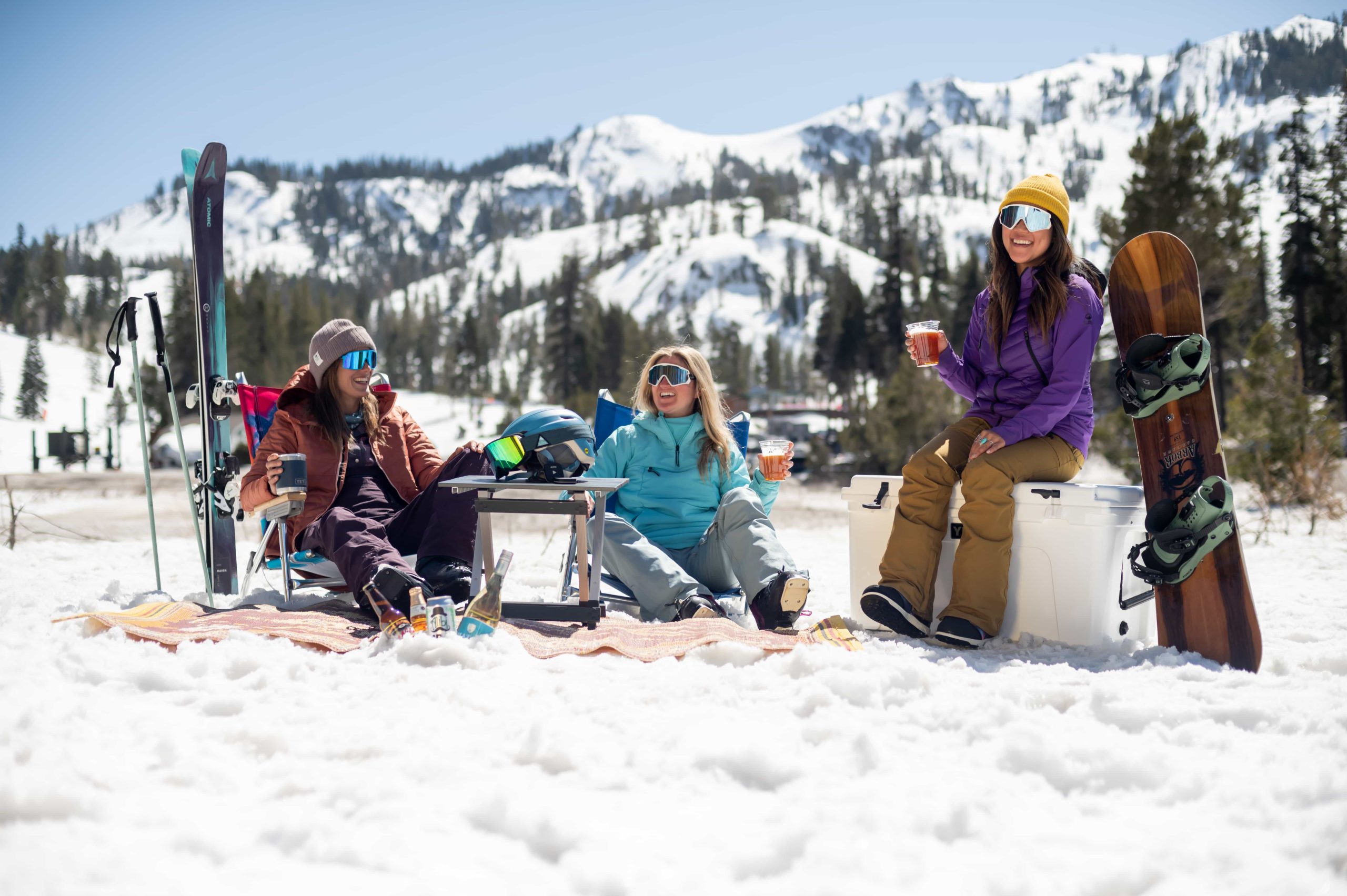
"Costs, skier visits, staffing, and summer activities affect resorts' spring closing. The costs of operating snowmaking and snowmaking equipment, as well as manpower, often influence a ski resort's decision to close for the season. Another factor is that the number of skier visits decreases in spring. Many skiers and snowboarders switch gears in the spring and start doing other activities besides hitting the slopes."
"Staffing is also an issue, with many seasonal employees leaving in the spring. Unfortunately, the resort can't remain open without employees to run the mountain. Lastly, many mountains throughout the country are four-season resorts. That means the resorts must prepare for summer activities and shut down winter operations."
"Ski resorts like Palisades Tahoe, Mammoth, and Alta are known for staying open late into the season. Spring skiing brings out the die-hards, and many skiers and snowboarders look forward to hitting the slopes in shorts and a T-shirt. There is a different atmosphere and vibe in the mountains compared to winter skiing."
Ski resorts typically operate from December through April or May, with most considering reaching late spring a successful season. However, some resorts close despite maintaining good snowpack, puzzling winter enthusiasts. Multiple factors drive these closures: high operational costs for snowmaking equipment and personnel, significantly reduced skier visits in spring as visitors pursue alternative activities, seasonal employee departures, and the need to prepare for summer operations at four-season resorts. Notable exceptions like Palisades Tahoe, Mammoth, and Alta extend their seasons to capture spring skiing enthusiasts who enjoy the unique atmosphere of warm-weather mountain conditions.
#ski-resort-operations #spring-season-closures #snowpack-management #seasonal-employment #four-season-resorts
Read at SnowBrains
Unable to calculate read time
Collection
[
|
...
]