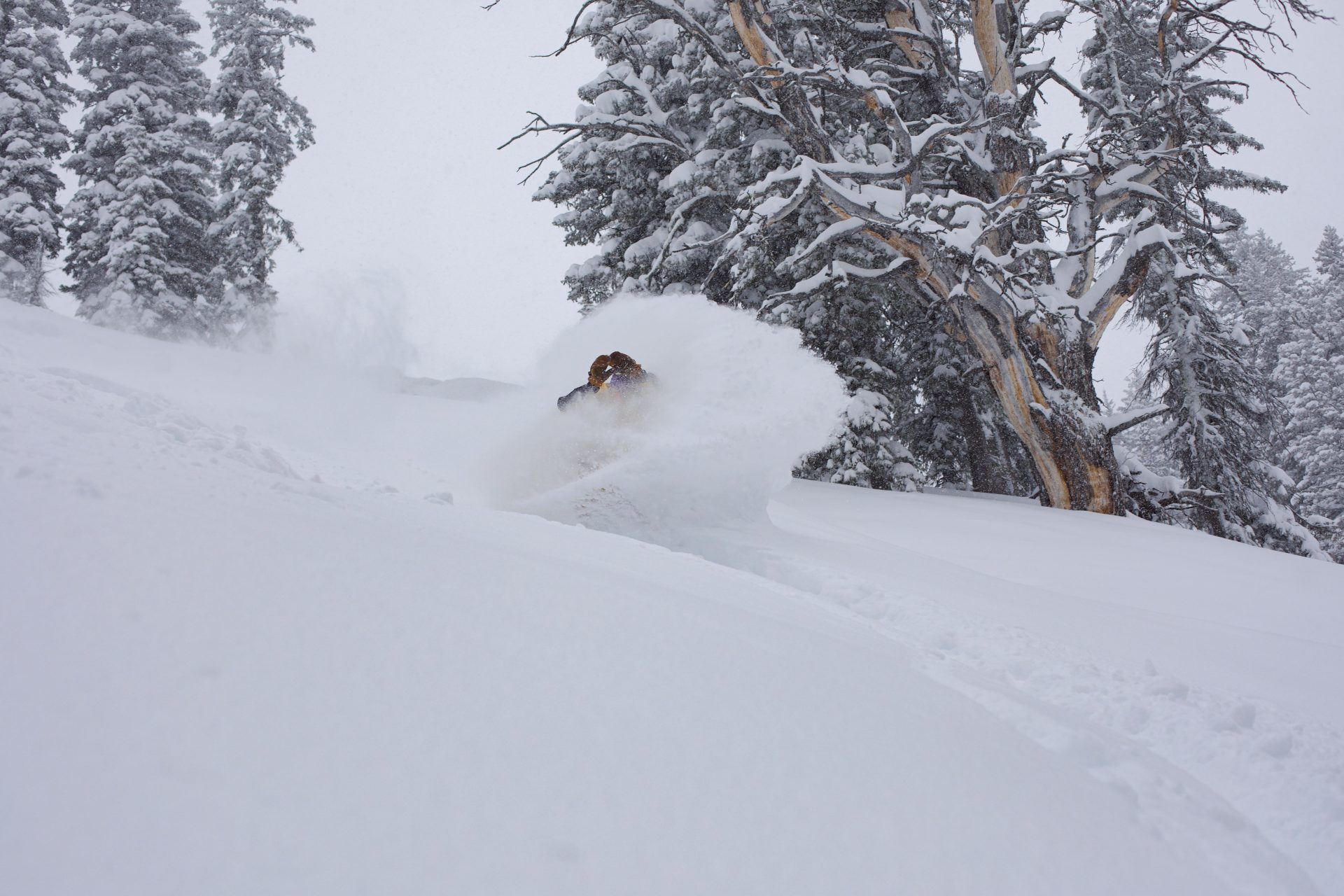
Winter backcountry travel offers fresh snow, quiet mountains, and untracked lines but demands real responsibility. Essential equipment includes an avalanche beacon, shovel, probe, and basic repair tools. Gear failures happen more often than people expect, so proper equipment provides options when things go wrong. Beginners should favor slopes between 25 and 30 degrees to reduce avalanche likelihood while still enjoying powder turns. Touring with partners enables shared decision making, additional observation, and assistance during emergencies. Respect for the mountains preserves access and safety; treat the environment with care so it remains wild and pristine for everyone.
"One of the most important foundations of backcountry travel is having the right gear. Heading out unprepared is not an option. Essential equipment includes an avalanche beacon, shovel, probe, and basic repair tools. Gear failures happen more often than people expect. I've personally had days where something broke deep in the backcountry, and I had to improvise to make it back down safely."
"Equally important is terrain choice, especially when you're starting. It's easy to assume that if you can ski expert terrain inbounds, you're ready for similar lines in the backcountry. Unfortunately, that mindset can lead to serious consequences. A smart place to begin is on slopes between 25 and 30 degrees. Terrain in this range significantly reduces the likelihood of triggering avalanches while still offering some of the most enjoyable powder turns you'll find."
"Another key factor is not going alone. Touring with partners isn't just more enjoyable, it's far safer. Having someone with you means shared decision making, an extra set of eyes, and help if something goes wrong. In the backcountry, teamwork can be lifesaving. Finally, remember why you're out there in the first place. Have fun, but respect the mountains. Backcountry access is a privilege, and we're guests in a powerful, unpredictable environment. Treat it with care so it remains wild and pristine for everyone."
Read at SnowBrains
Unable to calculate read time
Collection
[
|
...
]