"High altitudes have lower air pressure, resulting in fewer gas molecules, which means that there is less nitrogen, carbon dioxide, and oxygen at altitude. This results in lower oxygen levels in the air we breathe, low humidity of around 14-20%, and less ozone, which in turn results in UV radiation levels that are three times higher than at sea level."
"In winter the reflection from snow increases harmful UV rays by up to 90% compared to a mere 9%-17% from grass-covered grounds. This is referred to as the albedo effect. The reflection from the snow also poses another problem as the reflected UV rays can lead to severe sunburn in areas not usually exposed to the sun, such as the inside of the ear or the nose."
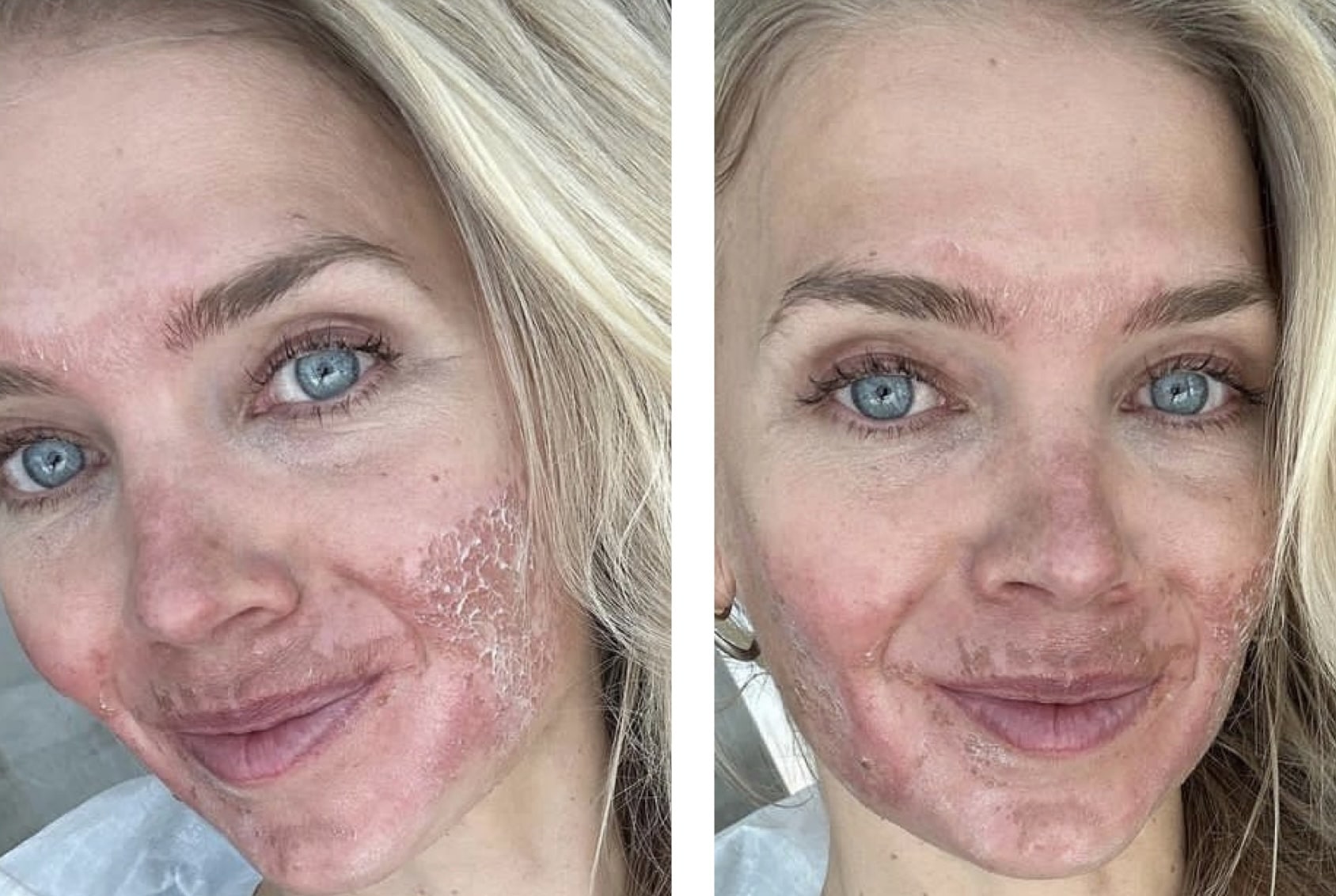
"The skin on your body has a surface area of 1.7 square meters and is the most exposed organ to environmental conditions. What is often less obvious, however, are the effects of high altitude on your skin. These are often slower to manifest but can have long-lasting effects."
Alpine environments present multiple physiological challenges for humans, including reduced oxygen levels, low humidity (14-20%), extreme cold, and high winds. Most significantly, UV radiation at altitude is three times higher than at sea level, intensified further by snow reflection through the albedo effect, which increases harmful UV exposure by up to 90% in winter. The skin, covering 1.7 square meters, is the body's largest sensory organ and most exposed to these environmental stressors. While lower oxygen causes immediate effects like breathlessness and altitude sickness, skin damage develops more slowly but produces long-lasting consequences. UV-B radiation causes more serious skin damage than UV-A, and reflected UV rays can cause severe sunburn in typically unexposed areas like ear interiors and noses.
#alpine-environment-hazards #uv-radiation-exposure #skin-damage-at-altitude #albedo-effect #high-altitude-physiology
Read at SnowBrains
Unable to calculate read time
Collection
[
|
...
]