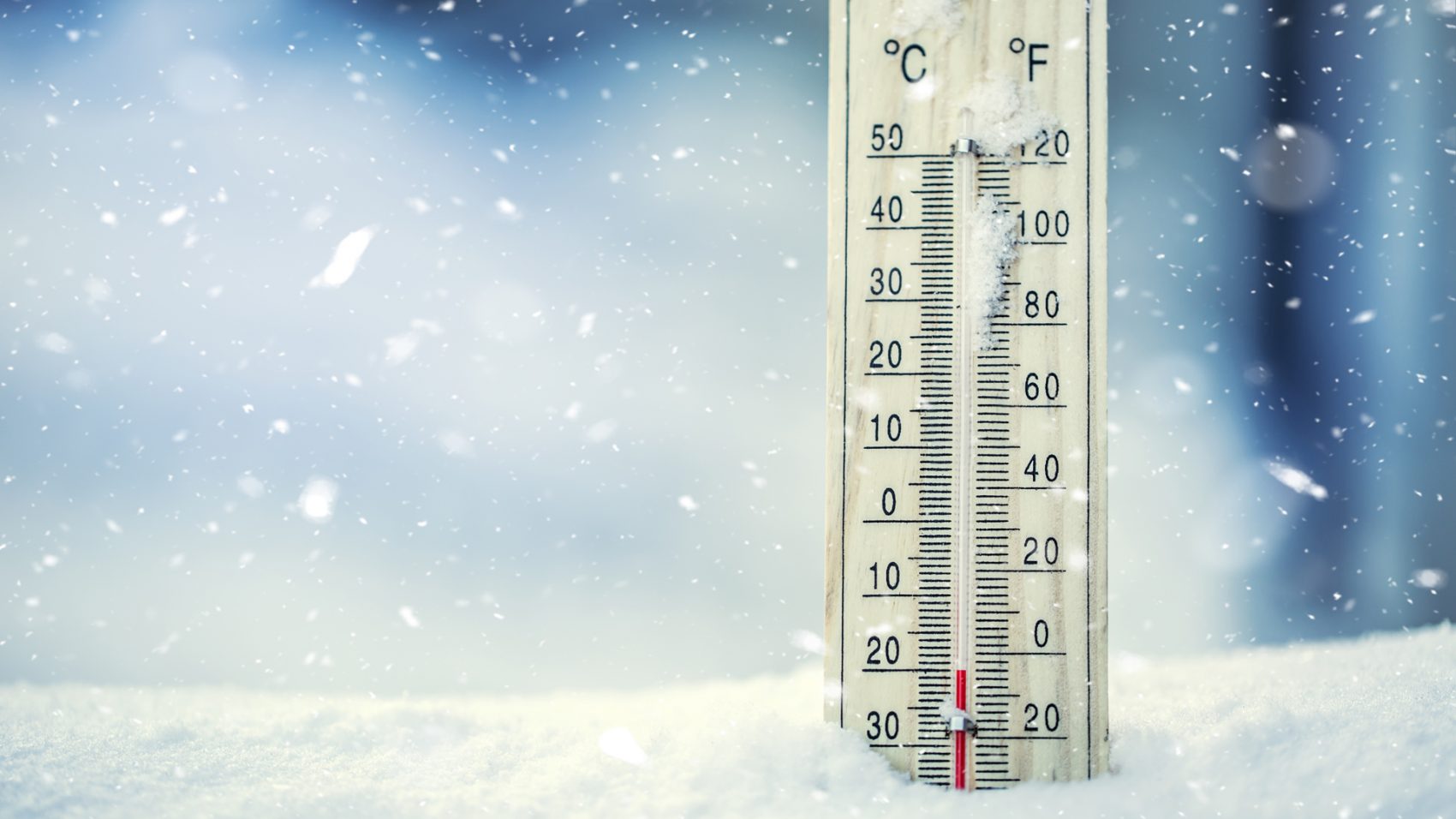
"Cold does not stop snow. Dry air does. The colder it gets, the harder the atmosphere has to work to produce meaningful snowfall. Snow can fall at extremely low temperatures when the ingredients line up. The atmosphere only needs three basics: moisture, lift, and air cold enough for ice crystals to survive to the ground. If a storm can deliver water vapor and force air upward, snow can happen well below zero."
"The real reason this myth survives is that cold air has a much smaller moisture capacity than warmer air. A storm moving through at 28°F can carry a lot more water vapor than one moving through at -10°F. That warmer cold air can build fat dendrites, stack flakes quickly, and produce deep, dense totals. Bitter cold air can still generate snow crystals, but it often works with a thinner moisture budget."
"That's why many of the biggest mountain snowfalls happen in the sweet spot between roughly 10°F and 30°F. Temperatures in that range keep precipitation all snow while still allowing the atmosphere to hold enough moisture for serious accumulation. Skiers know the difference immediately. A storm near freezing can plaster trees, load the snowpack, and bury tracks fast."
Cold temperatures do not stop snow formation; dry air does. Snow can fall far below freezing when moisture, lift, and sufficiently cold air align so ice crystals survive to the ground. Regions such as the Arctic and Antarctica can receive snow in extreme cold, though the flakes are often light and low-density unless storms supply strong moisture. Cold air holds less water vapor than warmer air, so storms at higher temperatures can carry more moisture and produce larger, denser flakes and greater totals. The strongest mountain snowfalls often occur between about 10°F and 30°F, where precipitation stays snow while the atmosphere can still hold enough moisture for accumulation.
#snowfall-physics #atmospheric-moisture #temperature-and-precipitation #mountain-weather #ice-crystal-formation
Read at SnowBrains
Unable to calculate read time
Collection
[
|
...
]