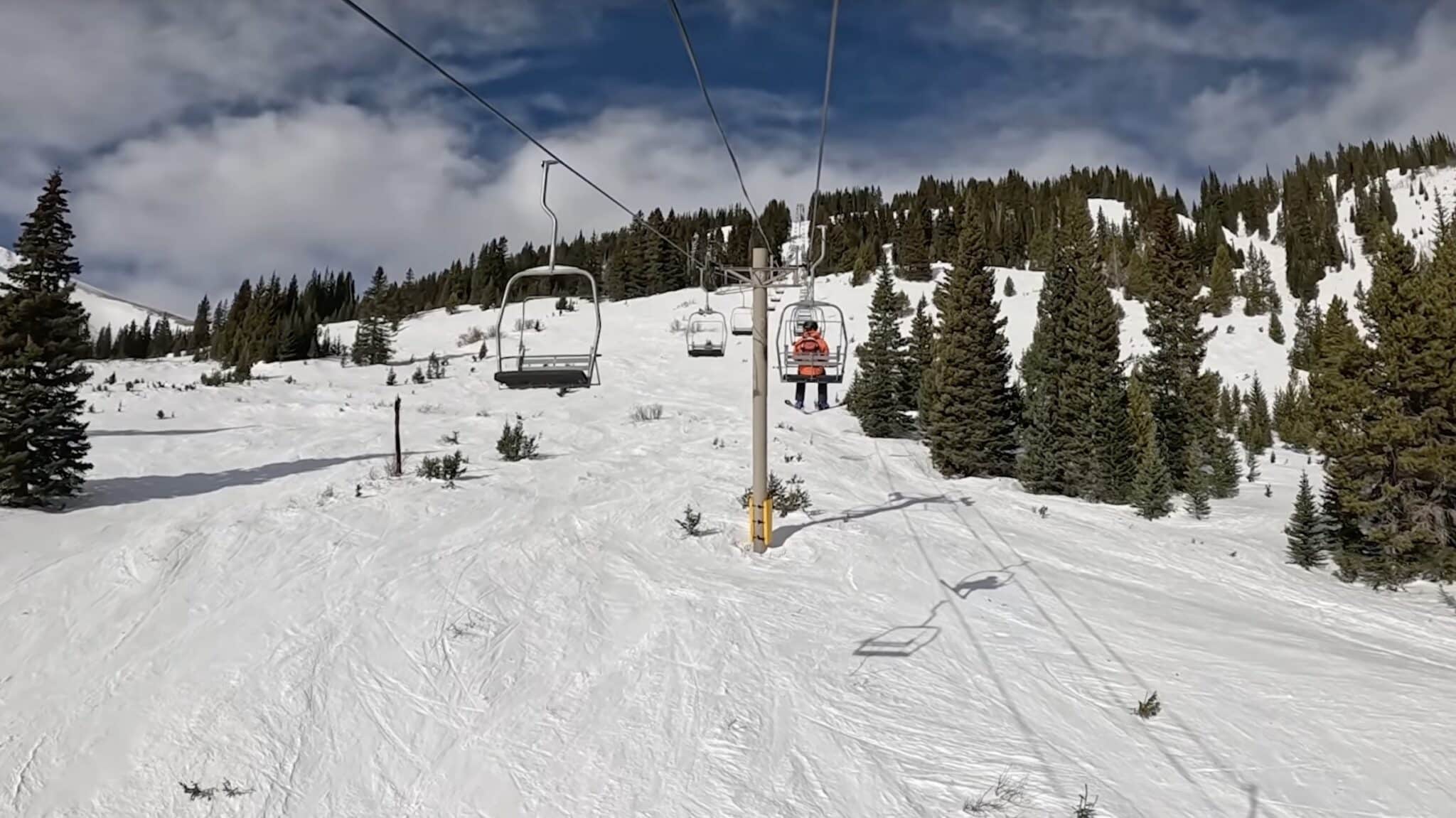
Late season skiing, typically beginning in mid-March when storm frequency decreases, provides unexpected advantages for skiers and snowboarders. Western resorts often experience their deepest snowpack in late season, with peaks occurring in April at locations like Loveland, Snowbird, and Sugar Bowl, resulting in more skiable terrain and fewer exposed rocks. Snow quality varies significantly due to freeze-thaw cycles, producing icy morning conditions and excellent afternoon corn snow. Spring skiing requires strategic terrain selection based on solar aspect and elevation, as south-facing slopes soften earliest while north-facing terrain maintains better conditions throughout the day. Many resorts remain open into June or July, creating a relaxed atmosphere with minimal lift lines and a celebratory vibe.
"One of the biggest surprises for many skiers is that the deepest snowpack of the year at western resorts often arrives in the late season. Loveland typically peaks in late April, Snowbird in mid-April, and Sugar Bowl in early April. That means fewer exposed rocks and more skiable terrain than you might expect."
"Snow quality tends to be the wildcard though. The freeze-thaw cycle can leave morning runs icy and bulletproof, while afternoons can produce excellent corn snow that many expert skiers rank just behind powder. Wetter snow with lower snow-to-liquid ratios is also more common in spring, making skiing feel heavier and more tiring than peak season."
"Terrain strategy matters more in spring than any other time of year. Solar aspect and elevation both play a big role in when and where conditions are at their best. South-facing slopes soften up earliest but can turn slushy by afternoon, while north-facing terrain and higher elevations tend to hold up better as the day goes on."
Read at Unofficial Networks
Unable to calculate read time
Collection
[
|
...
]