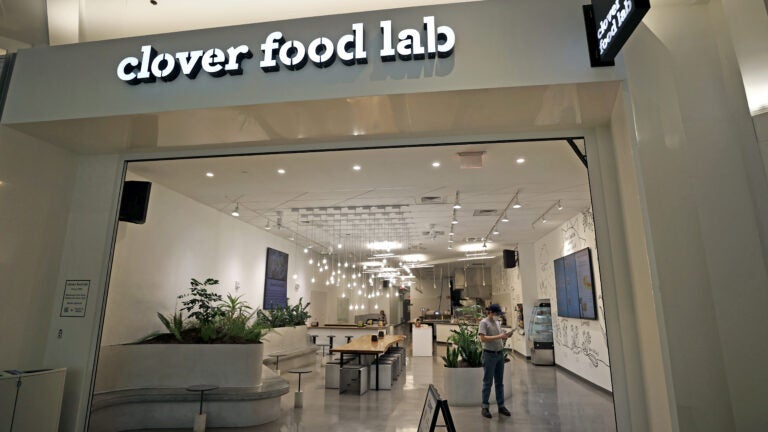
Clover Food Lab will shut down all 11 restaurants and end meal-box delivery on May 28. The company cited inflation, thin margins, and limited ability to raise prices as key reasons. It said ingredient costs rose 30–50% compared with two years earlier, while customers also faced higher food and delivery prices. Clover began in 2008 as a food truck outside MIT, using local farm ingredients, and later expanded into a fast-casual chain and regional meal-box delivery. In 2023 it filed for bankruptcy protection due to rising costs, slow sales, and difficulty raising capital. After emerging from bankruptcy, it still sought a new buyer and announced layoffs, but could not find an owner, leading to closure.
"Clover Food Lab announced Tuesday that it will close all 11 of its restaurants for good, citing inflation, thin margins, and the limited ability to raise prices. The final day of service for Clover's restaurants and meal-box delivery will be Thursday, May 28. "For 17 years, we have championed local farms and served tens of thousands across Greater Boston," the restaurant wrote in an email to its customers. "We're deeply saddened to share this news - for our employees, New England farmers, and you, our guests and supporters.""
"Clover first started as a food truck in 2008, stationed outside of MIT. It served food made with ingredients from local farmers, such as Brussels sprouts, Japanese sweet potato, and zucchini. Over the years, it morphed from a food truck into a fast-casual restaurant chain and a meal-box delivery service in the region. In 2023, Clover filed for bankruptcy protection, citing rising costs, slow sales, and difficulty raising capital from investors."
"At the end of March, Clover said that it was seeking a new buyer, following a filing of a state notice announcing plans to lay off 182 workers. The inability to find a new owner led the company to close its doors. "Today, everyone is getting hit with rising costs - food prices are up, delivery prices are up, and a hundred other costs are moving in the same direction," the company wrote. "Across the board, our ingredients cost 30-50% more today than they did just two years ago.""
"Although they raised prices somewhat, the company said it understands there is a limit, as its customers are also feeling the constraints. The veggie-forward chain also faced increased c"
#restaurant-closures #inflation-and-rising-costs #vegetarian-fast-casual #bankruptcy-and-restructuring #local-farm-sourcing
Read at Boston.com
Unable to calculate read time
Collection
[
|
...
]