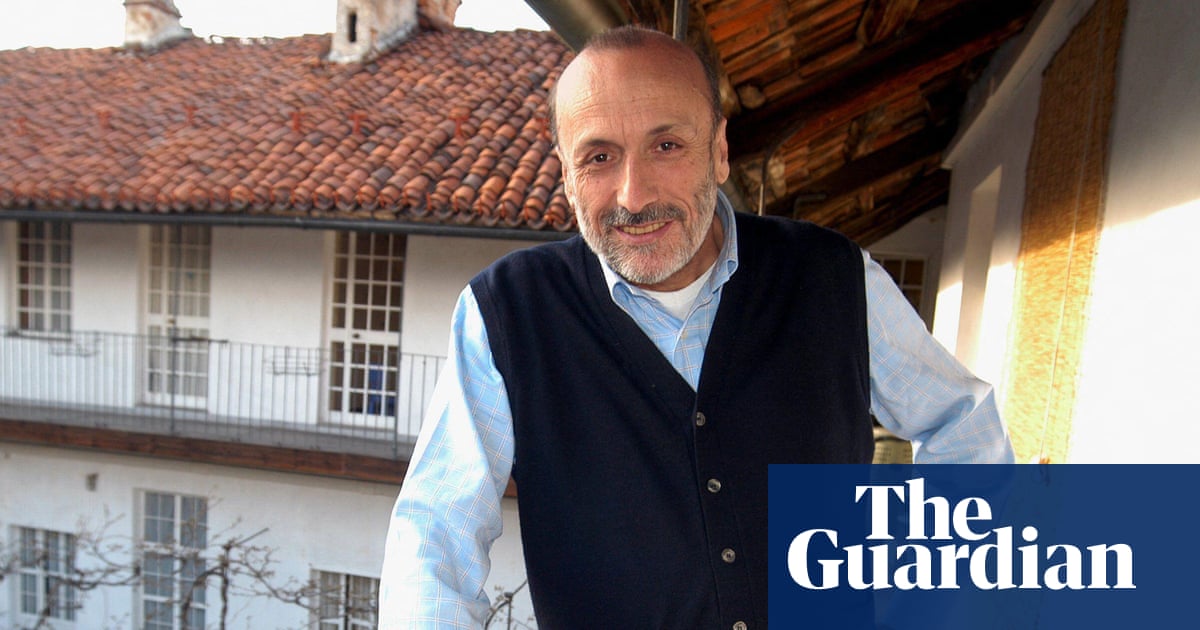
On 20 April 1986, Carlo Petrini helped cook and distribute spaghetti in Piazza di Spagna, responding to the opening of the biggest McDonald’s in the world near the site. The action reflected opposition to fast food’s profit-driven model and its impact on Italian culinary identity, local biodiversity, and everyday life rhythms. A few months later, during a dinner meeting in Treiso, the group developed a plan to counter the fast food invasion. Folco Portinari wrote a manifesto, while Petrini gathered signatures. Published on 3 November 1987 in Gambero Rosso, the manifesto named Slow Food and called for defending food pleasure, biodiversity, and local producers against global agri-food standardization. Convivia then formed across Italy, bringing together farmers, journalists, cooks, teachers, and students.
"On 20 April 1986, Carlo Petrini was part of a group who cooked and distributed spaghetti to passers-by in Piazza di Spagna in Rome. The huge pot of pasta was their response to the opening, the previous month, of the biggest McDonald's in the world just metres from where they stood. For Petrini and fellow members of Arcigola, a group dedicated to the pleasures of food and shared political ideals, the opening of McDonald's in the centre of Rome represented an attack on Italian culinary identity, local biodiversity and the natural rhythms of life: the spaghetti was a declaration of resistance."
"A few months laters, during a meeting over dinner at Osteria dell'Unione in Treiso, southern Piedmont, the group came up with the idea of trying to stem the fast food invasion, whose single value was profit. The essayist Folco Portinari, then head of the Rai TV company, wrote the text, while Petrini gathered signatures, and on 3 November 1987, a manifesto was published on the front page of Gambero Rosso, a supplement of the communist newspaper Il Manifesto."
"The manifesto began with the title A proposal aimed at all those who want to live better and then gave a name to what they saw as the way to achieve this: Slow Food. The words that followed were both simple and revolutionary: a call to defend the pleasure of food, food biodiversity and local producers against the standardisation of the global agri-food industry. The page was illustrated with a snail, a symbol of productive tranquillity, the manifesto signed by 13 writers, intellectuals and artists."
"Following its publication and the creation of Arcigola-Slow Food, local groups known as convivia began to emerge all over Italy. Marjorie Shaw, an early member of the Rome convivium that met in an insalubrious hall in San Lorenzo, remembers how farmers, journalists, cooks, teachers and students gathered around a table, animated by the sense that something culturally fragile was at stake. Petrini's Slow Food revolution had begun."
Read at www.theguardian.com
Unable to calculate read time
Collection
[
|
...
]