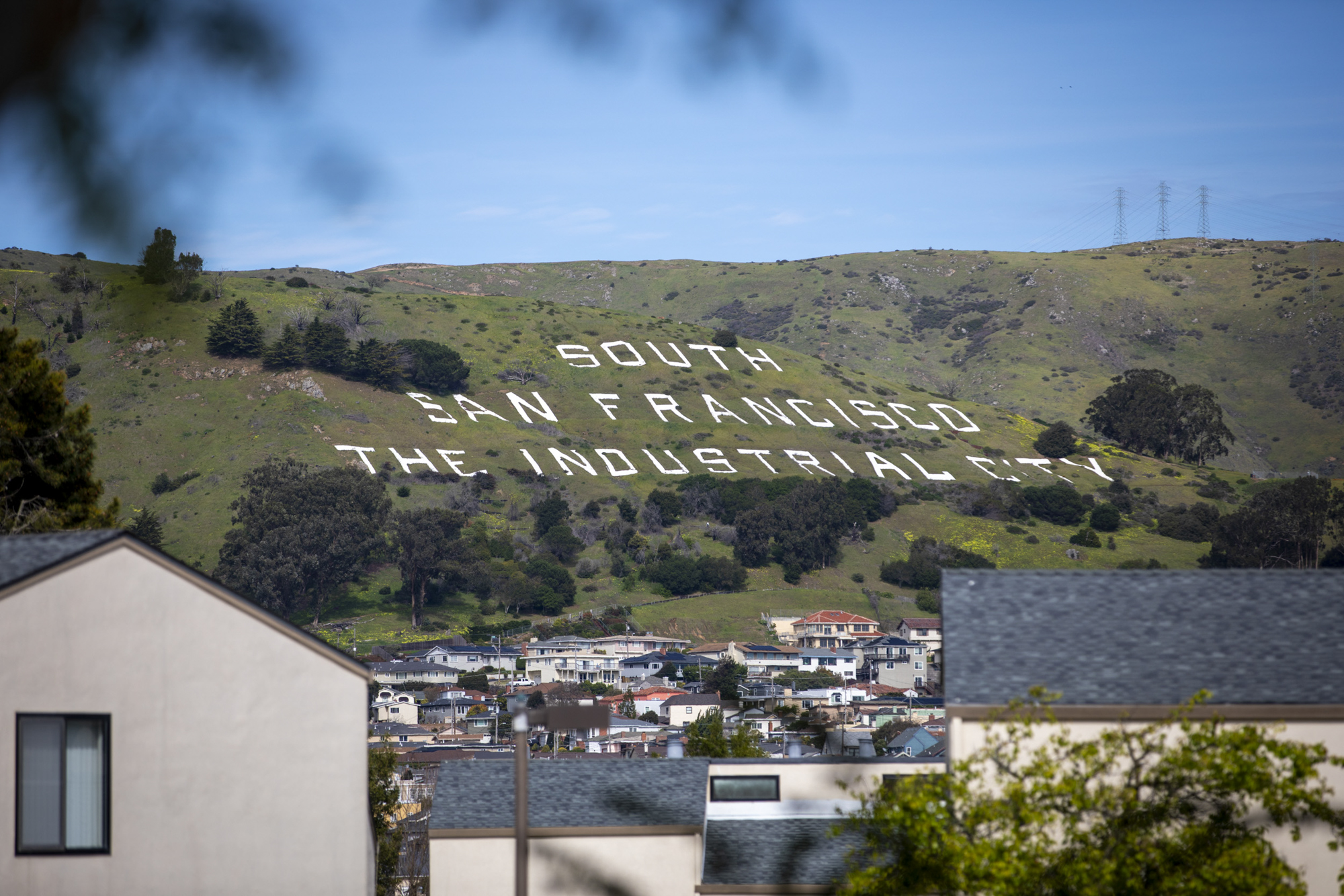
"It used to be meatpacking plants and steel foundries. Why did it become this hub of biotechnology? People move here from all around the world to work in that one industry."
"Biotechnology is a process. Scientists take a living cell, like yeast or bacteria, and program them to make medicine. They grow those cells in massive tanks - like a brewery - and harvest what the cells produce to make vaccines, antibiotics, and cancer treatments."
"When you drive down DNA way in South San Francisco it's a little like a science fiction set. Shuttle buses glide between glass towers. Doctoral students sip matcha with CEOs. Researchers slip in workouts between experiments. Every amenity is available inside a self-contained city."
South San Francisco, marked by hillside letters reading "The Industrial City," evolved from a mid-20th century industrial center featuring meatpacking plants, steel foundries, shipyards, and freight terminals into a global biotechnology hub. Today, the region hosts more than 250 biotech companies, including the pioneering Genentech. Biotechnology involves programming living cells like yeast or bacteria to produce medicines, growing them in massive tanks similar to breweries, and harvesting their products to create vaccines, antibiotics, and cancer treatments. The transformation attracted scientists and workers from around the world, with entire graduating classes pursuing biotech careers in the area, making it a self-contained ecosystem of research, innovation, and amenities.
#biotechnology-industry #south-san-francisco #industrial-transformation #economic-development #scientific-innovation
Read at Kqed
Unable to calculate read time
Collection
[
|
...
]