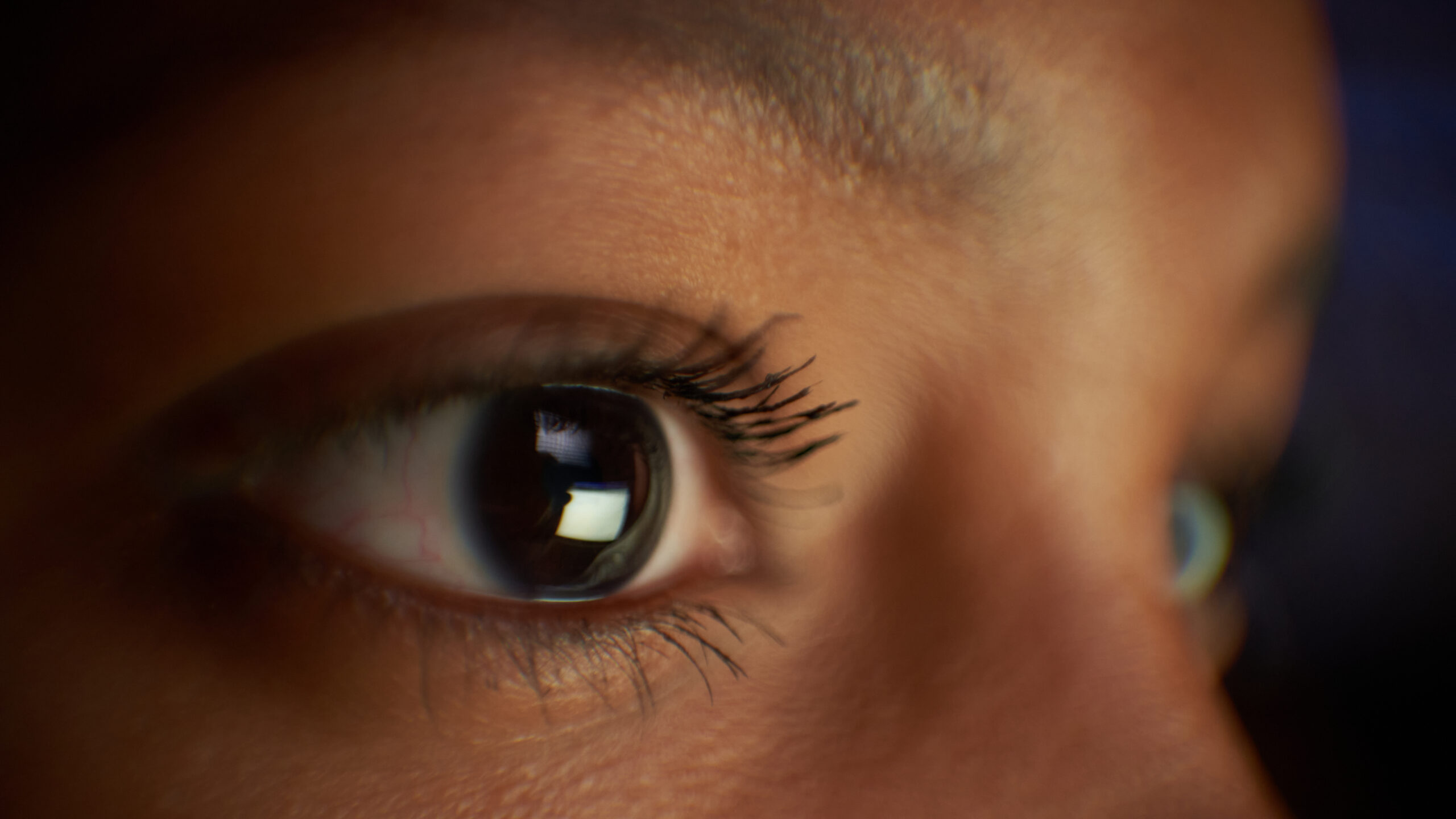
Early deuterostomes possessed a median eye combining both ciliary and rhabdomeric photoreceptor cell types within a single cyclopean structure. This ancestral eye later evolved into modern vertebrate eyes. The pineal complex at the brain's base, often called the vertebrate third eye, may represent a surviving trace of this evolutionary transformation. Bipolar neurons, long considered unique to the retina, likely originated from a chimeric combination of rhabdomeric and ciliary cell features rather than evolving de novo. This proposal suggests bipolar-like cells already exist in the pineal organ but lack the typical morphology of retinal bipolar cells. The model requires further testing through molecular comparisons, developmental studies, and broader sampling of eye development across species.
"We think that in this early deuterostome, the median eye contained both ciliary and rhabdomeric cells. As a result, both cellular lineages were incorporated into a single, ancient, cyclopean eye, which later evolved into the vertebrate eyes."
"We think that these bipolar-like cells already exist in the pineal. It's just that they don't look like the typical bipolar-they don't have a cell before and a cell after. Bipolar neurons are not a de novo evolutionary invention but instead have a chimeric origin, blending features of both rhabdomeric and ciliary cells."
"Scientists have long recognized striking similarities between the retina and the pineal organ, leading many to suspect that the two evolved from a single ancestral structure, with the pineal representing a more rudimentary version."
Read at Ars Technica
Unable to calculate read time
Collection
[
|
...
]