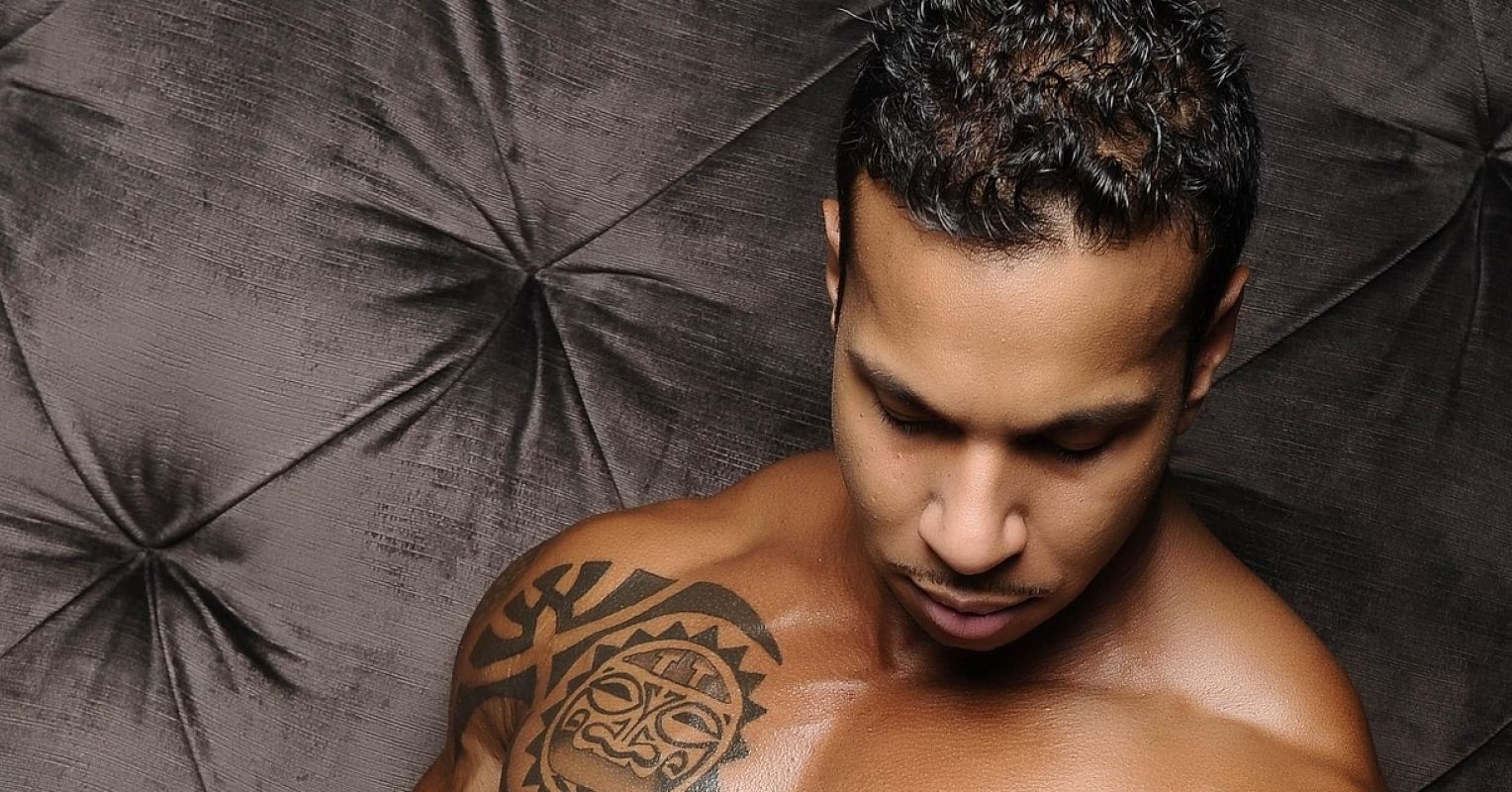
Body fat percentage and BMI influence male physical attractiveness more than muscle size alone. Preferences emphasize an athletic, V-shaped torso with broad shoulders, defined chest, and large biceps, linked to low waist-to-chest and high shoulder-to-waist ratios. Waist size is closely tied to body fat and metabolic health, so preferred body ratios may reflect a desire for lower adiposity and better health. Participants from China, Lithuania, and the UK ranked images varying in shoulder-to-waist ratio and body fat. Attractiveness related to both adiposity and shoulder-to-waist ratio, with adiposity emerging as the dominant factor. Ideal male bodies centered around 12–15% body fat and BMI 23–27.
"Research published in Personality and Individual Differences reveals that body fat percentage and Body Mass Index (BMI) play a larger role in male attractiveness than muscle size alone. What Is the Ideal Male Body? Attractiveness depends on many factors, including culture, psychology, and biology-especially body proportions, fat distribution, and symmetry. When considering the ideal male body type, certain biological features often stand out: Size and physical strength Muscularity Athletic build, with broad shoulders, a defined chest, and large biceps"
"A key feature of an athletic build is a V-shaped torso. The V-shaped torso is characterized by a waist much smaller than the chest and shoulders much wider than the waist. That is, a low waist-to-chest ratio (WCR) and high shoulder-to-waist ratio (SWR). Since waist size is closely tied to body fat levels, preferences for certain body ratios may actually reflect a desire for lower BMI and better metabolic health."
Read at Psychology Today
Unable to calculate read time
Collection
[
|
...
]