Defining life scientifically proves challenging despite intuitive recognition. Traditional criteria—reproduction, movement, growth, and energy processing—contain numerous exceptions, as demonstrated by viruses and non-living entities like fire and crystals that exhibit similar properties. Star Trek explores these definitional limitations, ultimately suggesting consciousness and self-awareness as life's distinguishing features, though these remain abstract and difficult to measure scientifically. Earth's early asteroid bombardment likely triggered chemical and environmental changes that enabled the emergence of metabolizing, replicating cells from inert matter, leading to the last universal common ancestor and subsequent life forms.
"To be considered alive, does something have to be able to reproduce, move, grow, and process energy? Any definition along these lines is riddled with exceptions. For instance, is a virus alive? While viruses do evolve, they don't replicate on their own. They use the host's tissues to make copies of themselves."
"Fire or crystals, for example, also consume nutrients, which are energy, 'excrete' waste, and grow, yet are not considered alive. Throughout Star Trek, the ultimate definition of life, particularly when discussing androids or artificial intelligence, often centers on sentience, consciousness, and self-awareness rather than just biological or metabolic functions."
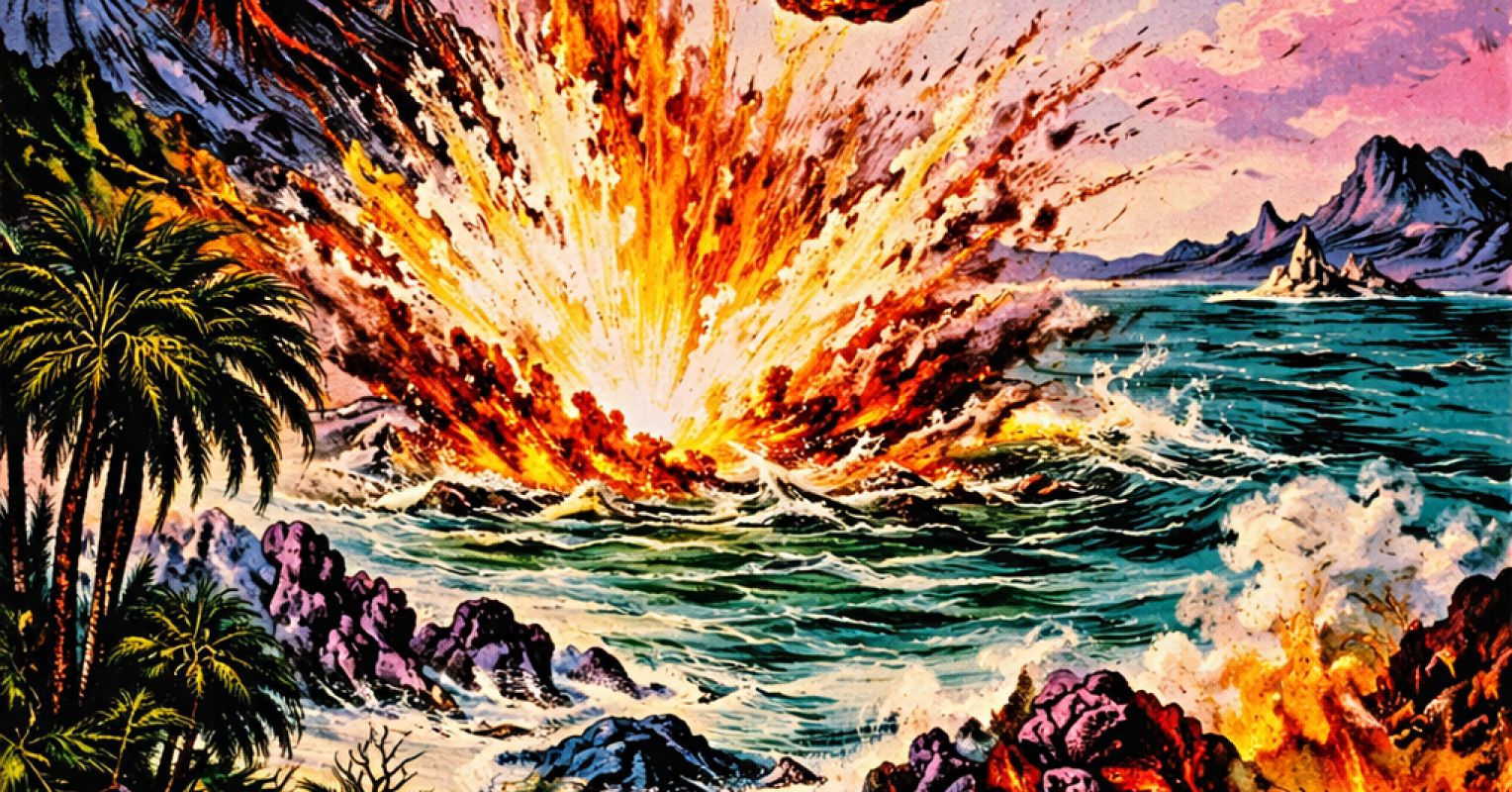
"One of science's most enduring riddles is what constitutes life and how cells that metabolize, replicate, and adapt emerged from matter that was once inert. Many scientists speculate that the early bombardment of Earth by asteroids set in motion a cascade of chemical and environmental changes, culminating in the appearance of life."
#definition-of-life #origin-of-life #abiogenesis #consciousness-and-sentience #early-earth-chemistry
Read at Psychology Today
Unable to calculate read time
Collection
[
|
...
]