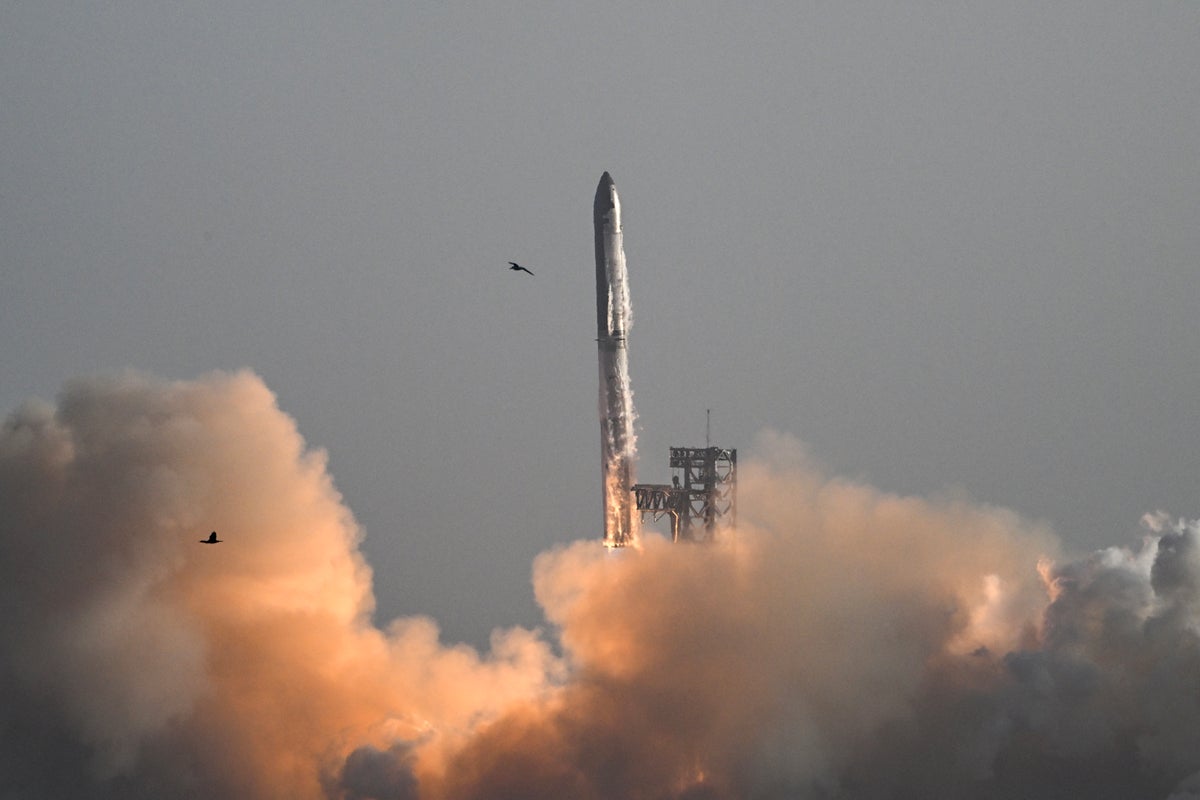
SpaceX is preparing to launch the latest, largest Starship megarocket from its Starbase compound in Texas no earlier than 6:30 P.M. EDT. The flight is the 12th Starship test and the first demonstration of the V3 design. Starship V3 is taller, exceeds 18 million pounds of total thrust, and introduces new Raptor 3 engines. Fully stacked on SpaceX’s Super Heavy booster, the vehicle is about 408 feet (124 meters) tall and is designed to loft roughly 100 metric tons into orbit. The booster architecture has evolved from four steering grid fins to three larger, structurally reinforced fins positioned lower for improved control authority and thermal robustness. The suborbital test aims to validate launch, booster separation, and splashdown in the Indian Ocean.
"SpaceX is gearing up to launch the latest and largest version of its Starship megarocket. Lifting off from the company's Starbase compound in Texas no earlier than 6:30 P.M. EDT tonight, the launch marks the 12th test of Starship and the first demonstration of its V3 design. For those who think this is simply another repeat test flight, the engineering changes under the rocket hood' are substantial, says Joseph Gonzalez, an associate professor of practice in aerospace engineering at the University of Illinois Urbana-Champaign and a former engineer for NASA's Artemis program."
"V3 is taller, exceeds 18 million pounds of total thrust and introduces the new Raptor 3 engines, he explains. Fully stacked on top of SpaceX's Super Heavy booster, the vehicle stands some 408 feet (124 meters) tall and is designed to loft about 100 metric tons of cargo into orbit. Like all SpaceX rockets, it's meant to come back down to Earth to be reused again and again."
"The booster architecture has also evolved significantly, Gonzalez says. The vehicle moves from four steering grid fins to three much larger and structurally reinforced fins positioned lower on the booster for improved control authority and thermal robustness. All of these features and more changes to the rocket's internal and external design will be tested on this flight, he says."
"SpaceX's livestream of the liftoff will begin approximately 45 minutes before the launch window opens at 6:30 P.M. You can watch it on SpaceX's site or on X. The suborbital test is aimed at showing that Starship V3 can successfully launch, separate from its booster and then splash down in the Indian Oceanit "
Read at www.scientificamerican.com
Unable to calculate read time
Collection
[
|
...
]