"Back in 2023, Mark Salazar saw his friend smoking a disposable vape pod. This was his first exposure to e-cigarette products, and he was curious about it. Salazar happens to be a Ph.D.-candidate in pharmacology and toxicology at the University of California Davis, and he had a hunch there might be something of interest inside. He took the device into the lab and tested it for metals. The results initially made him think his instrument was broken."
"Over the next couple of years, Salazar and colleagues thoroughly analyzed metal and metalloid content in three popular disposables. They found that all three products leach lead, nickel, chromium, antimony, copper, and zinc at levels that "exceed acceptable non-cancer and cancer risk thresholds" for these elements (Salazar et al., 2025). The disposable pods featured in Salazar's study, published in July 2025, appear to emit more such toxins than earlier e-cigarette products, other disposable e-cigarettes, and traditional cigarettes."
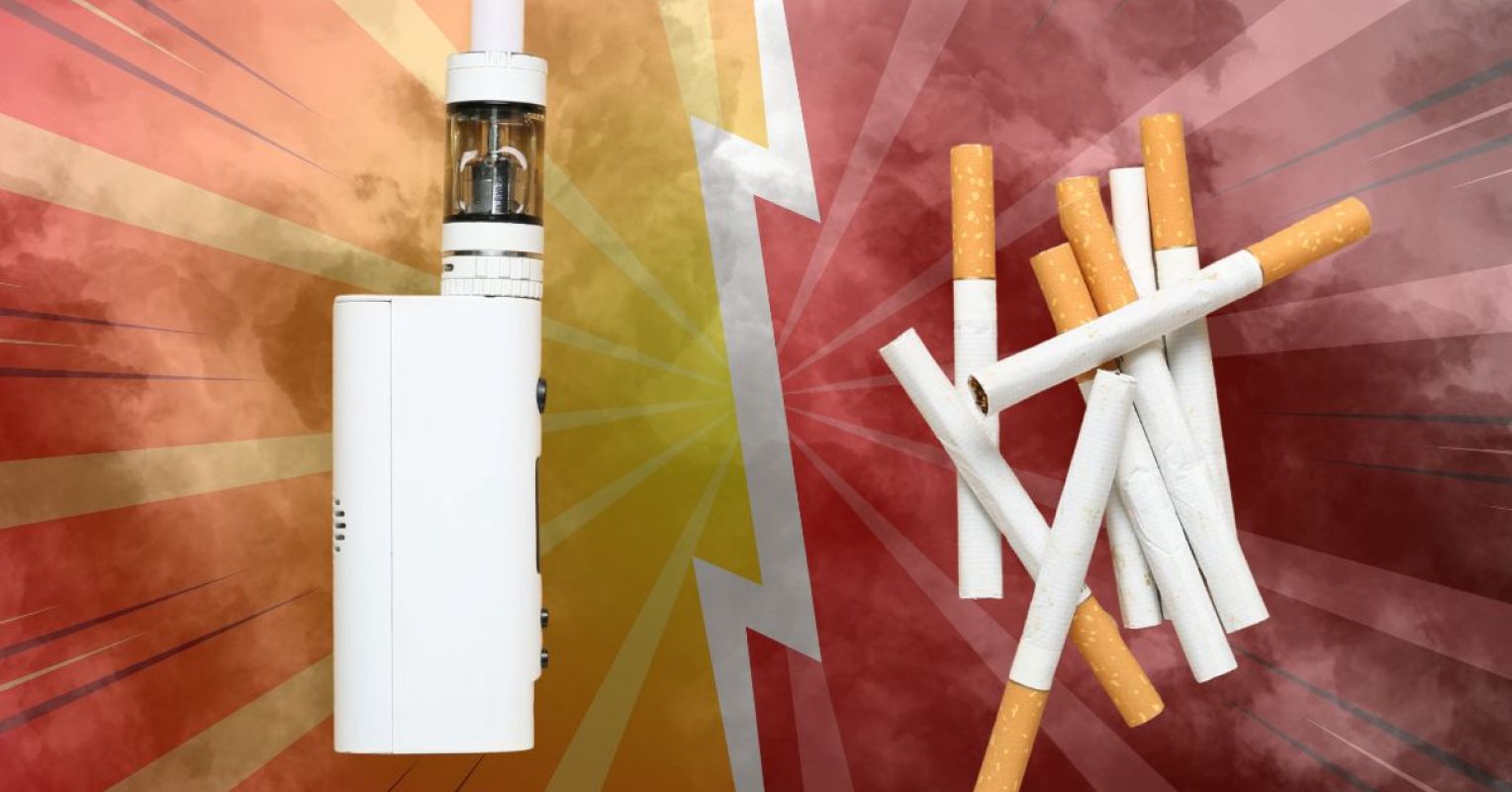
"What is Vaping? Vaping is a smokeless method of using nicotine, the toxic and addictive alkaloid found in tobacco. A vape device, or e-cigarette, consists of a battery, a metal heating element and a reservoir of carrier liquid. Additionally, a wick delivers the liquid to the heating element, and a firing mechanism delivers aerosol through a mouthpiece to be inhaled by the user."
Analysis of three popular disposable e-cigarette pods found they leach lead, nickel, chromium, antimony, copper, and zinc at levels exceeding acceptable non-cancer and cancer risk thresholds. The disposable pods emitted more of these metals than earlier e-cigarette products, other disposable devices, and traditional cigarettes. Disposable pods are currently the most popular vape device; two of the three analyzed are among the most used by youth. Vaping is a smokeless method of nicotine delivery. A typical device includes a battery, metal heating element, reservoir of carrier liquid, a wick, and a firing mechanism that produces inhaled aerosol. U.S. regular e-cigarette use is reported by about 6.5% of adults and 5.9% of teens.
Read at Psychology Today
Unable to calculate read time
Collection
[
|
...
]