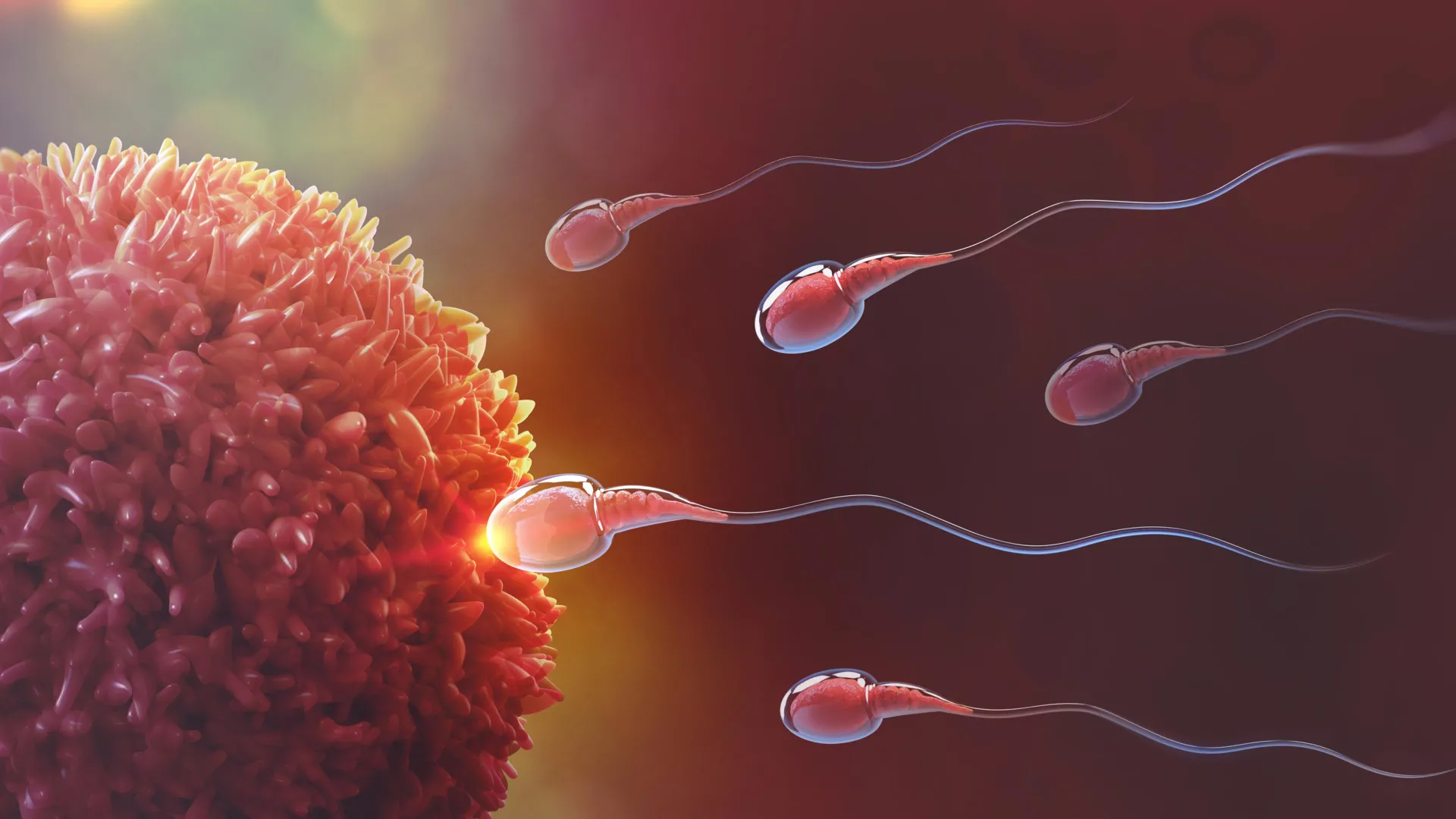
""Sperm metabolism is special since it's only focused on generating more energy to achieve a single goal: fertilization," said Melanie Balbach, an assistant professor in the Department of Biochemistry and Molecular Biology and senior author of the study. Before ejaculation, mammalian sperm remain in a low energy state. Once inside the female reproductive tract, they rapidly transform. They begin swimming more forcefully and adjust the outer membranes that will eventually interact with the egg. These changes demand a sudden and significant rise in energy production."
"Earlier in her career at Weill Cornell Medicine, Balbach helped show that blocking a critical sperm enzyme caused temporary infertility in mice. That discovery highlighted the possibility of nonhormonal male birth control. Although scientists understood that sperm require large amounts of energy to prepare for fertilization, the exact mechanism behind this surge remained unclear until now. Working with collaborators at Memorial Sloan Kettering Cancer Center and the Van Andel Institute, Balbach's team developed a method to follow how sperm process glucose, a sugar they absorb from their surroundings and use as fuel."
An enzyme-driven molecular switch triggers a rapid energy surge in sperm when they enter the female reproductive tract. Sperm shift from a low-energy state before ejaculation to vigorous motility and membrane alterations that require increased ATP production. A method to trace glucose processing in sperm revealed how glucose from the environment is metabolized to power this transformation. Prior blocking of the identified enzyme produced temporary infertility in mice, indicating that targeting the enzyme could enable nonhormonal male contraceptives while insights into sperm metabolism may improve infertility treatments.
Read at ScienceDaily
Unable to calculate read time
Collection
[
|
...
]