"The rods are the central element of a novel seismic-responsive structural system that is designed to help the building snap back to its original shape in the event of a major earthquake. Their trick is an embedded cluster of taut cables made from a highly flexible compound called a shape-memory alloy that's capable of bending under tension-like the lateral shaking in a California earthquake-and then straightening out."
"David Shook, a senior associate principal based in SOM's San Francisco office, helped develop the shape-memory alloy system for the building. He says testing showed it to be able to bend more than 25 times as much as typical structural steel, which he compares to a coat hanger. When you bend it, it stays, while the shape-memory alloy tension rod system can behave more like a rubber band."
"A building that can snap back into place after an earthquake is important not only for life safety but also for the ongoing use of a building in a post-disaster scenario. The current building code allows for your building to be damaged structurally in a way that still protects life and stays stable during an earthquake. But after the earthquake, there are big questions around whether that building can go back into service or not."
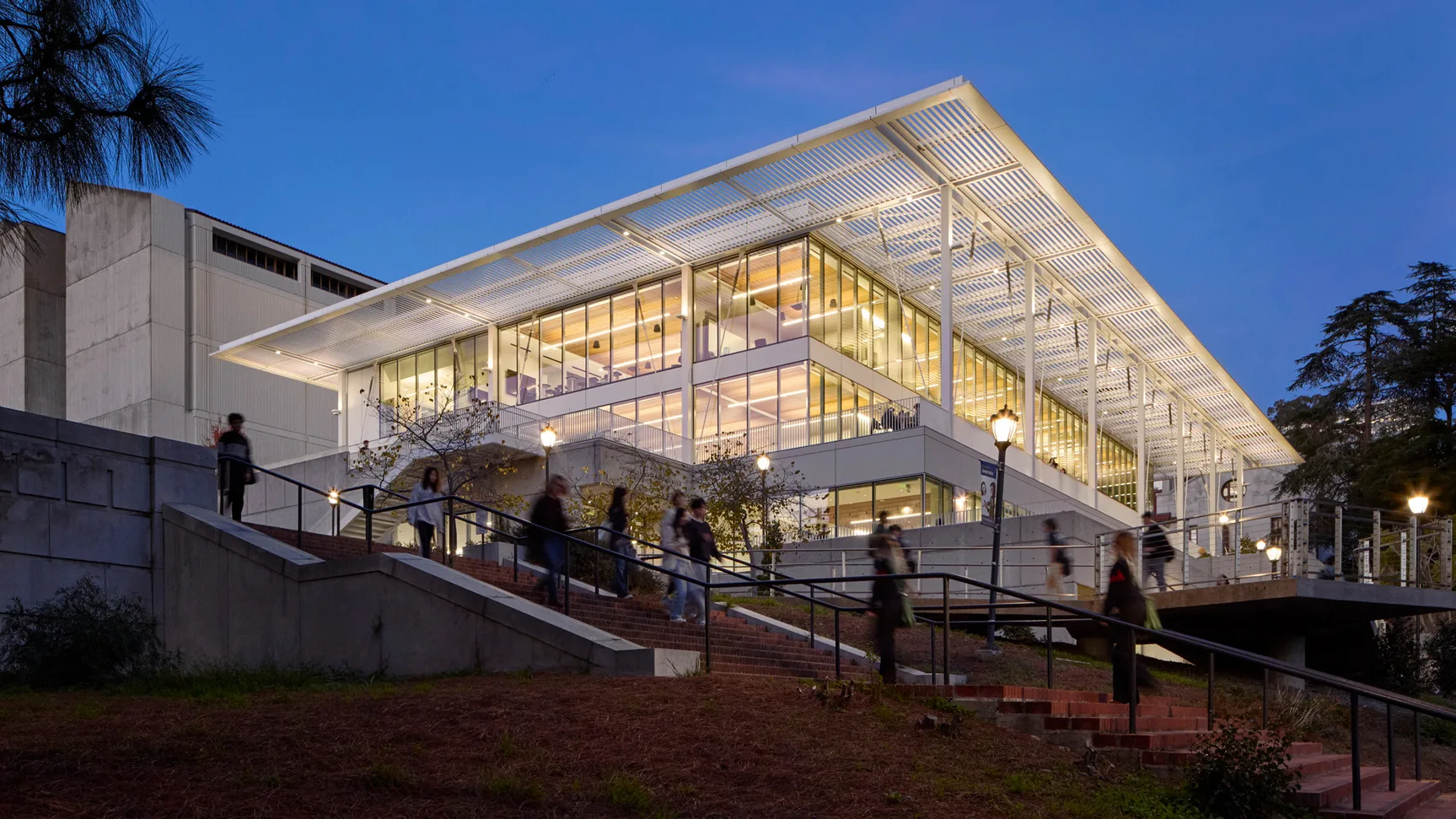
UC Berkeley's Grimes Engineering Center uses 36 thin metal rods embedded with shape-memory alloy cables to create earthquake-resilient structures. These rods can bend more than 25 times more than conventional steel while automatically returning to their original shape, functioning like rubber bands rather than permanent deformations. Developed by architecture firm Skidmore, Owings and Merrill, this seismic-responsive system addresses a critical gap in current building codes. Traditional codes allow structural damage that maintains life safety but often renders buildings unusable after earthquakes. The shape-memory alloy system enables truly elastic seismic performance, allowing buildings to recover functionality immediately following major seismic events.
#earthquake-resistant-design #shape-memory-alloys #seismic-engineering #building-resilience #structural-innovation
Read at Fast Company
Unable to calculate read time
Collection
[
|
...
]