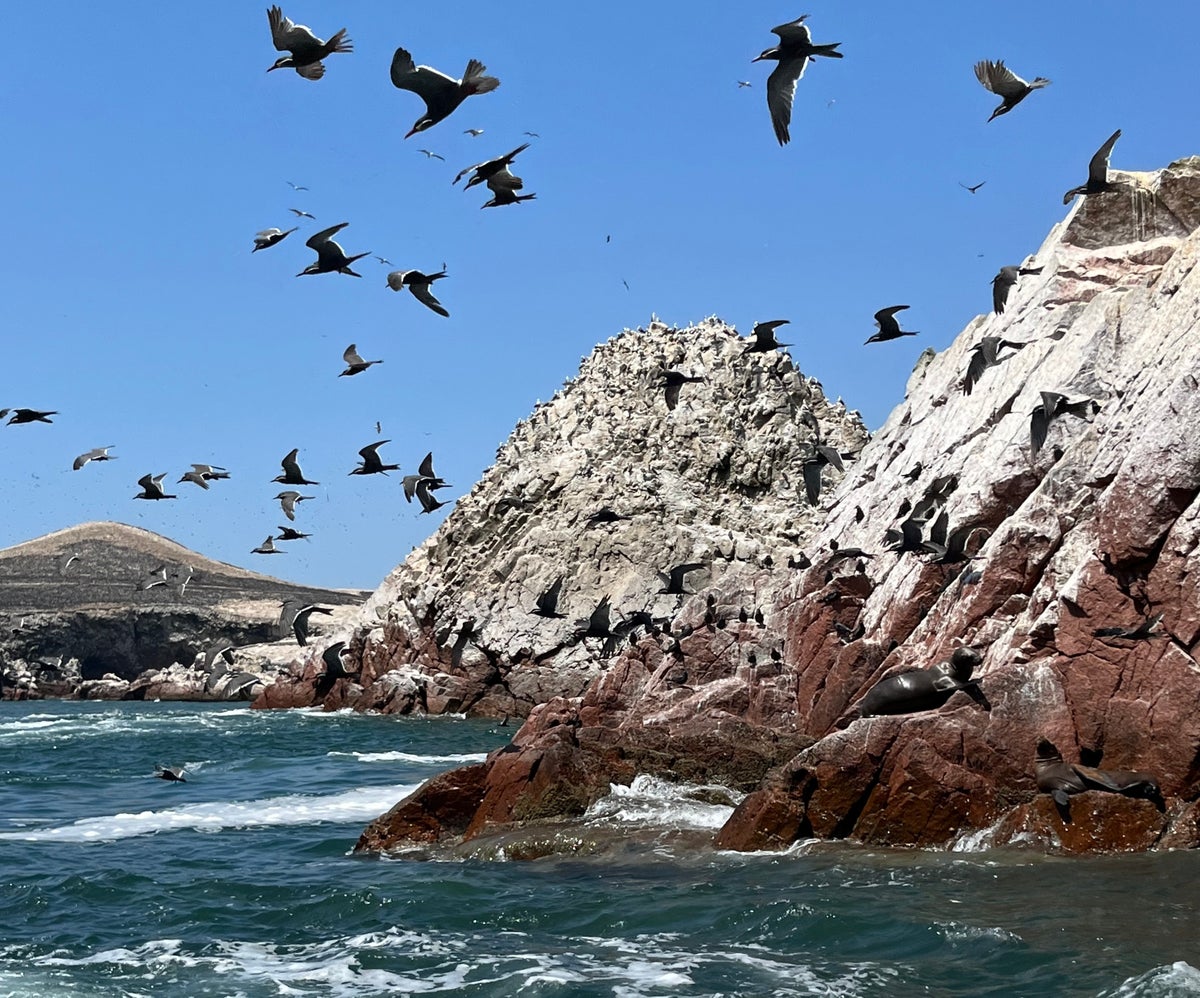
"This seabird poop mixed with other waste is such a powerful nitrogen deposit that in the late 1800s it spurred much of the U.S.'s imperial acquisitions. But guano was a known and valued resource long before the U.S. came on the scene. Now new research published February 11 in PLOS One offers evidence that a Peruvian civilization thriving before the rise of the Inca Empire in the early 1400s was applying guano from those islands to its maize crops by at least 1250."
"The origins of fertilization are important because soil management allowing large-scale crop production would have been key to allowing population growth and developing a trade in crops, says study co-author Emily Milton, an environmental archaeologist at the Smithsonian Institution's National Museum of Natural History. And archaeologists have long known that people living in Peru's Chincha Valley were able to do exactly that but with little detail as to how, says Jordan Dalton, an archaeologist at the State University of New York at Oswego,"
Seabird guano deposited on islands off the Peruvian coast provided a potent nitrogen-rich fertilizer. Evidence indicates a pre-Inca civilization in the Chincha Valley applied island guano to maize by at least 1250. Guano-enhanced soil fertility enabled larger-scale maize production, supporting population increases and the development of crop trade networks. The Chincha polity achieved wealth and engaged in regional interactions, trade, and competition, but precise details of traded goods and social relationships remained unclear. Detection of centuries-old guano traces supplies direct insight into historical soil management and helps explain agricultural surplus and socio-economic complexity on the coast.
Read at www.scientificamerican.com
Unable to calculate read time
Collection
[
|
...
]