"From its perch on Cerro Pachón in the Andes, the Rubin observatory will soon use the largest digital camera in the world to begin making a continuous video of the southern sky. Despite weighing some 350 tonnes, the telescope has a compact design that allows it to move nimbly, capturing a different exposure every 40 seconds. It will map the Universe's invisible dark matter in 3D, detect millions of pulsating or exploding stars and spot asteroids that could threaten Earth."
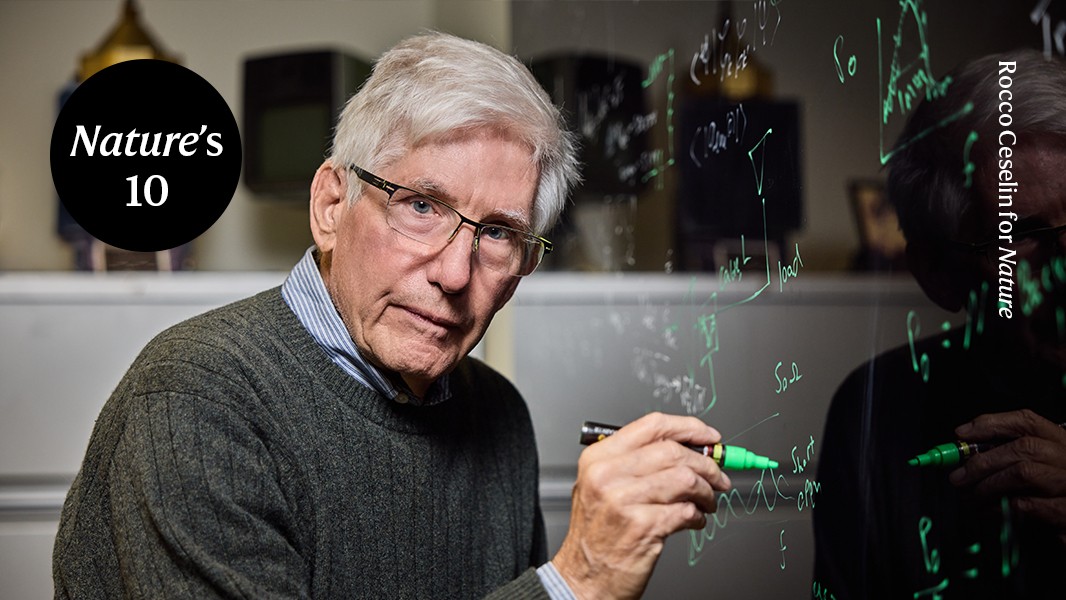
"Earlier this year, Tony Tyson got a sneak preview of the first images taken by the brand-new Vera Rubin Observatory in Chile - a project he first dreamt up more than 30 years ago. After he and his team had spent months troubleshooting the telescope's hardware and control software, thousands of galaxies came into perfect focus. "It's one thing to know that everything is working, but it's another thing to see it with your own eyes," says Tyson. "When I saw that, I said 'wow'.""
"Tyson's interest in science, and building electronic devices, started early. When he was five, a bout of pulmonary disease and rheumatic fever forced him to spend many hours in a steam tent, where he listened to shortwave radio. This experience, he says, kick-started his lifelong interest in getting information out of noisy signals. He also had an early interest in the science of gravity."
Tony Tyson previewed the first images from the Vera Rubin Observatory after months troubleshooting hardware and control software, revealing thousands of galaxies in sharp focus. Located on Cerro Pachón, the observatory will use the largest digital camera to produce a continuous video of the southern sky, taking a new exposure every 40 seconds with a compact, 350-tonne telescope that moves nimbly. The survey will map dark matter in three dimensions, detect millions of variable and exploding stars, and identify potentially hazardous asteroids. The US$810-million project was a high-risk, high-reward endeavor that Tyson conceived and championed despite early scepticism. Early childhood illness and listening to shortwave radio spurred Tyson's interest in extracting signals from noisy data and in gravity.
Read at Nature
Unable to calculate read time
Collection
[
|
...
]