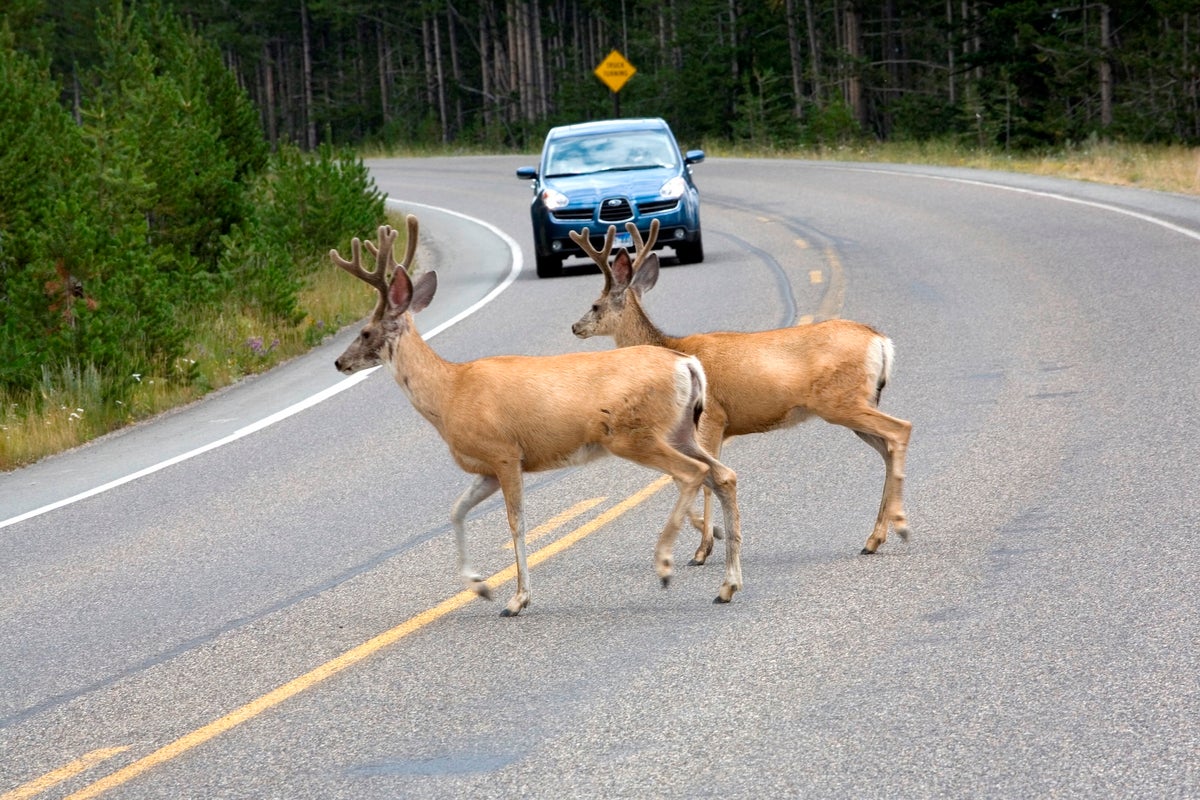
Wildlife ecologist Christa Beckmann at RMIT University conducted research on how raptors consume frogs and cane toads by collecting roadkill specimens at night and observing predation patterns through footprints left in sand trays. While reviewing existing literature for her work, Beckmann identified a widespread pattern of researchers utilizing roadkill in their studies. This observation prompted her to publish a comprehensive literature review examining how scientists have innovatively repurposed roadkill for research purposes. Her analysis identified over 300 examples demonstrating the diverse applications of roadkill in scientific research, including mapping species locations, acquiring specimens through ethical means, and identifying previously unknown species. The review reveals the substantial range of research topics benefiting from roadkill as a scientific resource.
"While combing through relevant past research for her work, Beckmann noticed a pattern: a lot of other researchers also used roadkill in their studies. Her curiosity led her to recently publish a comprehensive literature review describing the ways that people have put roadkill to use—and in some cases, innovated new research methods. She found more than 300 examples in which researchers made scientific lemonade out of lemons: roadkill helped them chart where species are, acquire specimens more ethically and even discover new species."
"Beckmann is a wildlife ecologist at RMIT University in Australia. At the time, she was studying how raptors ate frogs and invasive cane toads killed by cars. To get a full picture of which amphibians the birds went for and when, she collected them in the wee hours of the night and placed them in trays filled with sand alongside the road. Then the birds would swoop in and scoop up their warty breakfast, and she was able to observe the telltale footprints they left behind in the trays."
"I was really impressed with just the huge diversity of research topics that people were using roadkill for, Beckmann says. It could become a source of inspiration for other researchers."
#roadkill-research #wildlife-ecology #scientific-methodology #species-conservation #predator-prey-dynamics
Read at www.scientificamerican.com
Unable to calculate read time
Collection
[
|
...
]