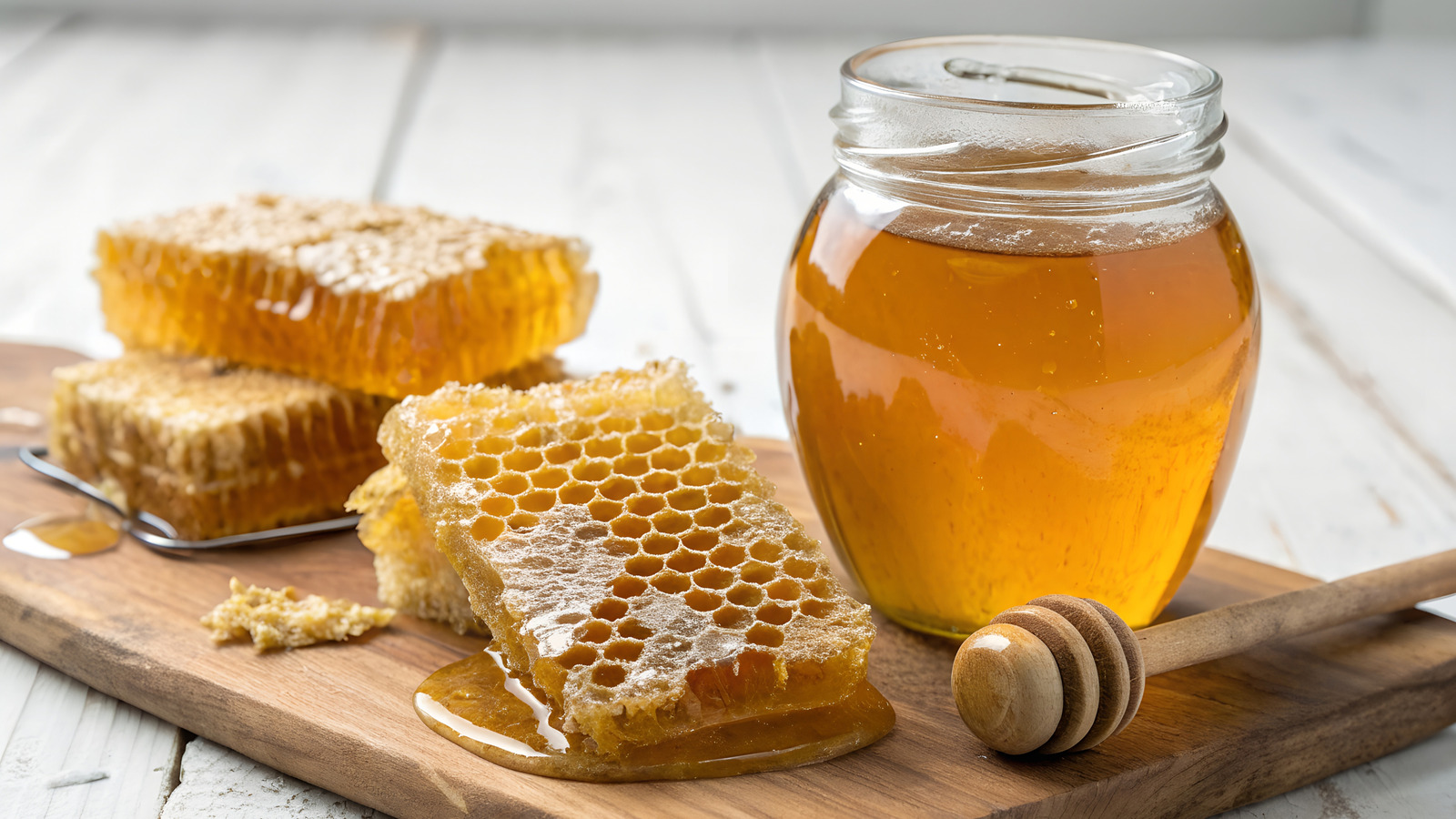
Honey is a concentrated sugar solution produced by bees from flower nectar and is not a living substance with genes or memory. The hexagonal patterns produced by the viral water-and-honey test result from physics: differences in viscosity and surface tension cause the thicker liquid to clump and form shapes when agitated. Container shape and shaking method alter the resulting pattern, so the test is unreliable for detecting adulterated honey. Reliable identification of counterfeit honey requires molecular-level analysis such as nuclear magnetic resonance spectroscopy. Sophisticated counterfeiters can closely mimic bee-made honey, making at-home verification virtually impossible.
"It's a cool story - except honey doesn't have genes. It also can't remember anything because it's not alive - honey is just a concentrated sugar solution that bees create from flower nectar, and the patterns people see have everything to do with physics and nothing to do with memory or DNA. What's actually happening is that when you agitate two liquids with vastly different viscosity levels and surface tensions,"
"What's actually happening is that when you agitate two liquids with vastly different viscosity levels and surface tensions, the thicker one (honey) clumps together and can settle into random patterns depending on how you shake things around. In fact, a person on Reddit even tried this trick using dishwashing liquid and got the exact hexagonal shape - and we're quite sure that soap doesn't have genetic memory."
Read at Tasting Table
Unable to calculate read time
Collection
[
|
...
]