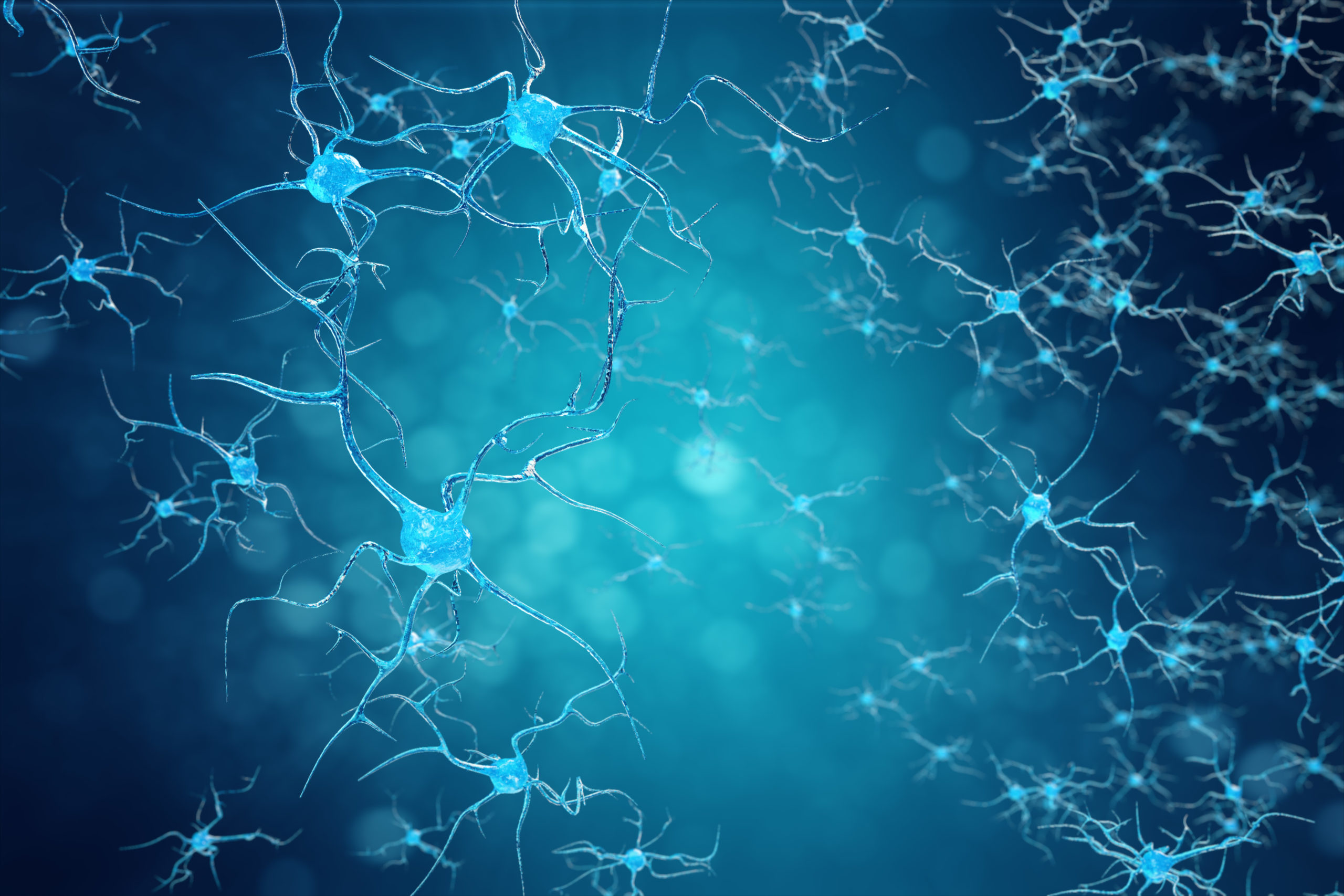
"In the current study, Kalb and his collaborators aimed to investigate the role of RAD23, a protein that is involved in the identification and disposal of damaged or misfolded proteins. Under normal circumstances, elimination of misfolded proteins is essential for maintaining a healthy collection of proteins in cells, a process known as protein homeostasis, or proteostasis. Proteostasis is essential for physiological cell function, operating to balance the creation and destruction of proteins."
"First, Kalb and his team performed a genetic screen in C. elegans models of ALS and found that the protein RAD23 plays a dual role: it helps degrade some proteins while stabilizing others. His team showed that loss of RAD23 from cells accelerates the breakdown of several disease-linked proteins - including mutated forms of TDP43 and SOD - suggesting that physiological levels of RAD23 may actually hinder the cell's ability to clear harmful protein aggregates."
RAD23 acts as a cellular gatekeeper that identifies and helps dispose of damaged or misfolded proteins, contributing to proteostasis. RAD23 performs a dual role by promoting degradation of some substrates while stabilizing others. Loss of RAD23 accelerates breakdown of several disease-linked proteins, including mutated TDP43 and SOD, indicating that normal RAD23 levels can impede clearance of harmful aggregates. Proteostasis balances protein creation and destruction; its failure permits toxic aggregate accumulation implicated in ALS, Parkinson’s, Huntington’s, and Alzheimer’s. Two mammalian paralogs, RAD23A and RAD23B, are targets for genetic manipulation to assess therapeutic potential.
Read at News Center
Unable to calculate read time
Collection
[
|
...
]