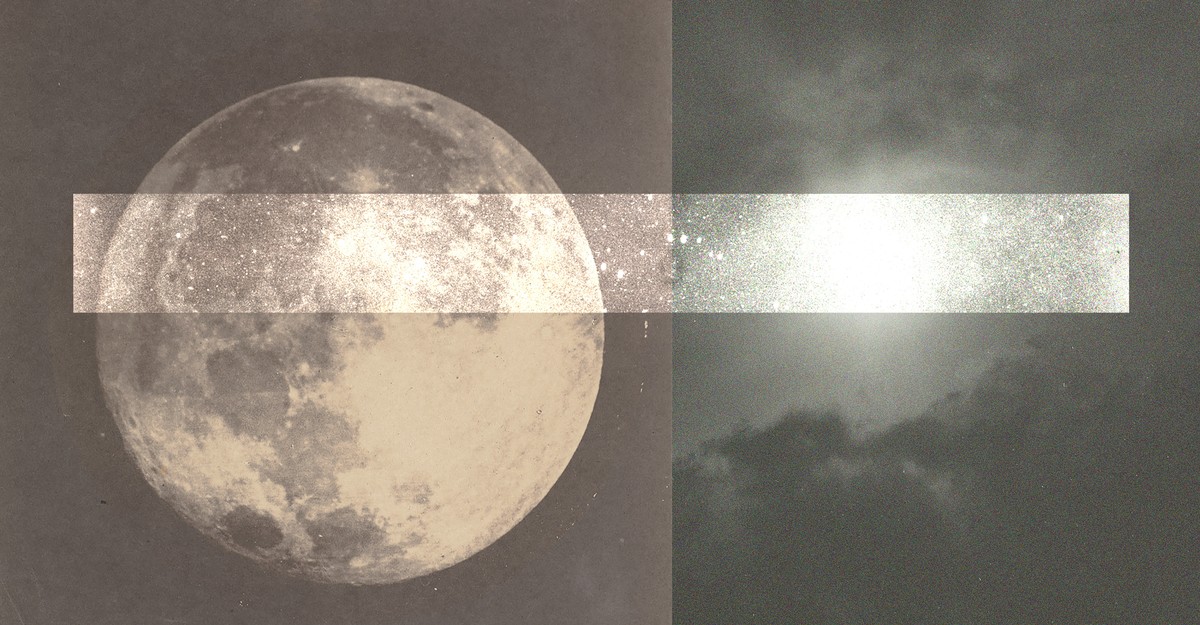
"I love the moon as much as anyone, but the problem, bluntly, is that the moon is too famous. Maybe you've noticed this. The moon is constantly in the news. It is doing something "rare" or "unique" seemingly every week. Local-news outlets will inform their readers that a supermoon is about to "take to the skies" or rise "over Milwaukee," in stories that are not technically inaccurate, though they do fail to acknowledge that the moon is always taking to the skies."
"National outlets do the same thing. The main difference is that Newsweek will claim that a supermoon is rising not over Milwaukee but over the United States. A partial list of outlets that covered the supermoon last month includes , , , PBS, ABC News, , CNN, , , , the Associated Press, and The Washington Post. Forbes chose to innovate by referring to it as a Christmas supermoon, even though it was visible only for a short period in the first week of December."
Media outlets sensationalize lunar events, repeatedly treating routine phases like supermoons as rare or unique. Local coverage frames the moon as "taking to the skies" and offers viewing tips that assume inexperience. National outlets amplify local language and broaden geographic claims, with many mainstream organizations repeating the same framing. Some outlets brand events with seasonal labels or link them to astrological effects on minds and bodies. Excessive repetition has produced personal frustration and attempts to limit chatter. High-profile December supermoon coverage renewed attention and raised the question of why lunar reporting remains so ubiquitous.
Read at The Atlantic
Unable to calculate read time
Collection
[
|
...
]