"Included in the study was NASA's SPHEREx space telescope, the European Space Agency's proposed ARRAKIHS system, and China's planned Xuntian space telescope, as well as Hubble, all of which orbit at altitudes between about 450 and 800 kilometers. The findings suggest about 39.6 percent of Hubble's images and 96 percent of images from the other three telescopes would be affected by interference from satellites."
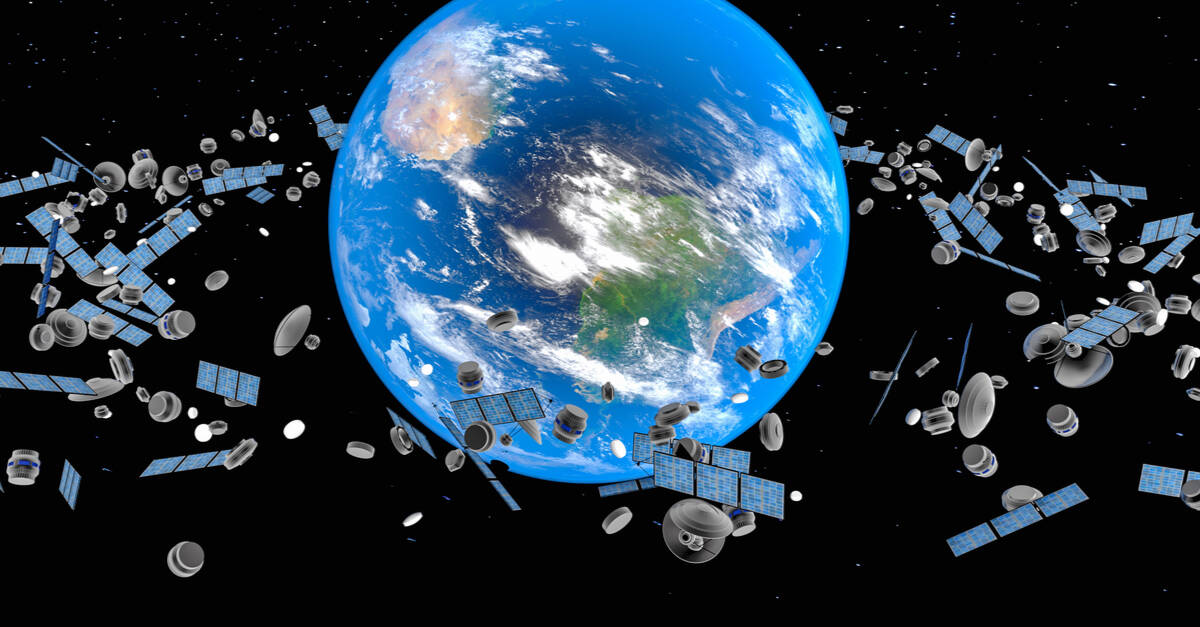
"The study shows that nearly 40 percent of the Hubble Space Telescope's images could suffer interference from the proliferation of communication satellites, which are set to explode in number in a few years. In 2019, the number of satellites orbiting the Earth was around 2,000. Now it is around 15,000, mainly because launch costs have dropped dramatically. The number could balloon to a jaw-dropping 560,000 by the end of the 2030s if currently filed satellite constellation plans are carried out."
Nearly all images from some low Earth orbit space telescopes could be affected by light from man-made satellites as communication spacecraft surge in number. Satellite counts rose from roughly 2,000 in 2019 to about 15,000 now and could reach some 560,000 by the 2030s if planned constellations proceed. Modeling for telescopes orbiting between about 450 and 800 kilometers finds roughly 39.6 percent of Hubble images and about 96 percent of images for SPHEREx, ARRAKIHS and Xuntian would be affected. Average satellites per exposure could range from about 2 for Hubble to dozens or scores for other telescopes. Historical Hubble scans already show satellite trails in a small but measurable fraction of exposures. Deploying satellites below telescope orbits can reduce interference but creates trade-offs in emissions and operations.
Read at Theregister
Unable to calculate read time
Collection
[
|
...
]