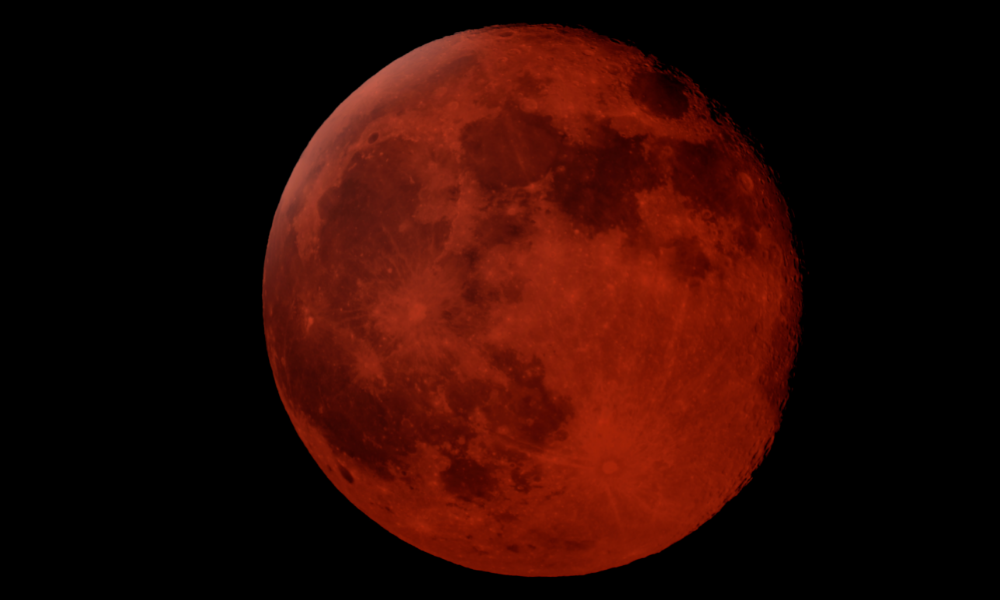
"Because the sun is about 50,000 miles closer to the earth than at its furthest point - and it's a full or new moon - the moon will appear larger and brighter than most full moons. To be considered a supermoon, it has to be within 224,851 miles (361,863 kilometers) of our planet, as measured from the centers of the moon and Earth."
"March 3 - Total Lunar Eclipse (Blood Moon) What: The Moon fully enters Earth's shadow and may appear reddish. Visibility: Visible from San Francisco in early morning hours (timing local to PST). Totality begins: around 3:04 a.m. PST Totality ends: around 4:02 a.m. PST Why Watch: One of the year's most dramatic lunar events. This eclipse will be the last total lunar eclipse until late 2028."
An optical illusion and the moon's proximity will make the moon appear larger and brighter in the San Francisco Bay Area during a supermoon. A supermoon occurs when the moon is within 224,851 miles (361,863 kilometers) of Earth and coincides with a full or new moon. Observation is best near the horizon at moonrise or moonset, where buildings or trees provide size references. 2026 includes supermoon dates and a total lunar eclipse on March 3, visible from San Francisco in early morning PST. Totality is around 3:04–4:02 a.m. PST. Viewers should verify event details with organizers.
Read at Funcheap
Unable to calculate read time
Collection
[
|
...
]