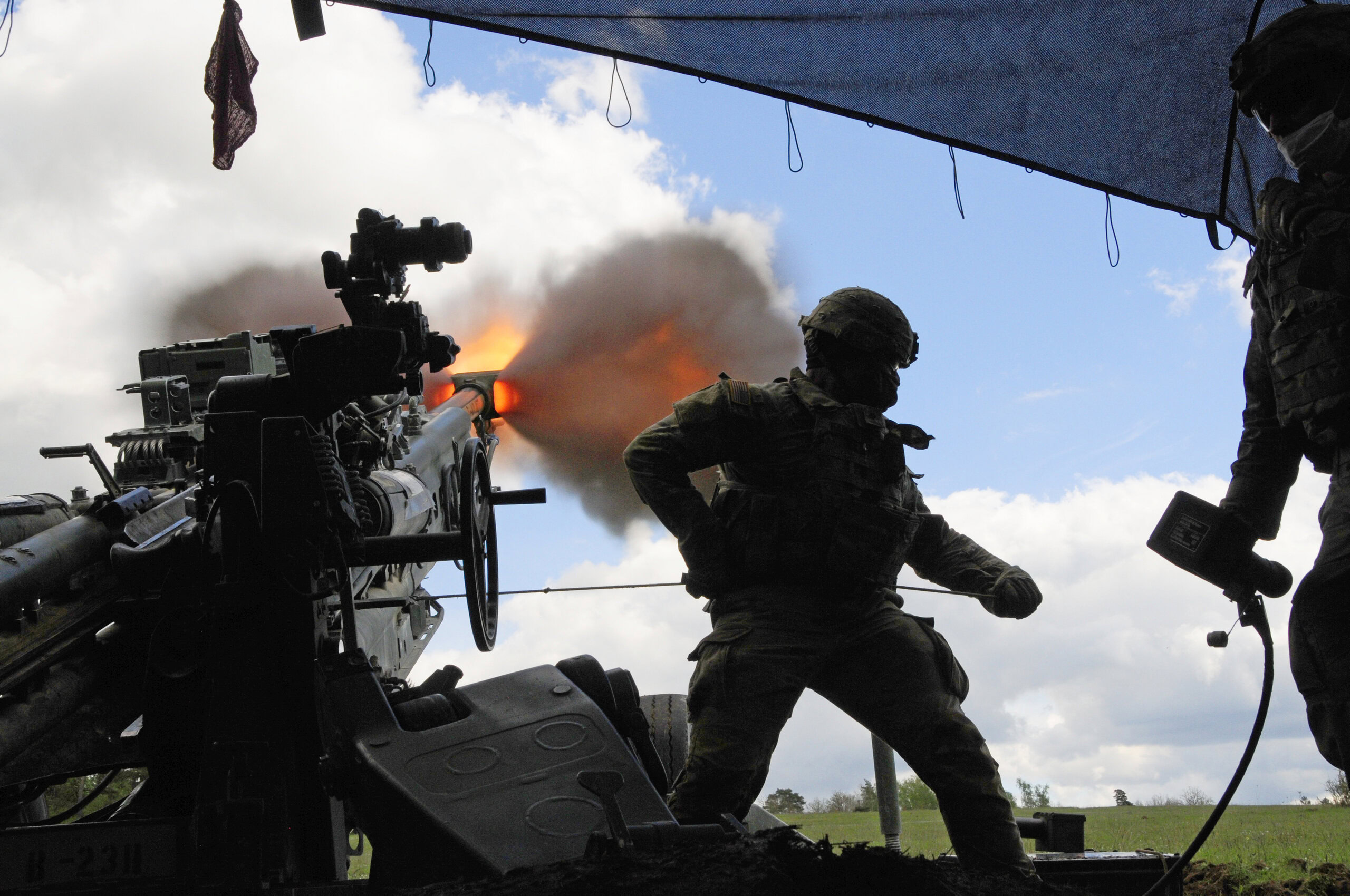
"Much of modern warfare was built around the idea that cover bought survival. Trenches, bunkers, armored hulls, and urban structures worked because most weapons were imprecise, and misses were common. Precision weapons upended that balance. By making it possible to hit targets hiding behind, beneath, or inside traditional cover, these systems stripped away the battlefield's old safety margins and forced militaries to rethink how protection, movement, and survivability actually work. Here, 24/7 Wall St. is taking a closer look at these advanced precision weapon systems."
"Understanding how precision weapons stripped away the protection once provided by traditional cover is essential to understanding modern combat. Trenches, bunkers, armor, and urban structures were built around the assumption that inaccuracy created safety. Precision shattered that assumption. By examining the weapons that made cover unreliable, this explains why modern forces must prioritize movement, dispersion, and targeting discipline, as well as why surviving on today's battlefield depends less on what you hide behind and more on how quickly you are detected."
Precision weapons transformed the fundamentals of protection on the battlefield by allowing attacks on targets hidden behind, beneath, or inside traditional cover. Trenches, bunkers, armored hulls, and urban structures lost reliability because greater accuracy eliminated safety margins that inaccuracy once provided. Militaries have had to rethink protection, movement, and survivability, placing greater emphasis on dispersion, rapid detection, and targeting discipline. The review identifies specific precision systems, their introduction dates, the changes they produced in combat, and the environments where cover became especially unreliable, highlighting why surviving modern combat depends more on mobility and detection than static protection.
Read at 24/7 Wall St.
Unable to calculate read time
Collection
[
|
...
]