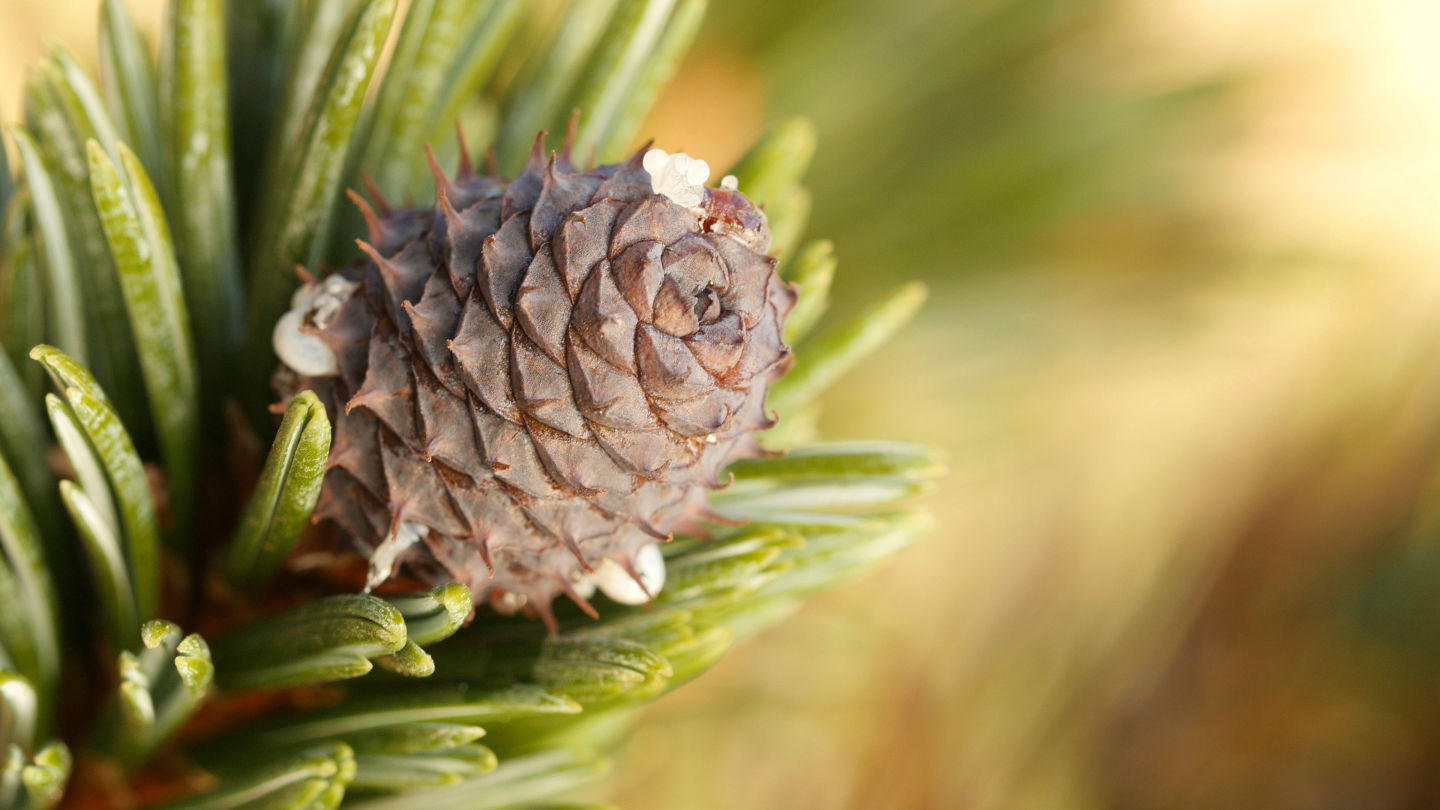
"When forests grow quiet in winter, pine cones emerge as the reproductive engines of conifers, with male and female cones playing distinct roles. The male cones release clouds of pollen in spring, but the female cones do the real winter magic: they hold the seeds. Their armor-like scales act like tiny gates, opening just wide enough to catch pollen spread by the wind, then sealing shut for months as the seeds develop inside."
"Every year, male reindeer grow an entirely new set of antlers, essentially full bones that sprout from their heads in a process fueled by testosterone. In summer, these antlers are wrapped in velvet, a dense skin rich in blood vessels that nourish the fast-growing bone. Come fall, the velvet sheds, revealing the smooth, polished antlers, the reindeer use to spar with rivals and impress potential mates."
"Each snowflake starts as a tiny water-vapor speck freezing into an icy hexagon. As it tumbles through clouds, temperature and humidity shape its branches, making each one's journey and pattern unique. But in a lab, physicist Ken Libbrecht can actually make identical snowflakes by precisely controlling the conditions. Nature may be unpredictable, but science proves it can be repeatable, at least"
Pine cones function as conifer reproductive organs: male cones release pollen in spring while female cones capture pollen and protect seeds through winter. Female cone scales open briefly to receive windborne pollen, then seal for months as seeds mature and later reopen in dry conditions to release seeds for dispersal and germination. Male reindeer grow antlers annually, nourished by velvet in summer, shed velvet and use polished antlers for mating season, then drop antlers and regrow them. Snowflakes form from frozen vapor into hexagonal crystals shaped by temperature and humidity, but identical flakes can be made under controlled laboratory conditions.
Read at Kqed
Unable to calculate read time
Collection
[
|
...
]