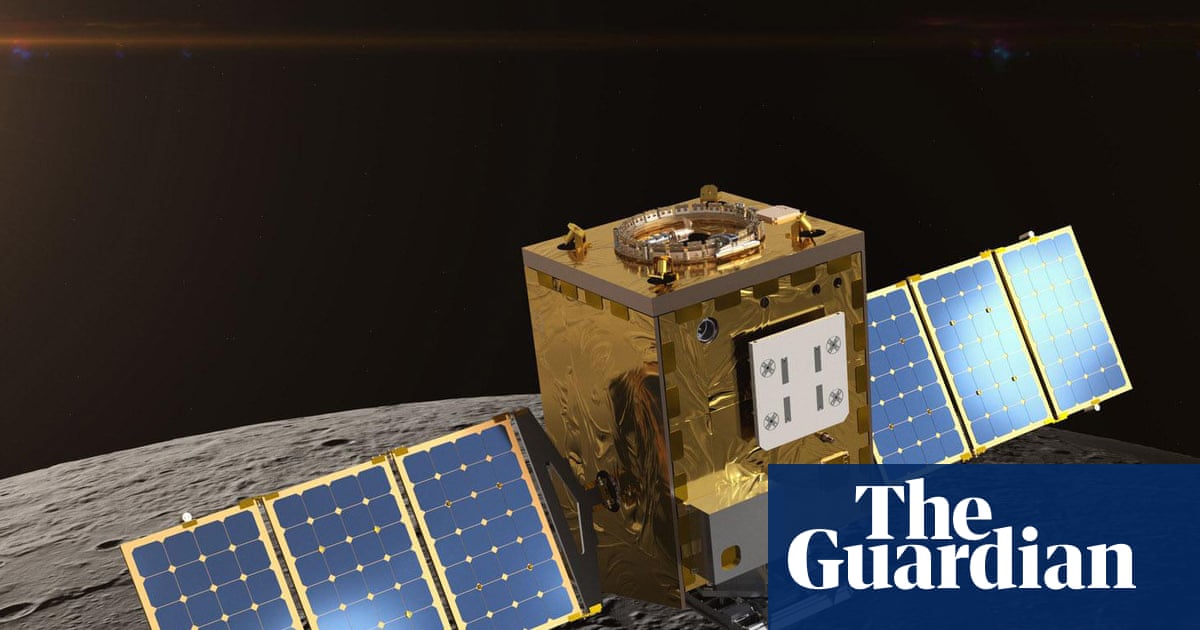
Lunar satellite deployments are expected to increase sharply over the next two decades to support bases, mining and scientific operations. Decommissioned satellites that run out of fuel will often be steered to crash on the lunar surface, concentrating debris in chosen areas. High-speed impacts will fragment hardware, produce intense vibrations, carve scars tens of metres long, and loft abrasive dust that can obscure telescopes and damage equipment. Rainfall of dead satellites could threaten buildings, sensitive instruments and historic sites such as early astronaut footprints, creating a need for coordinated disposal planning.
"Patches of the moon are destined to become spacecraft graveyards where dead lunar satellites and other defunct hardware can be crashed into the ground, far away from sites of cultural and scientific importance, researchers say. The number of satellites circling the moon is set to soar in the next two decades as space agencies and private companies build moon bases and dabble with mining operations and constructing scientific instruments on the barren terrain."
"But when the satellites run out of fuel, operators have few options other than steering them into the ground, where they will be smashed to pieces. These satellites will have to be crash-landed on the moon, so it will potentially become a rubbish site, said Dr Fionagh Thomson, a senior research fellow at the University of Durham, who convened an expert panel on the issue at the Space-Comm meeting in Glasgow in December."
"Beyond scattering satellite parts across the surface, researchers fear that if scores of dead satellites rain down across the moon, they risk causing damage to buildings, scientific instruments, historic sites such as the first astronaut footprints, and pristine sites of scientific interest. With impact speeds of 1.2 miles per second, the collisions will produce intense vibrations, which could disrupt the sensitive instruments scientists want to build on the moon."
Read at www.theguardian.com
Unable to calculate read time
Collection
[
|
...
]