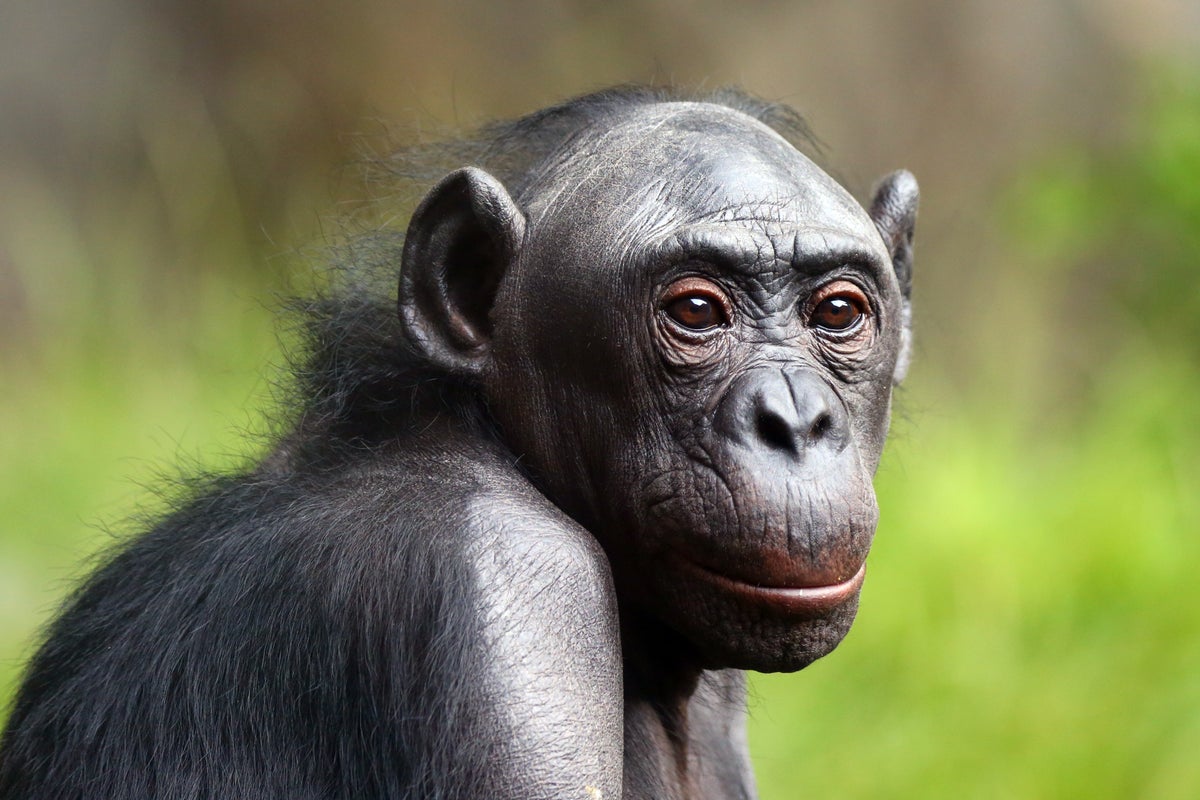
Same-sex behavior occurs across more than 1,500 animal species, spanning spiders, nematodes, bonobos, and fish. Such behaviors are likely massively underreported and less understood than other animal behaviors. Focus on nonhuman primates links same-sex acts to social functions that bolster nuanced social systems, serving as part of behavioral repertoires alongside reproduction, caregiving, fighting, and feeding. More than 1,700 publications were examined, identifying 59 primate species with documented mounting, ejaculation, or genital stimulation. Evidence suggests same-sex interactions build and reinforce social connections and may be evolutionarily beneficial. Observations should not be applied to humans or used to interpret LGBTQ+ experiences.
"Same-sex behavior is common across the animal kingdommore than 1,500 species are estimated to have been observed engaging in same-sex behavior, from spiders and nematodes to bonobos and fish. Still, scientists suspect that such behaviors are massively underreported and consequently far less understood than others exhibited by animals. A new study by researchers at Imperial College London and published on Monday in Nature Ecology & Evolution could help shed some light."
"The research homes in on same-sex behavior in nonhuman primates and describes how it may have evolved to bolster these species' nuanced social systems. If you want to understand the behavior of wild, complex animals, you must take into account same-sex [behavior], says Vincent Savolainen, a professor at Imperial College London and senior author of the paper. It's, I believe, as important as reproductive sex, looking after kids, fighting, eating, and so on."
"In other words, same-sex behaviors in these animals is part of a repertoire of behavior that helps nonhuman primates navigate their societies, Savolainen explains. The research adds to the growing body of evidence that suggests that same-sex behavior in nonhuman primates builds and reinforces social connectionsmeaning that these behaviors are likely evolutionarily beneficial, Savolainen argues. Importantly, in the new study, the authors emphasize that their results shouldn't be applied to humans or be used to interpret LGBTQ+ experiences."
Read at www.scientificamerican.com
Unable to calculate read time
Collection
[
|
...
]