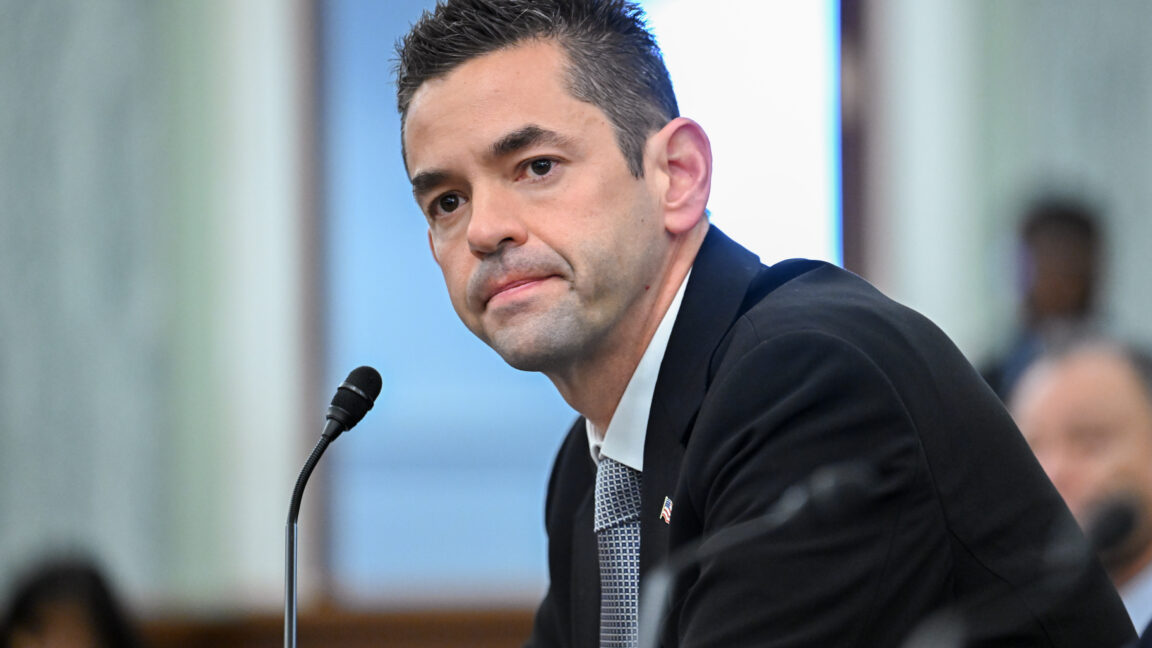
""The SLS program, they came up with a test campaign that actually looked at that cavity, the characteristics of the cavity, the purge in the cavity ... and they introduced hydrogen to see when you could actually get it to ignite, and at 16 percent, you could not," said Honeycutt, who served as NASA's SLS program manager before moving to his new job."
"Hydrogen is explosive in high concentrations when mixed with air. This is what makes hydrogen a formidable rocket fuel. But it is also notoriously difficult to contain. Molecular hydrogen is the smallest molecule, meaning it can readily escape through leak paths, and poses a materials challenge for seals because liquified hydrogen is chilled to minus 423 degrees Fahrenheit (minus 253 degrees Celsius)."
SLS program testing of a cavity and its purge system showed hydrogen did not ignite at a 16 percent concentration, prompting a relaxed safety limit between Artemis I and II. Hydrogen remains highly explosive in high concentrations, difficult to contain, prone to leak paths, and challenging for seals because liquefied hydrogen is extremely cold. NASA used the three-year interim between Artemis I and II to accept a larger hydrogen leak rather than immediately fixing interfaces. NASA leadership plans to cryoproof the vehicle and redesign propellant loading interfaces before Artemis III. Program costs and large ground-system expenditures have drawn criticism.
Read at Ars Technica
Unable to calculate read time
Collection
[
|
...
]