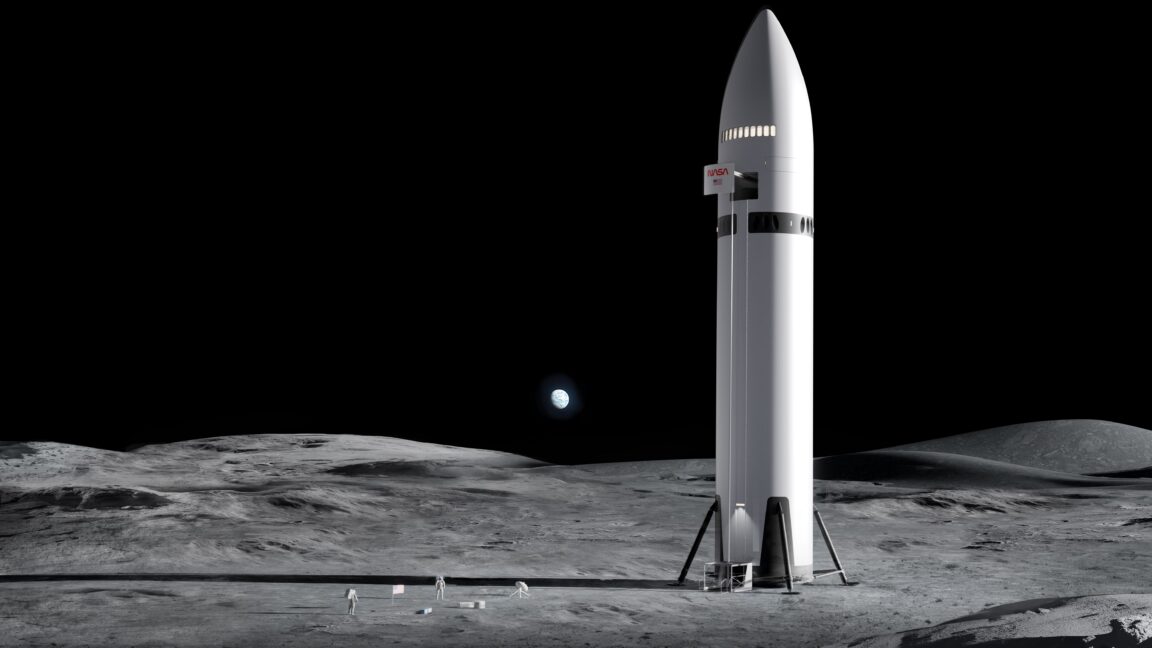
"Starship will not have the same level of proven flight heritage in the actual operating environment for its crewed lunar missions. Incorporating this system capability is a key element of HLS's human-rating certification and part of an essential crew survival strategy."
"SpaceX initially wanted touchscreens only, with limited flight commands available to astronauts. NASA pushed back and wanted what were essentially joysticks for astronauts to fly the vehicles like previous spacecraft. A former NASA astronaut then working at SpaceX, Garret Reisman, helped broker a compromise by which astronauts could manually fly the vehicles using controls on touchscreens."
During Apollo lunar landings, astronauts used backup manual control methods, though flight software was less advanced than today. NASA and SpaceX are approaching a Critical Design Review where manual control availability for Starship remains unresolved, potentially leaving automation as the only landing method. A similar disagreement occurred during Crew Dragon development a decade ago, where NASA advocated for manual controls while SpaceX preferred touchscreens only. A compromise allowed astronauts to manually fly Dragon using touchscreen controls. However, Starship lacks the proven flight heritage that Dragon's cargo missions provided. The report emphasizes that manual control capability is essential for human-rating certification and crew survival strategy. Blue Origin has not yet designed manual controls for its lunar lander.
#starship-lunar-landing #manual-flight-controls #nasa-spacex-design-review #crew-safety-systems #human-spaceflight-certification
Read at Ars Technica
Unable to calculate read time
Collection
[
|
...
]