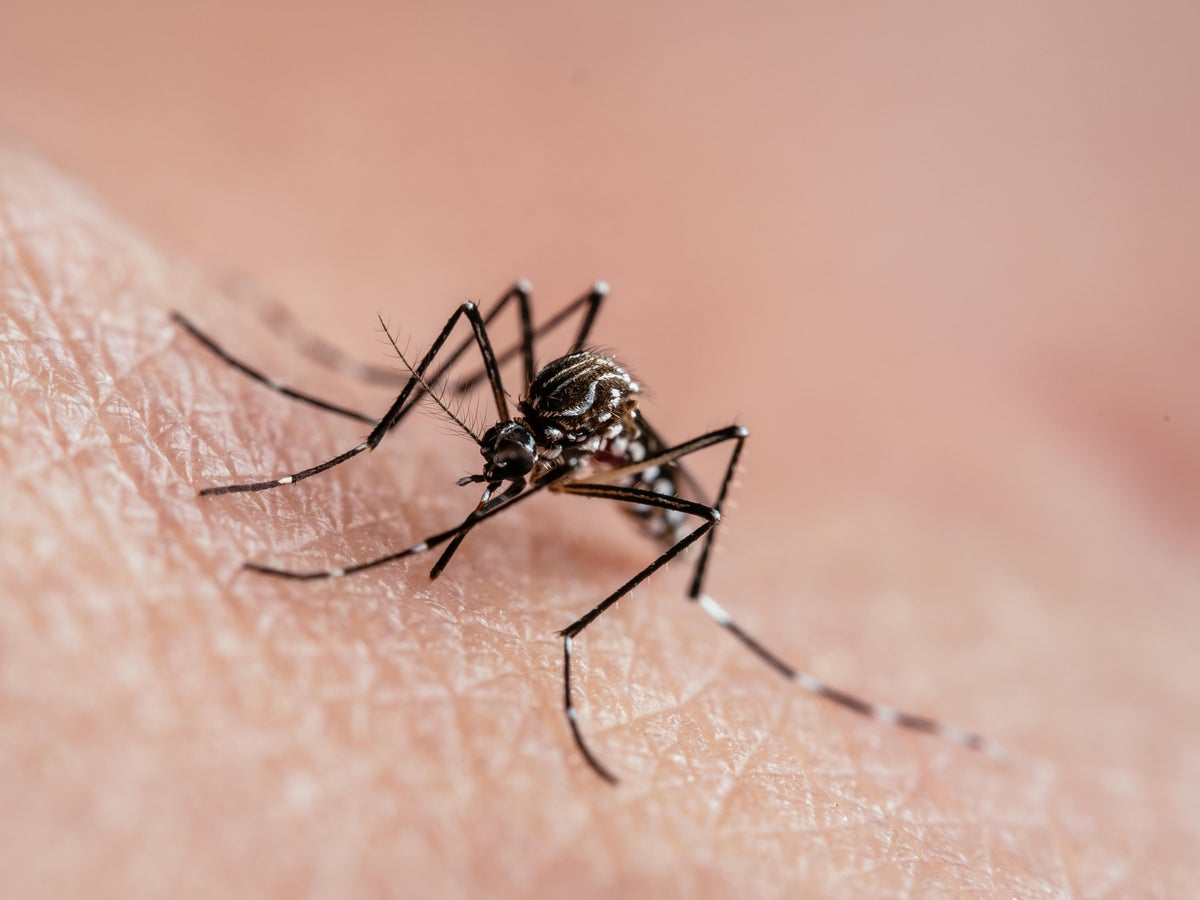
"Mosquitoes are nature's opportunists. They will eat anything from plant nectar to blood from chickens, rats, alligators, frogsand, of course, humans. And now a new study finds that when humans encroach on wild places, these insects may develop a special taste for human blood above all other food sources. Researchers in Brazil analyzed blood samples from mosquitoes collected in nature reserves in the Atlantic Forest, a heavily deforested region of Brazil."
"Several of the collected species showed a clear preference for feeding on humans, said Jeronimo Alencar, a biologist at the Oswaldo Cruz Institute in Brazil and an author of the paper, in a statement. The findings jibe with previous evidence that deforestation brings humans in more contact with creatures that spread deadly diseases. Mosquitoes can transmit Zika, dengue fever, malaria and encephalitis, to name a few illnessesall of which are harmful to human health and can kill."
"The findings were published on Thursday in Frontiers in Ecology and Evolution. According to the researchers, the Atlantic Forest supports about 270 mammalian species, 850 kinds of birds and about 570 reptiles and amphibians. The forest once spanned 1.3 million square kilometers across Brazilan area larger than Texas and California combined. But it has been reduced to less than a third of that size by agricultural and residential development."
Mosquitoes captured in remnants of Brazil's Atlantic Forest predominantly fed on humans rather than other animals. Blood samples from mosquitoes collected in nature reserves showed several species with a clear preference for human blood. Deforestation and human encroachment into the forest increase contact between humans and disease-carrying mosquitoes. Mosquito-borne pathogens such as Zika, dengue, malaria and encephalitis pose serious risks to human health. The Atlantic Forest once spanned about 1.3 million square kilometers but now is reduced to less than a third of that area by agricultural and residential development. The findings appeared in Frontiers in Ecology and Evolution.
Read at www.scientificamerican.com
Unable to calculate read time
Collection
[
|
...
]