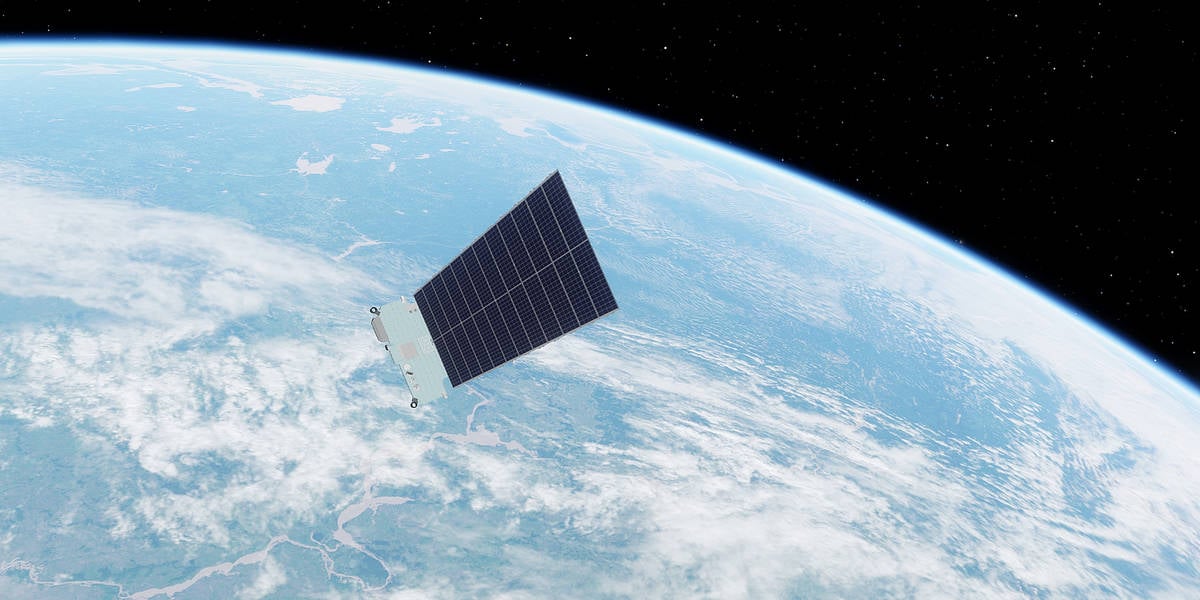
"In an interview with The Register, Tudor Williams, CTO of high-frequency RF communication company Filtronic, explained the problem, which is mainly related to satellite-to-ground transmissions (many large constellations, such as SpaceX's Starlink, use optical links for satellite-to-satellite communication, which don't cause the same issues.) According to Williams, the problem comes from the side lobes of poorly designed antennas, where signals are unintentionally spread. The effect can be bands used for communications overlapping with observation bands, causing headaches for radio astronomers."
"Yes, but the issue, according to Williams, is that until the satellites began launching, the issue had not been fully understood or anticipated from ground testing. "Maybe the regulations weren't as stringent as they should have been at the start," he says, "And as we start to get more data on this, we can obviously have more stringent guard bands and more stringent regulations going forward.""
Satellite-to-ground transmissions from large low-Earth-orbit constellations are generating significant radio interference for radio astronomers. Poorly designed satellite antennas create strong side lobes that unintentionally spread signals beyond intended beams, allowing communications bands to overlap with astronomical observation bands. Regulatory licensing and ground testing did not fully anticipate in-orbit behavior, limiting early protections. Increased data from operational satellites enables standards bodies to define more stringent guard bands and antenna performance requirements. Designers aim to minimize leakage, but implementation errors and insufficient initial regulations have allowed emissions that disrupt sensitive radio observations.
Read at Theregister
Unable to calculate read time
Collection
[
|
...
]