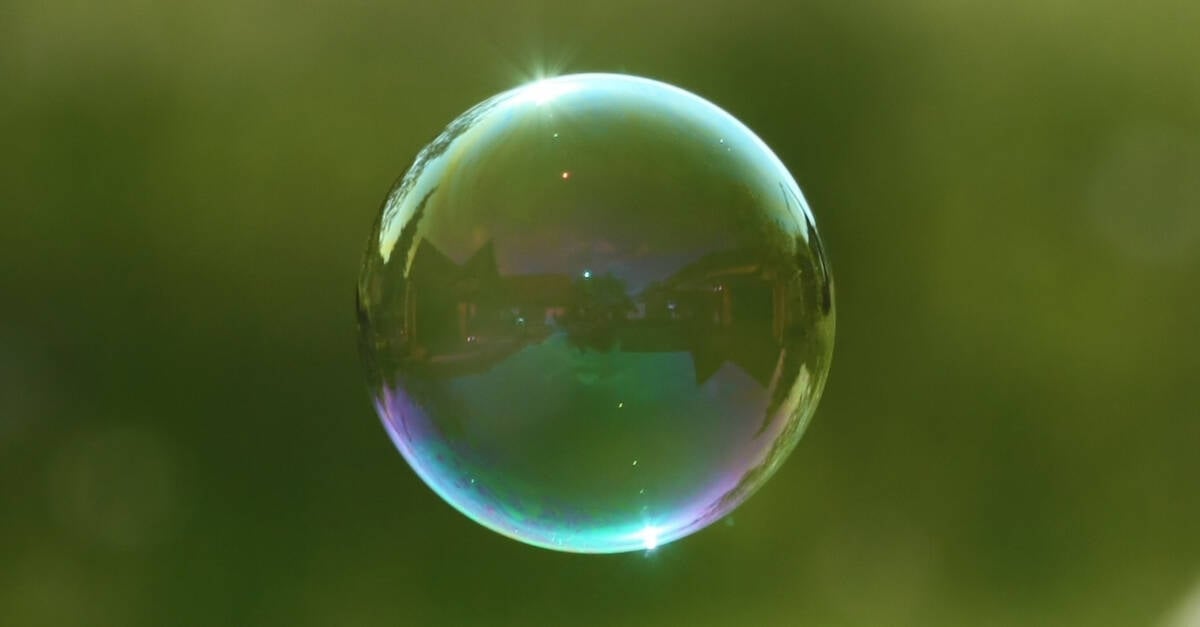
"The feathers of a hummingbird, the wings of a butterfly, and the sparkle of an opal are all examples of nature's ability to produce structural, iridescent colors that typically require lab-grade materials and techniques to replicate. Naming their tech MorphoChrome, the team from MIT's Computer Science and Artificial Intelligence Laboratory (CSAIL) has created a handheld system that uses laser light to paint iridescent programmable structural colors onto commercially available holographic photopolymer film that can then be integrated into both flexible and rigid objects."
"Iridescent, shifting colors found in nature and in man-made objects are the result not of pigments, but physical nanostructures that allow them to reflect certain wavelengths of light depending on the angle from which they're viewed, among other factors. Structural colors tend not to fade over time because there's no pigment involved, giving them a variety of useful applications beyond simply looking cool."
MorphoChrome is a handheld laser system that paints iridescent, programmable structural colors onto commercially available holographic photopolymer film for integration into flexible and rigid objects. Structural color originates from nanoscale physical structures that reflect specific wavelengths depending on viewing angle, producing durable, angle-dependent iridescence without pigments. Traditional fabrication of structural color has required advanced chemical and material complexity and laboratory-grade processes, limiting access. MorphoChrome enables real-time creation of structural color using portable equipment and common film substrates, broadening accessibility and enabling creative fabrication and application beyond natural materials like shells, feathers, or gemstones.
Read at Theregister
Unable to calculate read time
Collection
[
|
...
]