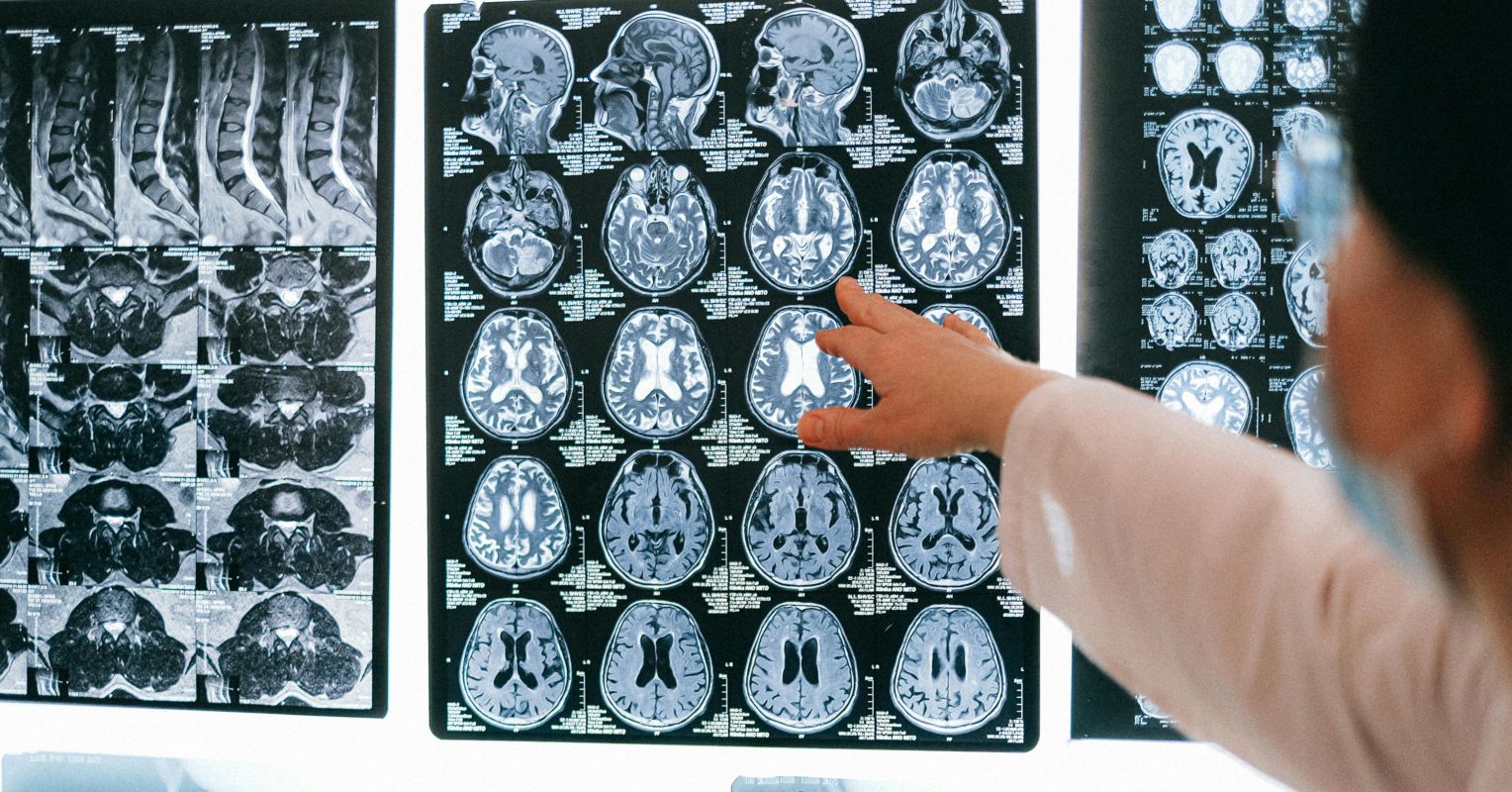
"Around the world, 10.6 percent of people are left-handed. Handedness is a form of so-called functional brain asymmetry: left-right differences in brain function. In left-handers, the right motor cortex is dominant for conducting fine motor tasks like writing, as the left half of the brain controls the right side of the body, and the right side of the brain controls the left side of the body."
"There are also many other functional asymmetries in the human brain. For example, in most (but not all) people, the left half of the brain is dominant for processing language, while the right half of the brain is dominant for processing faces. Since handedness represents a form of functional brain asymmetry, it could be asked whether left-handers also show changes in other forms of brain asymmetries compared to right-handers."
Left-handedness occurs in about 10.6 percent of people and represents a form of functional brain asymmetry. In left-handers, the right motor cortex typically dominates fine motor tasks such as writing, whereas in right-handers the left motor cortex typically dominates. Other functional asymmetries include left-hemisphere language dominance and right-hemisphere face processing. A 2021 neuroimaging experiment scanned 33 right-handers and 58 left-handers during verbal fluency and visual tasks involving faces, bodies, and scenes to map hemispheric specialization. The neuroimaging results showed that left-handers exhibited reduced brain asymmetries compared to right-handers.
Read at Psychology Today
Unable to calculate read time
Collection
[
|
...
]