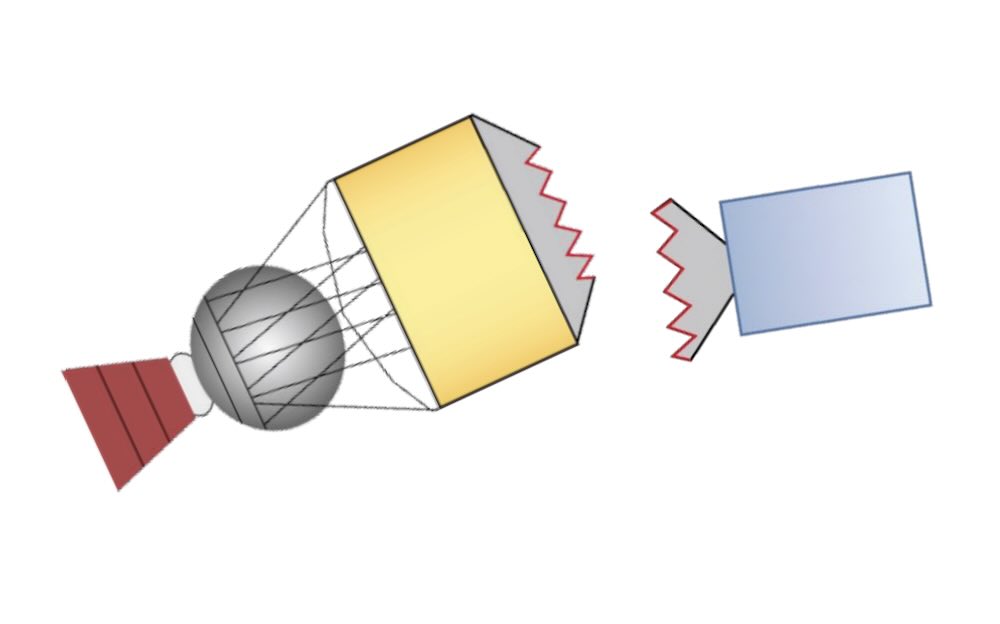
"The eighth H3 rocket lifted off from Tanegashima Island in southern Japan on December 22, local time, carrying a roughly five-ton navigation satellite into space. The rocket was supposed to place the Michibiki 5 satellite into an orbit ranging more than 20,000 miles above the Earth. Everything was going well until the H3 jettisoned its payload fairing, the two-piece clamshell covering the satellite during launch, nearly four minutes into the flight."
"If you're in the space business long enough, you learn there are numerous ways a rocket can fail. I've written my share of stories about misbehaving rockets and the extensive investigations that usuallybut not always-reveal what went wrong. But I never expected to write this story. Maybe this was a failure of my own imagination. I'm used to writing about engine malfunctions, staging issues, guidance glitches, or structural failures. Last April, Ars reported on the bizarre failure of Firefly Aerospace's commercial Alpha rocket."
"Officials from the Japan Aerospace Exploration Agency (JAXA) are starting to get a handle on what happened. Agency officials briefed the government ministry overseeing Japan's space activities last week, and the presentation (in Japanese) was posted on a government website. The presentation is rich in information, with illustrations, a fault tree analysis, and a graph of in-flight measurements from sensors on the H3 rocket. It offers a treasure trove of detail and data most launch providers decline to release publicly after a rocket malfunction."
Rockets can fail in many ways, and Japan's H3 rocket experienced an unexpected new failure mode. The H3's eighth flight launched from Tanegashima on December 22 carrying the five-ton Michibiki 5 navigation satellite intended for an orbit over 20,000 miles. The vehicle jettisoned its two-piece payload fairing nearly four minutes into flight, preventing the satellite from reaching its planned orbit. JAXA briefed the overseeing government ministry and posted a detailed presentation online. The presentation includes illustrations, a fault-tree analysis, and in-flight sensor graphs providing extensive data rarely released after a launch malfunction.
Read at Ars Technica
Unable to calculate read time
Collection
[
|
...
]