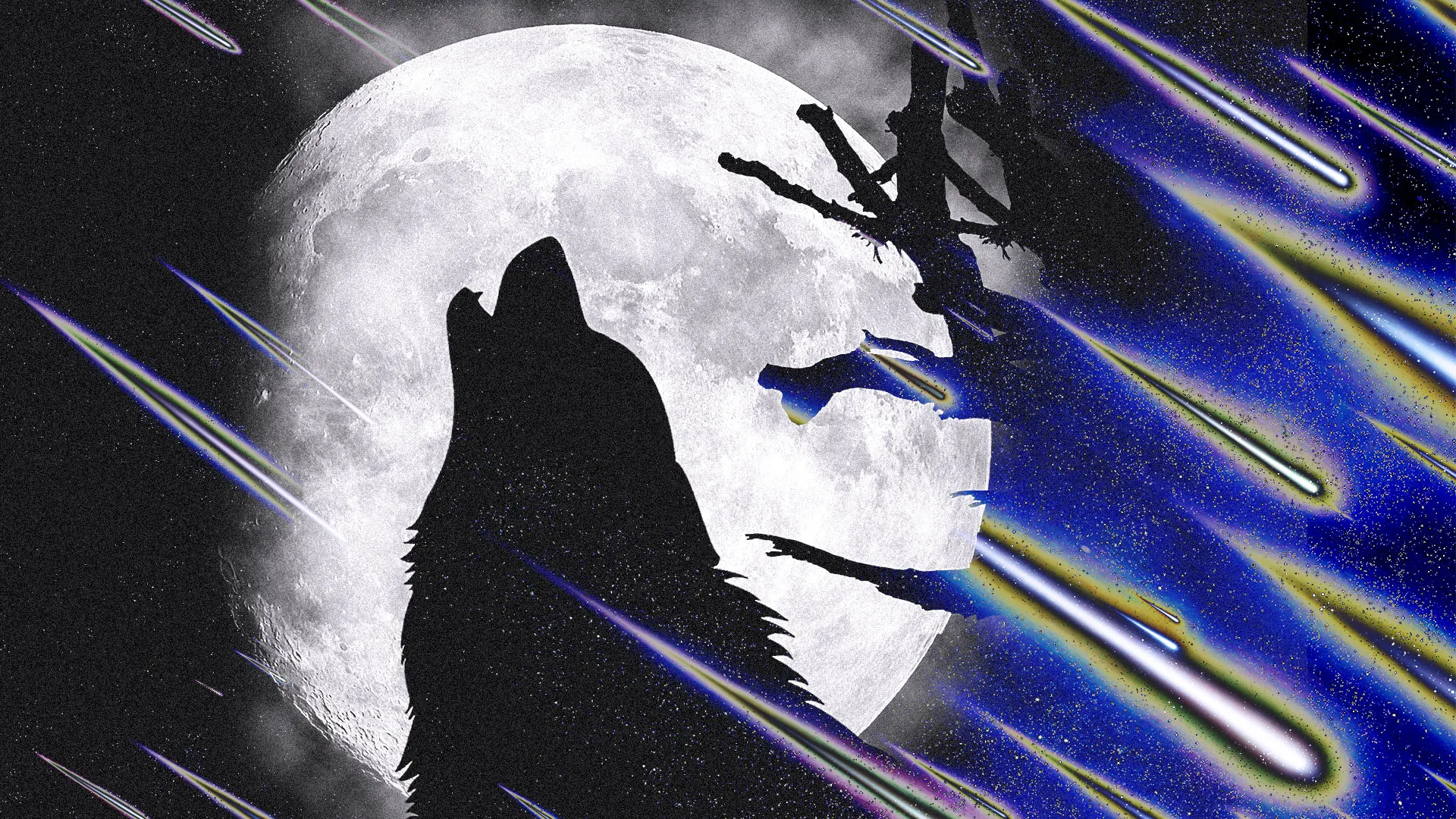
"The January full " wolf moon" is forecast to appear overnight into tomorrow morning Saturday, January 3, peaking at 5:03 a.m. ET when it will be at its fullest, according to EarthSky. However, don't be fooled: It will appear full both nights, due to its close proximity to Earth (making it appear 14% larger), and proximity to Jupiter and Gemini's twin stars-all of which will make it appear even brighter."
"All that light, however, could make it harder to see the Quadrantid meteor shower: bright, short-lived "fireballs" that can streak across the sky at up to 120 per hour, and come from debris left behind by asteroid 2003 EH1. January's supermoon is, technically, the last in a string of four consecutive supermoons that started in late 2025. Simultaneously, it's the first of three supermoons on deck for 2026. The others follow in November and December."
""It will appear particularly large while close to the horizon thanks to a phenomenon called the "moon illusion," a visual effect that makes low-hanging moons seem oversized," according to Space.com. (Also, check out the sunset on Saturday, January 3, for same effect.) This winter's supermoon will be easier and more convenient to see because it will be visible low in the sky once its dark,"
The January full 'wolf moon' peaks at 5:03 a.m. ET on January 3 and will appear full both nights because of its close proximity to Earth, making it about 14% larger. The moon's closeness to Jupiter and Gemini's twin stars will increase its brightness. Moonlight may hinder viewing of the Quadrantid meteor shower, whose bright, short-lived fireballs can reach up to 120 per hour and come from debris left by asteroid 2003 EH1. January's supermoon is the last of four consecutive supermoons beginning in late 2025 and the first of three in 2026, with others in November and December. Look to the eastern horizon at dusk or during moonrise to see the moon illusion make it appear larger.
Read at Fast Company
Unable to calculate read time
Collection
[
|
...
]