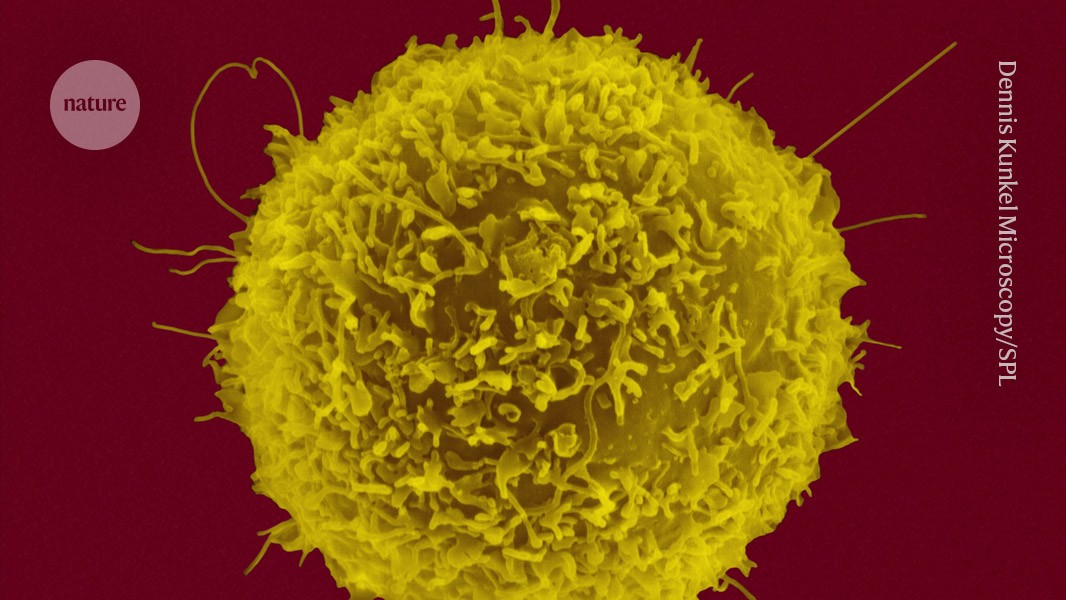
A multi-omic atlas charts immune cells in blood from 428 healthy Chinese adults, analyzing more than 10 million immune cells across genes, proteins, RNA and epigenomic marks. Biomolecular indicators were generated for each individual, including metabolite profiles, blood biochemical markers, chromatin accessibility and cell-type gene-expression differences. Comparison with cohorts of northern European ancestry and the Japanese ImmuNexUT cohort revealed important variation in immune-cell functions and genetic associations across populations. The atlas complements existing datasets and enables discovery of population-specific biological mechanisms and genetic links. Medicines designed from European-centric cell atlases may be less effective in individuals with other ancestries.
"A cellular atlas that characterizes the functions of immune cells in more than 400 Chinese individuals has revealed key differences in the biology of people from different populations."
""By providing a data set that complements other Asian cohorts like the Japanese ImmuNexUT project, we have created a resource that allows for the discovery of biological mechanisms and genetic associations that would likely be missed in European-centric studies," write the authors in a joint statement to Nature."
"The atlas provides biomolecular indicators for each individual, including metabolite profiles, blood biochemical markers, chromatin accessibility data and differences in gene expression across cell populations."
Read at Nature
Unable to calculate read time
Collection
[
|
...
]