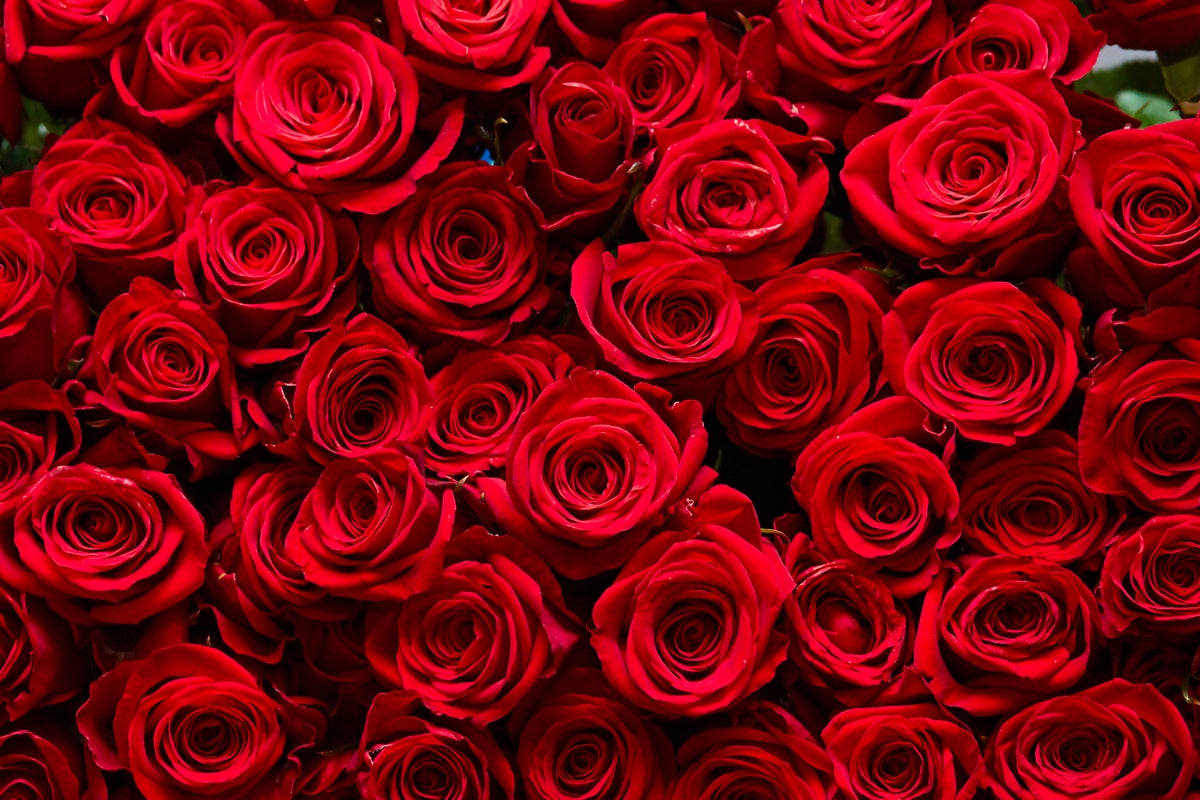
"Roses are the queen of flowers, and they've earned the title: from Romeo and Juliet to Beauty and the Beast and ABC's The Bachelor franchise, roses are the enduring symbol of passion, romance and love. It's estimated that more than 250 million roses are produced for Valentine's Day every year, and florists sell more on that day than on any other holiday. It's also the official flower of the U.S. (thank former president Ronald Reagan)."
"But the rose wasn't always so regal, red and plumpin fact, its origins are much more humble and more ancient than you might think. Roses first emerged some 35 million years ago during the Eocene epoch, which was when early horses and canids first appeared. And the flowers likely looked very different from the bunches we pick out today: one 2025 analysis of roses collected across China found that the ancestors of modern roses were probably yellow, not red."
"Their petals were also rather flat, and there were likely just five of them, explains Peter Kukielski, an expert on roses and author of the book Rosa: The Story of the Rose. Thankfully for roses, aside from their beauty, they also have important medicinal propertiesrose hips are full of vitamin Cand that helped earn the flower a high status among rulers throughout history who brought the rose to prominence, Kukielski says."
Roses symbolize passion, romance and love and serve as cultural icons from literature to television. More than 250 million roses are produced for Valentine's Day annually, making it the highest-selling florist holiday, and the rose is the official U.S. flower. Roses first appeared about 35 million years ago during the Eocene, with ancestral flowers likely yellow, flat-petaled and bearing five petals. Rose hips are rich in vitamin C, contributing to historical medicinal use and elite status. Modern cultivated roses originated in 1867 from European breeding of hybrid perpetual and tea roses, producing the hybrid tea form with a pointed bud on a single stem.
Read at www.scientificamerican.com
Unable to calculate read time
Collection
[
|
...
]