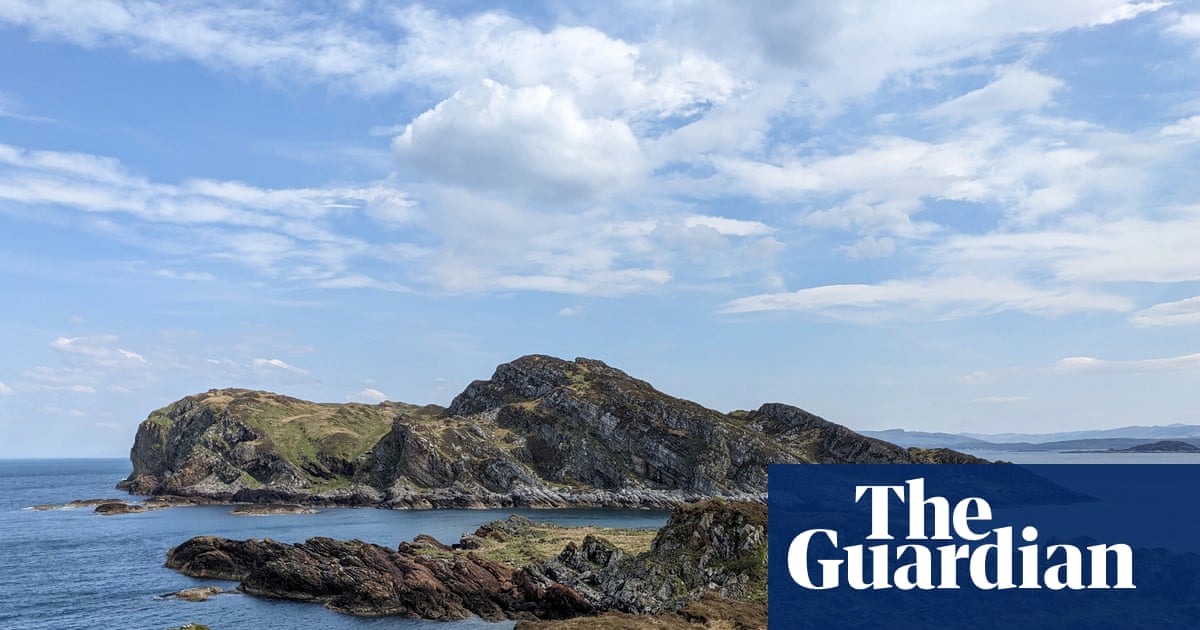
"Recent examination of some ancient rocks from the west coast of Scotland have now overturned that thinking, suggesting there were periods during snowball Earth when the climate woke up. Close-up views of thin, repeating rock layers known as varves, each thought to represent a single year of sedimentation during the snowball Earth period."
"By analysing thousands of these layers, the researchers identified climate cycles operating during Earth's deep-freeze period. Variations in layer thickness revealed climate cycles similar to those that can be seen today, such as solar cycles and El Nino oscillations."
"Their findings suggest such occurrences were rare during snowball Earth and that these particular rocks recorded a slushy interlude lasting a few thousand years, when a small fraction of ocean thawed and the climate briefly woke up. But the findings are more than a mere curiosity. They shed light on how sensitive Earth's climate system really is."
Approximately 700 million years ago, Earth entered a snowball Earth period where the planet was theorized to be completely encased in ice with no seasonal variations. Recent research by Thomas Gernon and Chloe Griffin from the University of Southampton examined 2,600 preserved rock layers from Scotland's Garvellachs islands, revealing year-by-year climate records. Analysis of these varves showed climate cycles similar to modern patterns, including solar cycles and El Niño oscillations. The findings indicate that during snowball Earth, rare warming periods occurred, including a slushy interlude lasting thousands of years when portions of ocean thawed. These discoveries provide insights into Earth's climate sensitivity and how the planet might respond to future major climate disturbances.
Read at www.theguardian.com
Unable to calculate read time
Collection
[
|
...
]