"These decorator crabs live in the tide pools and rocky shores off the California coast. It's a dangerous place for a tasty crab. So the crabs camouflage with what's at hand. This kelp crab has found something to work with. It does a little trimming, cutting a piece to size ... nudges it into place. And it sticks, thanks to rows of natural Velcro on its head."
"This crab is a picky dresser. It nibbles on a piece of algae, trying to figure out, is this good to eat? Or is it covered in noxious chemicals that make it better suited as an outfit? This crab has made it work. And it has the ultimate off-putting accessory, an anemone: outerwear that actually stings. Over time, the anemones and seaweed can grow and spread on the crab's shell."
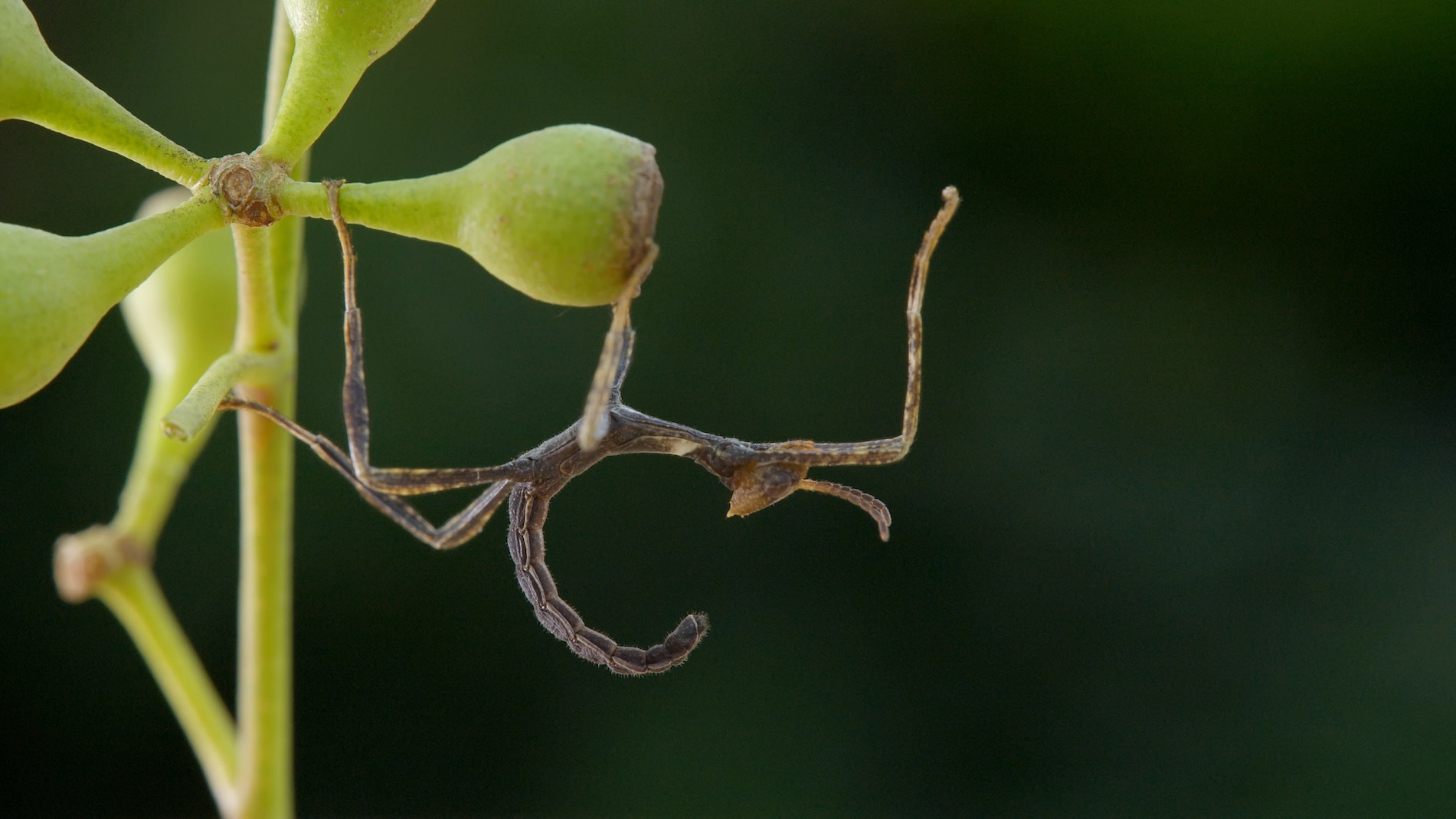
Decorator crabs inhabit tide pools and rocky shores off the California coast and use available seaweed and anemones for camouflage. Crabs trim and wedge materials to cover antennae and vulnerabilities, securing them with hooked hairs that function like natural Velcro. Extreme decorator crabs carry hooks across their bodies and may bear stinging anemones as protective outerwear. Algae and anemones can grow and spread on a crab's shell, increasing weight but enhancing survival. Glasswing butterflies possess see-through wings for concealment. Australian walking stick insects mimic seeds, leaves, and twigs to deceive ants and access nests.
Read at Kqed
Unable to calculate read time
Collection
[
|
...
]