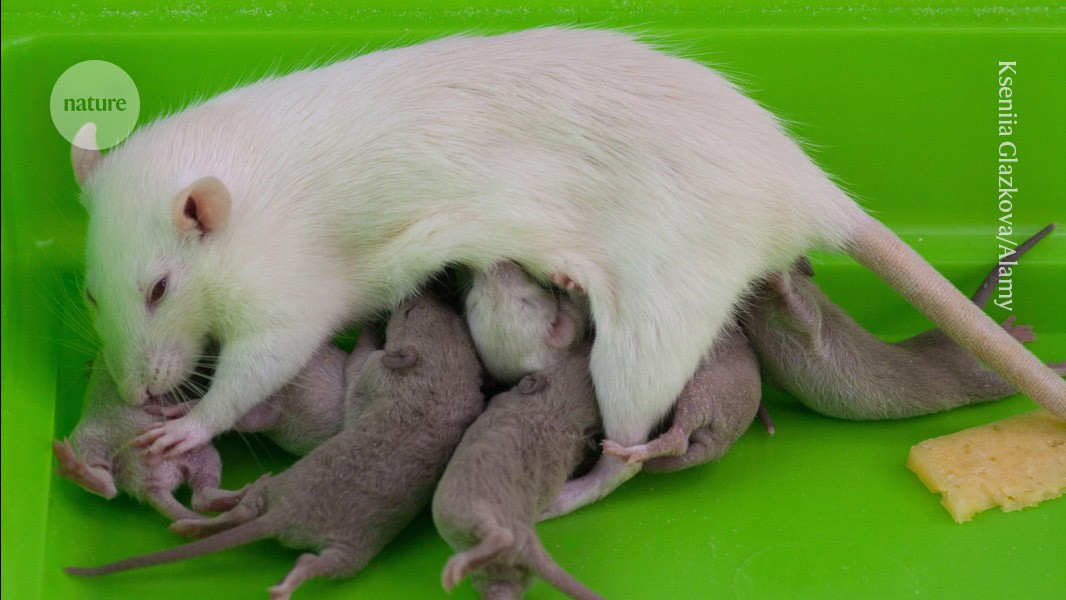
"Exposure to a fungicide induced changes to gene expression in rats that persisted for at least 20 generations. It also increased the chance of offspring developing kidney disease, obesity or experiencing complications when giving birth, according to the longest-running study of 'epigenetic' changes in mammals."
"Evidence is accumulating that environmental exposures, such as to chemicals, can induce heritable changes that do not alter an organism's DNA. These tweaks to the chemical markers on the DNA occur in germ cells, which are then passed on to future generations."
"The researchers found that the rats that had ancestral exposure had higher rates of sperm cell death and an increase in problems giving birth, including maternal and offspring death, compared with the 12th and earlier generations or non-exposed rats."
A 20-generation study of rats exposed to the fungicide vinclozolin demonstrated that environmental chemical exposure induces heritable epigenetic changes without altering DNA sequences. These chemical modifications on DNA occur in germ cells and transmit to subsequent generations. Exposed rats showed increased sperm cell death and elevated rates of birth complications, including maternal and offspring mortality, persisting through at least 20 generations. While epigenetic inheritance has been documented in humans—such as increased diabetes risk in descendants of famine-exposed individuals—the specific mechanisms affecting humans remain unclear. The research underscores the need for stricter environmental regulations regarding air pollution and chemical releases.
#epigenetic-inheritance #environmental-toxins #transgenerational-effects #fungicide-exposure #gene-expression
Read at Nature
Unable to calculate read time
Collection
[
|
...
]