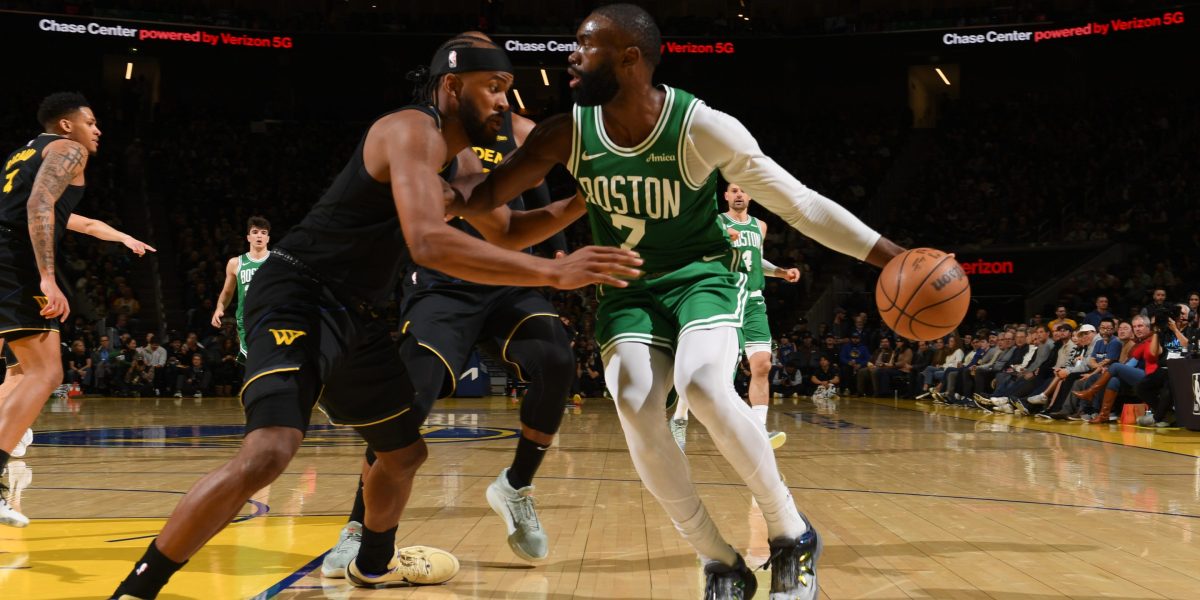
A Harvard materials scientist investigated the source of squeaking sounds produced by basketball shoes during games. Through experimentation involving sneakers sliding against glass plates, high-speed cameras, and microphone recordings, researchers discovered that squeaks occur when shoe soles create rapid ripples as they momentarily lose and regain grip contact with the floor. These ripples repeat at frequencies matching the pitch of the audible squeak. The grip patterns on shoe soles organize these bursts into clear, high-pitched sounds, whereas flat rubber produced only disorganized ripples without squeaking. This study, published in Nature, examined friction at faster speeds than previous research and established the connection between rapid pulses and the resulting squeaking noise.
"That squeaking is basically your shoe rippling, or creating wrinkles that travel super fast. They repeat at a high frequency, and this is why you get that squeaky noise. As the shoe works hard to keep its grip, tiny sections of the sole change shape as they momentarily lose then regain contact with the floor thousands of times per second - at a frequency that matches the pitch of the loud squeak we hear."
"The grip patterns on the soles may also play a role. When researchers slid blocks of flat, featureless rubber against the glass, they saw a series of chaotic, disorganized ripples but didn't hear squeaks. The ridge-like designs on the bottom of your shoes may organize the bursts to produce a clear, high-pitched sound."
Read at Fortune
Unable to calculate read time
Collection
[
|
...
]