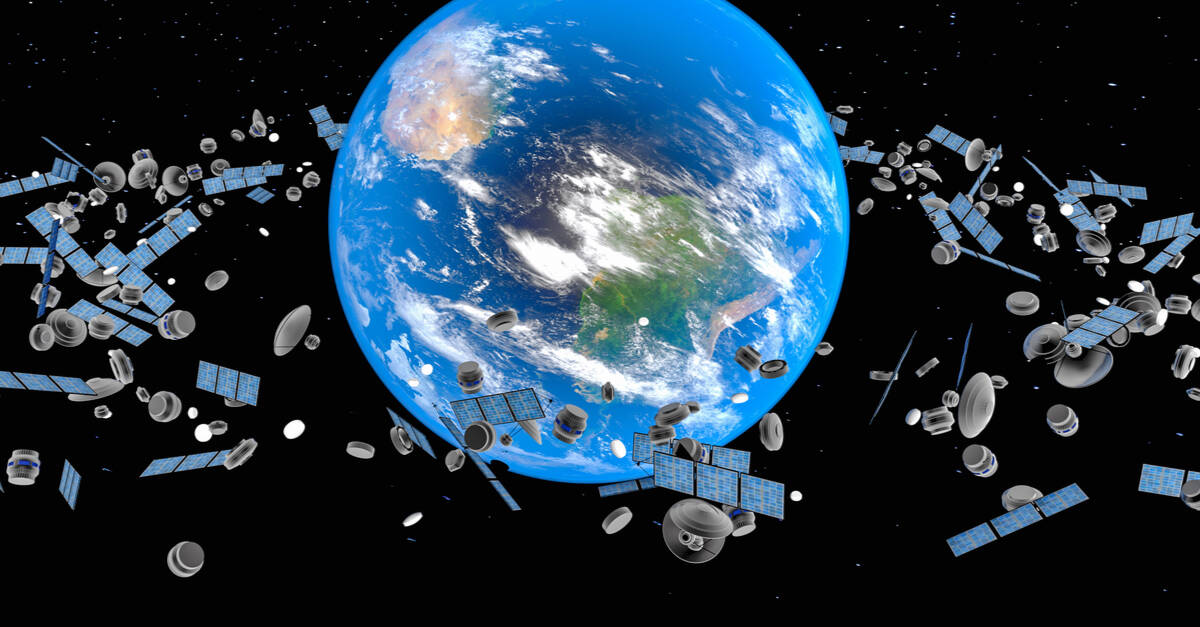
"SpaceX applied for permission to launch as many as one million satellites for its proposed orbital datacenter constellation on January 30, and the FCC's Space Bureau has already accepted [PDF] the application for filing just five days later, though perhaps just so it can collect enough public comments to shoot the ridiculous idea down before it gets beyond the Muskian brainstorm stage (we inquired, but didn't hear back)."
"According to Harvard astrophysicist and space object cataloger Jonathan McDowell, there are a paltry 14,518 active payloads in Earth orbit as of the end of January, 9,555 of them belonging to Starlink. Earth's orbit is already crowded with fewer than 15,000 active satellites circling the planet, and tens of thousands more tracked objects when defunct spacecraft and debris are included, while large satellite constellations are increasingly interfering with astronomical observations from the ground and from space."
""One million satellites are going to be a big challenge for astronomy, especially as they are in higher orbits which is worse for us," McDowell told The Register by email when asked about Musk's orbital datacenter plan. SpaceX's application [PDF] to the FCC calls for its datacenter constellation to be in multiple orbital shells in altitudes between 500 km (310 miles) and 2,000 km (1,242 miles)."
SpaceX applied on January 30 for authority to launch up to one million satellites for an orbital datacenter constellation. The FCC's Space Bureau accepted the application for filing five days later and opened it for public comment. The proposed constellation would occupy multiple orbital shells between 500 km and 2,000 km altitude. Harvard astrophysicist Jonathan McDowell reported 14,518 active payloads in Earth orbit at the end of January, including 9,555 Starlink satellites. Earth orbit already contains tens of thousands of tracked objects including debris and defunct spacecraft. A near 6,800 percent increase in active satellites would substantially raise collision and debris risks and further interfere with astronomical observations.
Read at Theregister
Unable to calculate read time
Collection
[
|
...
]