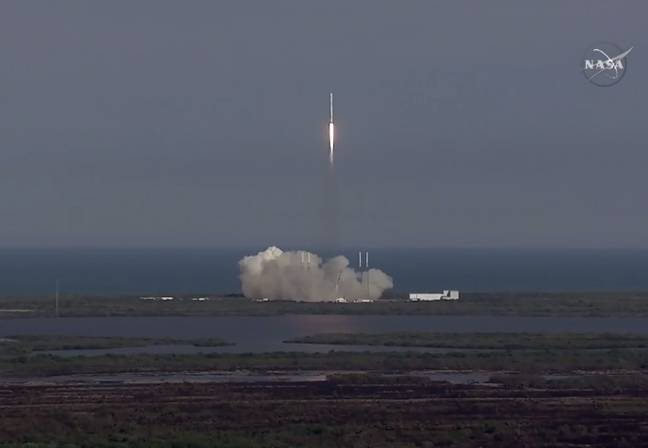
"The measurements stem from a SpaceX Falcon 9 upper stage that sprung an oxygen leak about a year ago, sending it into an uncontrolled re-entry. Then it broke up and rained debris down on Poland. The rocket not only littered farm fields, but also injected lithium into the Mesosphere and Lower Thermosphere (MLT), where ground-based sensors detected a tenfold increase at an altitude of 96 km about 20 hours after the rocket re-entered the atmosphere, according to the paper."
"Lithium was selected for the study because of its considerable presence in spacecraft, both in lithium-ion batteries and lithium-aluminum alloy used in the construction of spacecraft. A single Falcon 9 upper stage, like the one that broke up over Poland and released the lithium plume, is estimated to contain 30 kg of lithium just in the alloy used in tank walls. By contrast, around 80 grams of lithium enter the atmosphere per day from cosmic dust particles, the researchers noted."
"This finding supports growing concerns that space traffic may pollute the upper atmosphere in ways not yet fully understood, the paper notes, adding that the continued re-entry of spacecraft and satellites is of particular concern given how the composition of spacecraft is different from natural meteoroids. Satellites and rocket stages introduce engineered materials such as aluminium alloys, composite structures,"
Ground-based lidar detected a large lithium plume in the Mesosphere and Lower Thermosphere following an uncontrolled re-entry of a SpaceX Falcon 9 upper stage after an oxygen leak. Sensors recorded a tenfold increase in lithium at about 96 km roughly 20 hours after the re-entry. A Falcon 9 upper stage can contain roughly 30 kg of lithium in aluminium alloys, while natural cosmic dust contributes about 80 grams per day. Spacecraft materials differ from meteoroids and include engineered aluminium alloys and composite structures, raising concern that increasing space traffic could increasingly pollute the upper atmosphere.
Read at Theregister
Unable to calculate read time
Collection
[
|
...
]