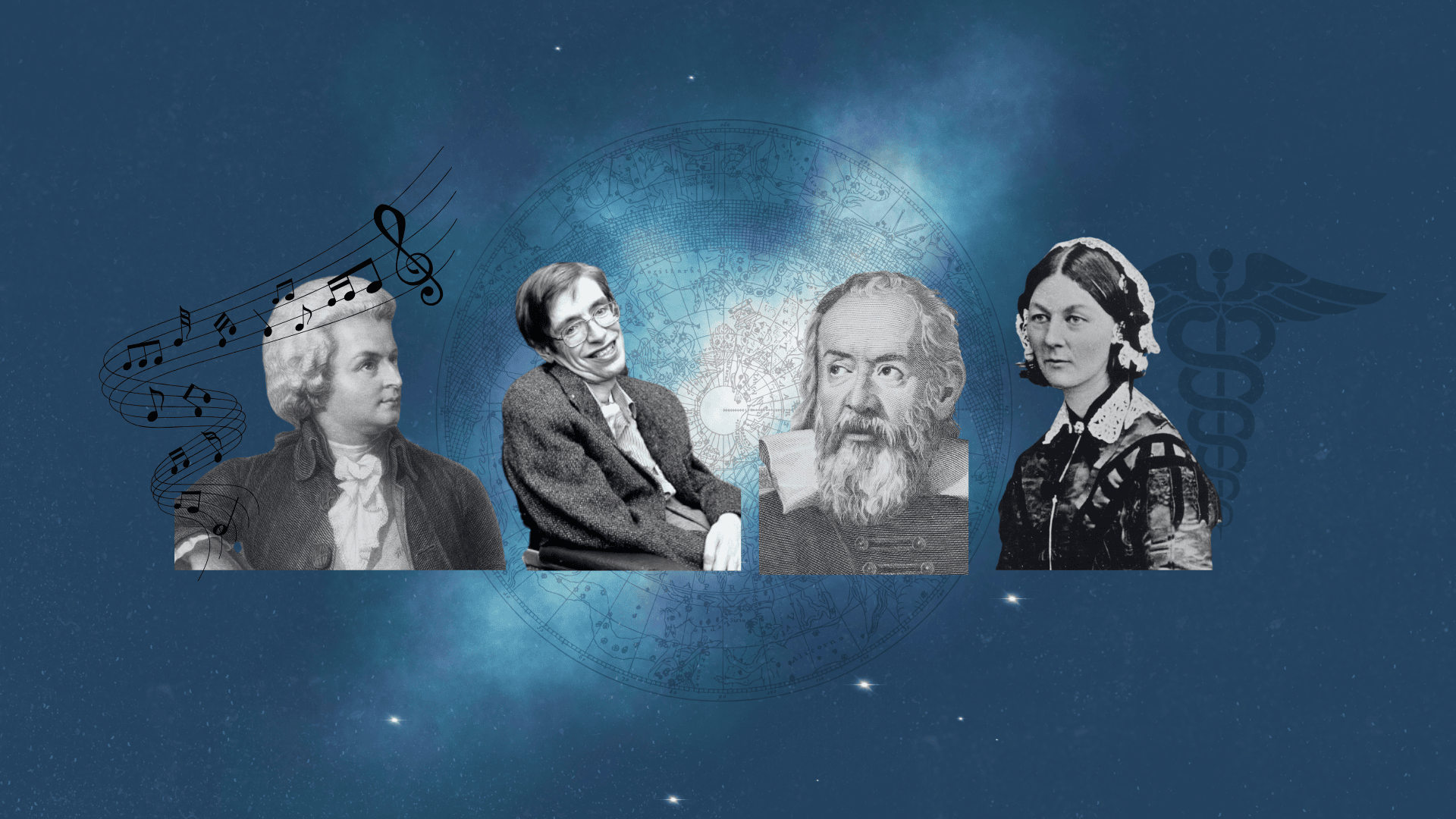
"To be a genius requires extraordinary intellect and talent, but also hard work and persistence. And although the mythology of genius can be problematic because it reduces the collective work that goes into developing scientific breakthroughs to extraordinary individual accomplishments, portrayals of genius in film and literature succeed in dazzling popular audiences."
"The film documents the quest to take a picture of a black hole, something that had never been done before. In order to achieve this, across the globe groups of physicists worked with computer scientists and others to attempt to image the unknown and - until then - invisible. Featured prominently is physicist Stephen Hawking, and though he may be the most well-known scientist at the time, it is clear that science is not about a lone genius but rather about collaboration among scientists both junior and senior, and of all genders, nationalities, and ages."
Genius requires extraordinary intellect and talent alongside hard work and persistence. The mythology of genius can be problematic because it minimizes the collective labor behind scientific breakthroughs. Portrayals of genius in film and literature often dazzle popular audiences. The Edge of All We Know documents the global effort to take a picture of a black hole, involving physicists, computer scientists, observatories, satellites, and many contributors. Stephen Hawking appears prominently, yet the project demonstrates that science depends on collaboration among junior and senior researchers of varied genders and nationalities. The film celebrates the thrill of discovery and new ways of thinking.
Read at Harvard Gazette
Unable to calculate read time
Collection
[
|
...
]