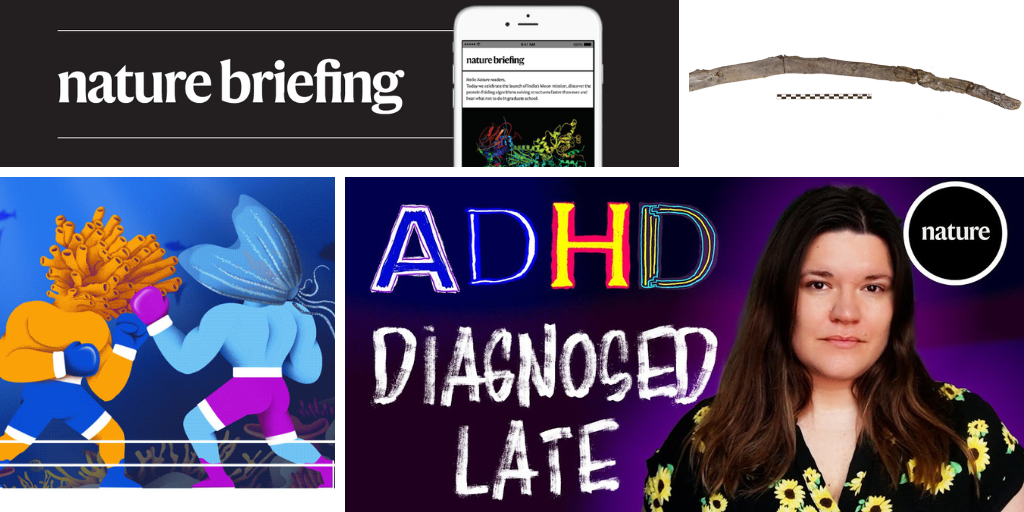
"Wooden objects carrying the marks of carving and use could be the oldest wooden tools ever found. Researchers dated the artefacts, found in what is now Greece, to 430,000 years ago - and suggest they might have been made by early Neanderthals or their ancestors, Homo heidelbergensis. A separate study describes 480,000-old flint-knapping tools made from antler and elephant bone, from what is now the United Kingdom."
"Organic artefacts are a rare find because they're less likely to endure than stone, and show how "bone and wood were probably more valuable for our ancient ancestors," says archaeologist Thomas Terberger. "Imagine how many tools you can make from a single large bone of an elephant.""
"The World Health Organization has announced that the United Kingdom has lost its measles elimination status after a surge in cases in 2024 and sustained transmission in 2025. The country's status has yoyoed since it was first declared to be measles free in 2017 - it lost the certification in 2019 but regained it in 2021. The latest lapse also reflects a drop in vaccination rates below the 95% threshold required to achieve herd immunity. "It's extremely concerning that in the UK we now have pockets of low or no vaccine uptake," says infectious-disease researcher Bharat Pankhania. "We urgently need to remedy this situation.""
Researchers remain divided over whether sponges or jellies represent the earliest animal lineage. Wooden artefacts from present-day Greece have been dated to about 430,000 years and may constitute the oldest wooden tools, potentially made by early Neanderthals or Homo heidelbergensis. A separate study reports 480,000-year-old flint-knapping tools made from antler and elephant bone in what is now the United Kingdom. Organic artefacts are rare because they preserve less well than stone and indicate high value of bone and wood for ancient toolkits. The World Health Organization revoked the United Kingdom's measles elimination status after surges in 2024 and sustained transmission in 2025 linked to vaccination coverage dropping below 95%. CERN secured substantial private donations toward its next collider project.
Read at Nature
Unable to calculate read time
Collection
[
|
...
]